Alfie Hewett Denies Tokito Oda Calendar Grand Slam in US Open Final
Alfie Hewett arrived at Flushing Meadows with scars. A brutal defeat at Wimbledon. A season owned by Tokito Oda. A calendar Grand Slam on the line for the Japanese prodigy.
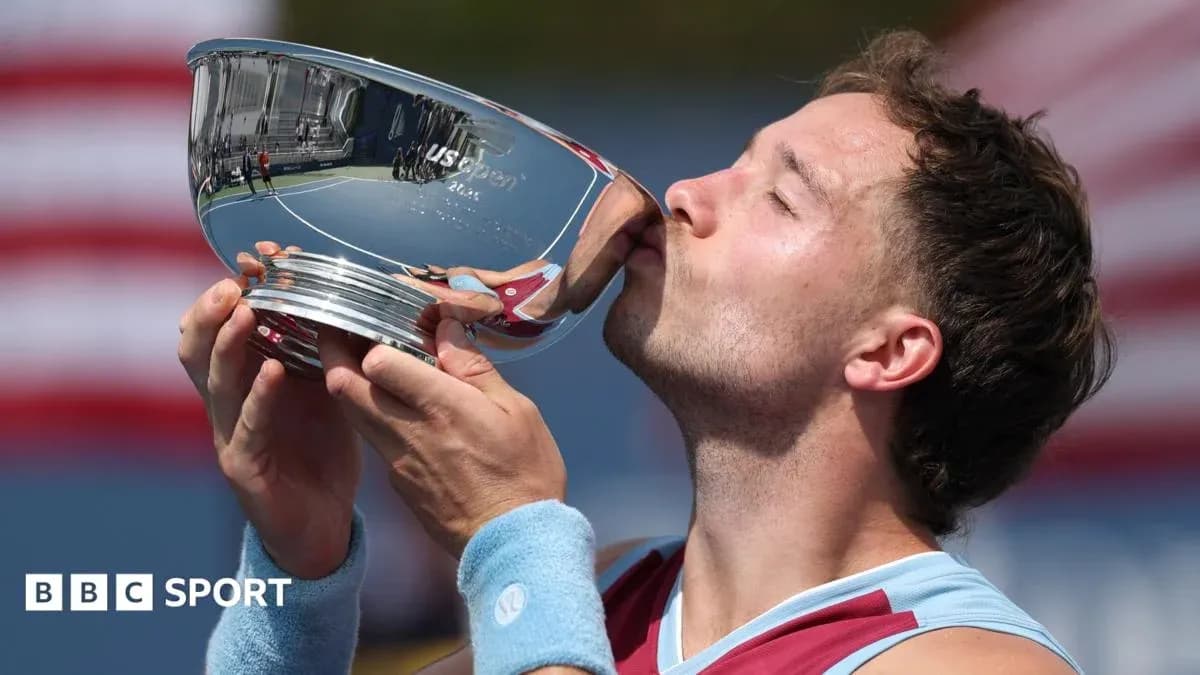
He left with something far heavier than revenge: a fifth US Open men’s wheelchair singles title and one of the most defiant performances of his career.
On a hot New York afternoon, Hewett tore into the world number one, dismantling Oda 6-0 7-6 (7-5) to stop the 20-year-old completing a clean sweep of all four majors in 2026. The victory came barely 24 hours after he had lifted the doubles trophy with Gordon Reid. This time, though, it was personal.
From “a shell of myself” to possessed
The backdrop made this final crackle. Oda had beaten Hewett in the French Open final. He had humiliated him on the lawns of Wimbledon, dropping just two games in a 6-1 6-1 demolition. He had started the year by winning the Australian Open. Six straight Grand Slam singles titles. An aura to match the numbers.
Hewett, 28, didn’t hide from that Wimbledon humiliation. He told BBC Sport it forced him into a harsh self-audit, a moment where he had to “look in the mirror” and rediscover the version of himself that had already won 10 Grand Slam singles titles.
“I’m known for being just as fearless, brave and courageous in big moments and I felt I was everything but that in Wimbledon,” he said. “I was quiet, I was timid, I was a shell of myself.”
Those six weeks between SW19 and New York became his fuel. He spoke of “champing at the bit” to prove he could be himself again. In the first set of this final, he was more than that.
He was ruthless.
After saving a break point in the opening game, Hewett flipped the switch. He described what followed as “possessed”, and it looked exactly that. He attacked returns, dominated rallies, and refused Oda a foothold. Every short ball was punished, every half-chance seized. The set raced by in a blur: 6-0, sealed with a blistering backhand return winner that felt like a statement as much as a shot.
The man who had been timid at Wimbledon was gone. In his place stood the old Hewett – sharp, vocal, snarling into the contest.
Oda fights back, Hewett refuses to yield
Oda, though, is not world number one by accident. The second set turned into the kind of test that has broken many players under his pressure.
The Japanese star regrouped, tightened his game and began to dictate with the authority that had carried him to those six straight majors. He surged into a double-break lead. Suddenly, Hewett was chasing shadows, the scoreline tilting back towards the familiar pattern of their recent meetings.
The pressure built. Oda created three set points, within touching distance of levelling the match and dragging it into a decider where his fitness and form might have taken over.
Hewett refused to let it reach that point.
Point by point, he clawed his way back. The rallies lengthened, the chair work grew more intense, the noise from the stands rose with every hold and every break back. Hewett began to strike through his groundstrokes again, stepping in on returns, daring Oda to find the lines under fire.
The set reached a tie-break and the tension snapped into something raw. Hewett, who had spent much of the season on the wrong side of this rivalry, played it on his terms. Brave, aggressive, unflinching. At 6-5, he earned a first championship point. He took it.
A forehand, a roar, a clenched fist. The calendar Grand Slam dream was over. Hewett’s resurgence was complete.
Respect between rivals
For Oda, the defeat cut deep. This was his final step towards a perfect year, a chance to etch his name into the sport’s history books with a calendar-year Grand Slam.
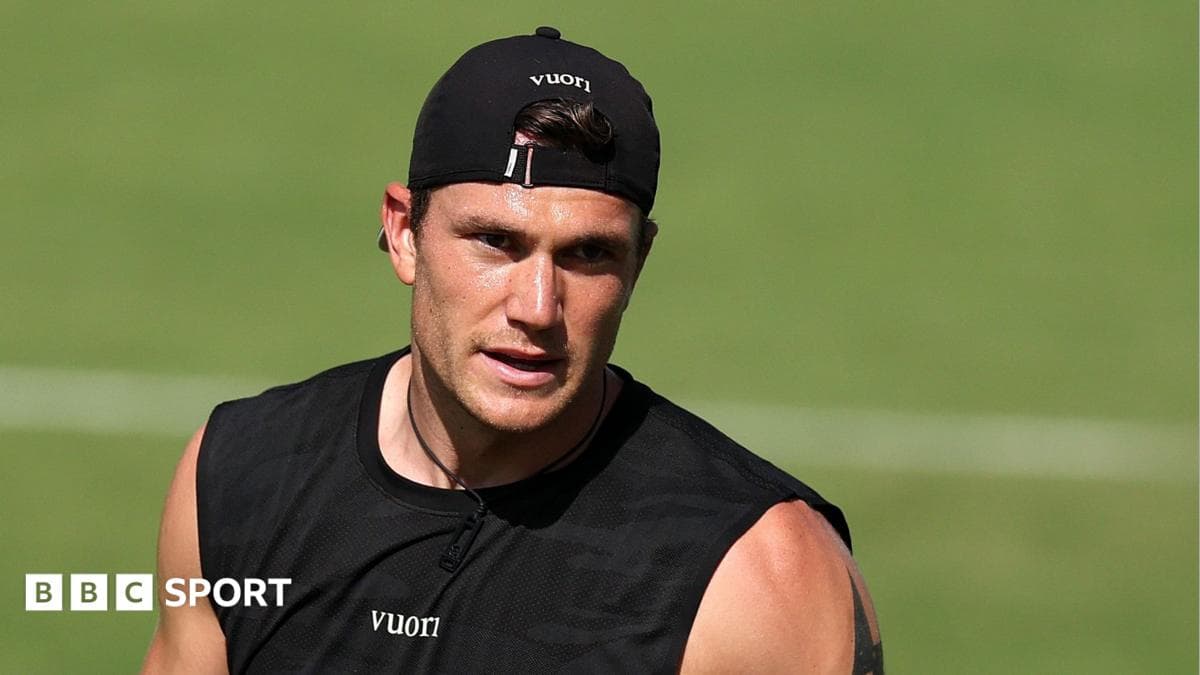
“Definitely I was trying to get the calendar year [Grand Slam] this year,” he said on court. “This was the last part of it so it’s really tough for me, but I think Alfie deserved it today.”
There was no bitterness, only a nod to the man who had denied him. The respect between the two is real, built on repeated battles at the sport’s highest level.
For Hewett, this title lands differently. It is not just his fifth US Open crown, not just another line on an already glittering CV. It is proof that, even with a new dominant force in the game, he still has the tools – and the mentality – to rip momentum away from the man everyone else has been chasing.
He wanted to “be a little bit more like me” again. In New York, under the weight of Oda’s streak and his own recent scars, he found that version of himself when it mattered most.
The question now is simple: is this a one-off interruption of Oda’s era, or the start of a fresh chapter in a rivalry that could define wheelchair tennis for years to come?