Alfie Hewett Stops Tokito Oda’s Grand Slam Dream
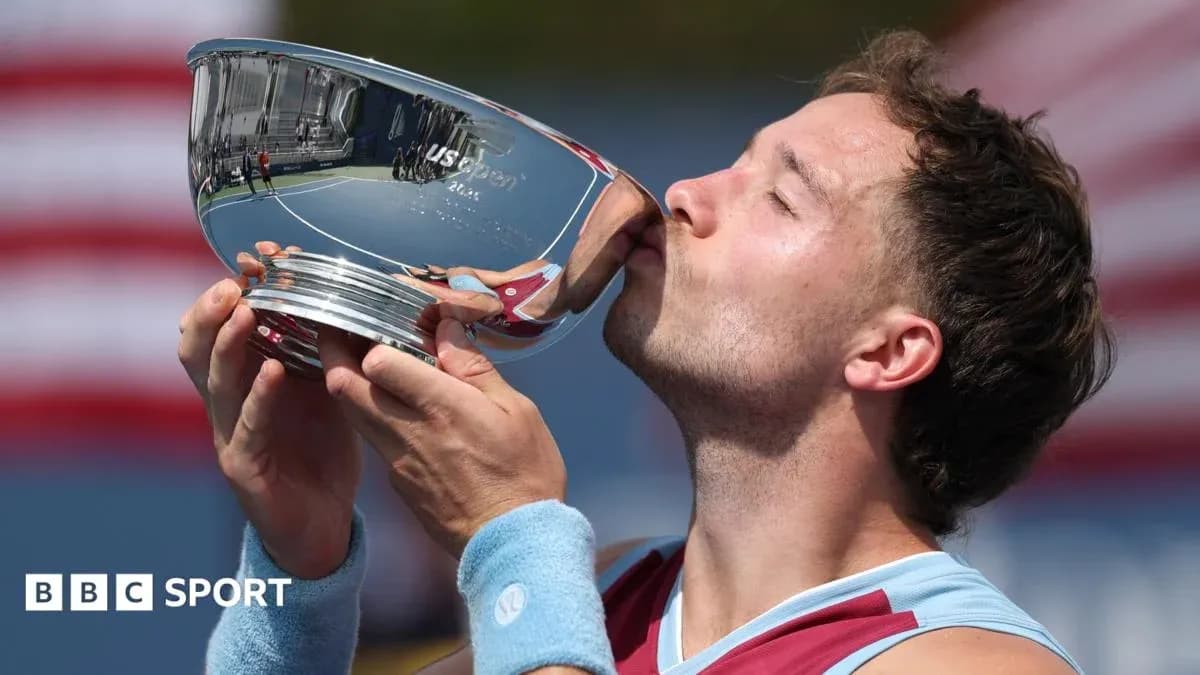
Alfie Hewett arrived in New York with a point to prove. He left it with a fifth US Open men’s wheelchair singles crown, an 11th Grand Slam singles title and the satisfaction of stopping one of the sport’s most relentless streaks in its tracks.
The Briton dismantled top seed Tokito Oda 6-0 7-6 (7-5), not only reclaiming a title he knows better than anyone, but halting the Japanese star’s bid for a calendar Grand Slam in 2026.
It felt like more than a win. It felt like a response.
From SW19 scars to New York steel
The backdrop to this final mattered. Hewett, 28, had been outplayed by Oda in two major finals already this year, losing at Roland Garros and then suffering a bruising 6-1 6-1 defeat at Wimbledon, where he managed just two games.
That loss cut deep. He spoke openly about “looking in the mirror”, about a period of reflection that forced him to reconnect with the player he believes he truly is. The one who is “fearless, brave and courageous in big moments” – qualities he admitted went missing on Centre Court.
In his own words, he had been “quiet”, “timid”, “a shell” of himself. For six weeks, he said, he had been “champing at the bit” to prove to himself that version was not the new reality.
New York, with its noise and its edge, gave him the perfect stage to answer those doubts.
A first set played like a man “possessed”
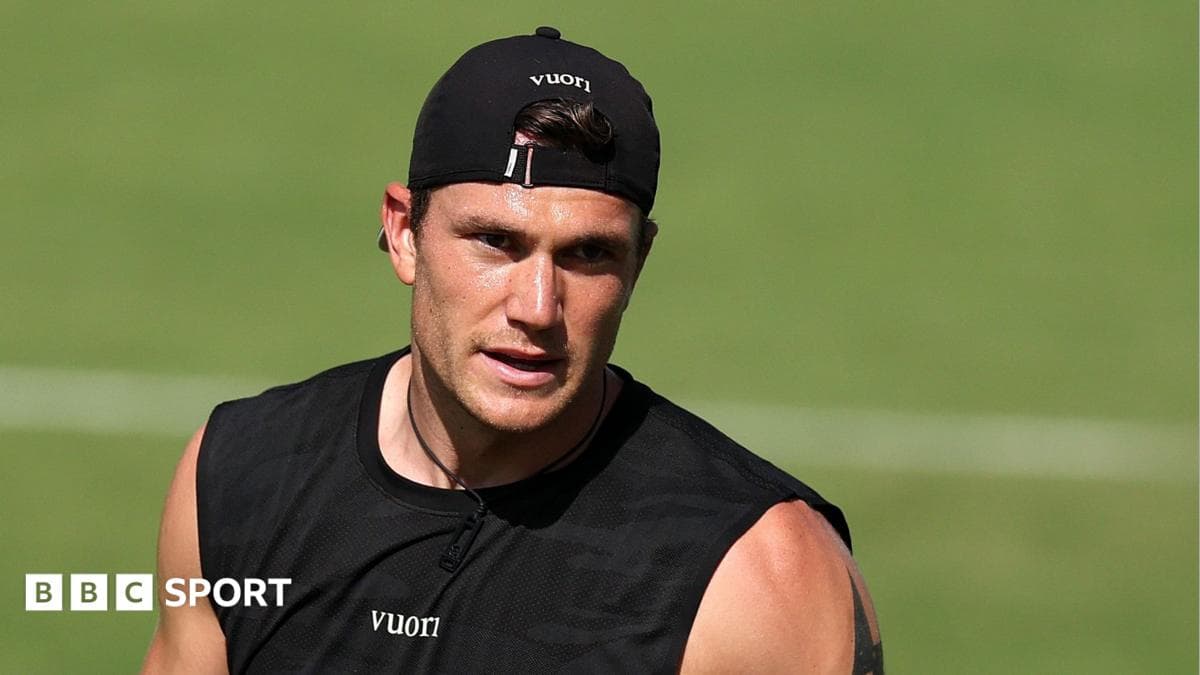
Oda stepped onto court chasing history. He had won the last six Grand Slam singles titles, sweeping the Australian Open, French Open and Wimbledon this year and arriving in Queens one match away from a clean sweep.
Hewett tore into that narrative from the very first game.
After saving a break point in the opener, he flipped the pressure straight back on Oda and never let it go. The Briton described his level in that first set as “possessed”, and it showed: relentless depth, aggressive returning, and a tempo that refused to drop.
Games flew by. Oda, usually so composed, found no foothold. Hewett’s backhand – often the barometer of his confidence – was vicious, and it was a stunning backhand return winner that sealed the bagel, 6-0, to send a jolt through the stadium and, perhaps, through Oda’s Grand Slam dream.
This was not the hesitant figure from Wimbledon. This was the version Hewett had been hunting for.
A brutal second set, and a champion’s escape
The second set told a different story. Oda, too good and too proud to fade quietly, began to hit back. His serve found its spots, his groundstrokes bit through the court, and suddenly Hewett was the one scrambling.
The Japanese star surged into a double-break lead. The momentum that had been one-way traffic in the first set now swung violently in his favour. Hewett, though, refused to let the match drift into a decider without a fight.
He clawed one break back, then another. Each hold, each return game, carried the weight of the year’s rivalry. Oda earned three set points to level the contest, three chances to reset the match and reignite his Grand Slam chase.
Hewett saved them all.
The set edged into a tie-break, the tension thick. One mis-hit, one nervy swing could have flipped the story. Instead, Hewett held his nerve, stayed aggressive and closed it out 7-5 in the breaker to complete a comeback within a comeback.
From 0-6, double-break down to straight-sets champion. From Wimbledon doubts to US Open defiance.
Oda’s dream denied, Hewett’s identity restored
For Oda, this was a harsh ending to a remarkable run. “Definitely I was trying to get the calendar year [Grand Slam] this year,” he said on court, the disappointment clear. “This was the last part of it so it’s really tough for me, but I think Alfie deserved it today.”
He was right. On this day, Hewett earned it – with a performance built as much on mentality as on shot-making.
The title also completes a superb week in New York for the Briton, who added the singles trophy to the doubles title he won on Friday alongside long-time partner Gordon Reid. Another US Open double. Another reminder that, even in an era shaped by Oda’s rise, Hewett remains a force at the very top of the game.
He had come to Flushing Meadows searching for the version of himself he feared might be slipping away. He leaves with two trophies, a broken streak in his wake, and the sense that the rivalry with Oda – and the battle for the sport’s future – has only just started to heat up.