Anthony Edwards Shapes Timberwolves' New Era
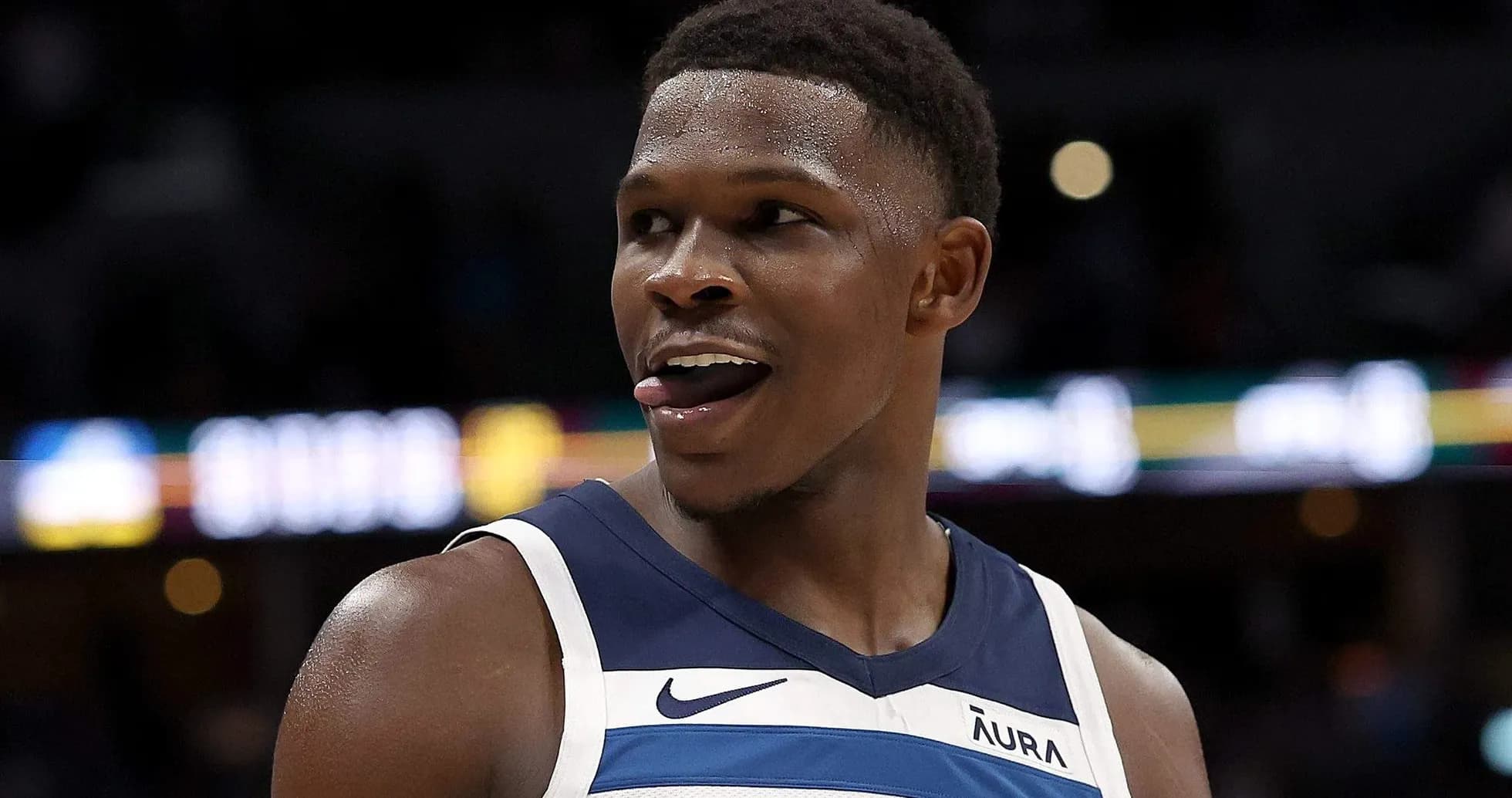
Anthony Edwards didn’t just sign off on the Minnesota Timberwolves’ offseason. He helped shape it — and he loves what he sees.
The franchise star is said to be “very pleased” with the Wolves’ aggressive summer, a window in which Minnesota ripped up its old blueprint and handed Edwards the keys to a sleeker, guard-driven machine.
A New Backcourt Era in Minnesota
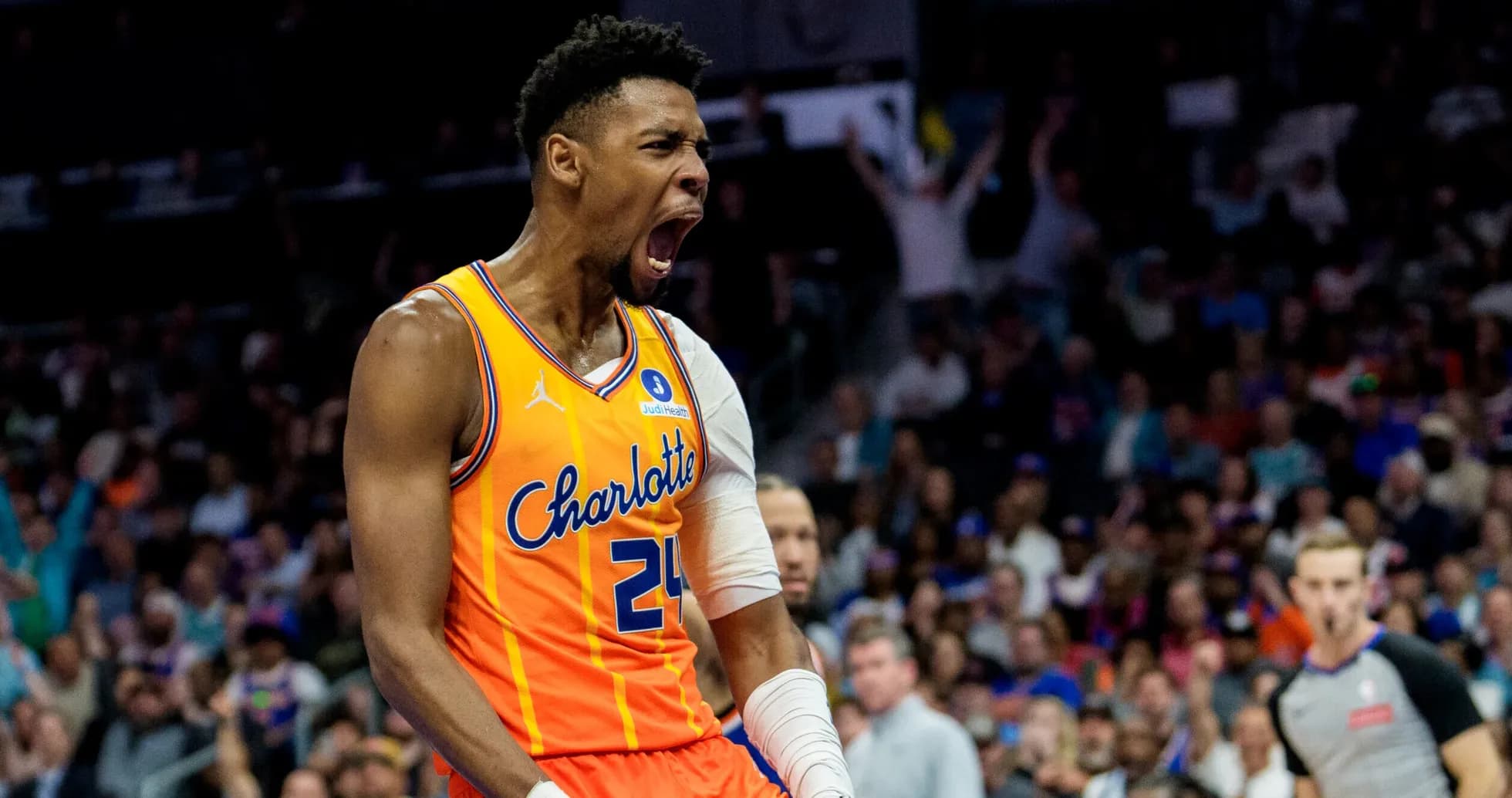
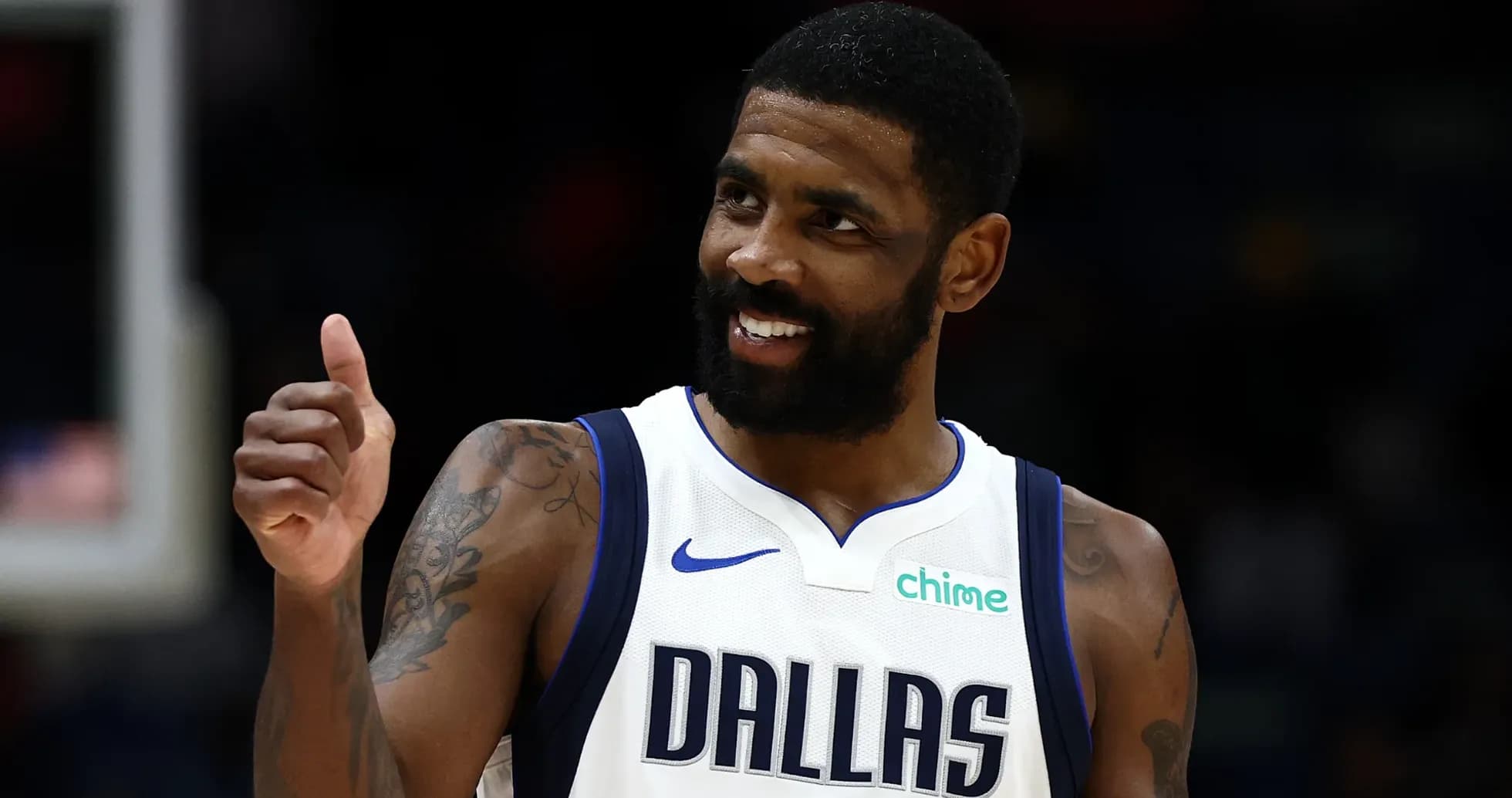
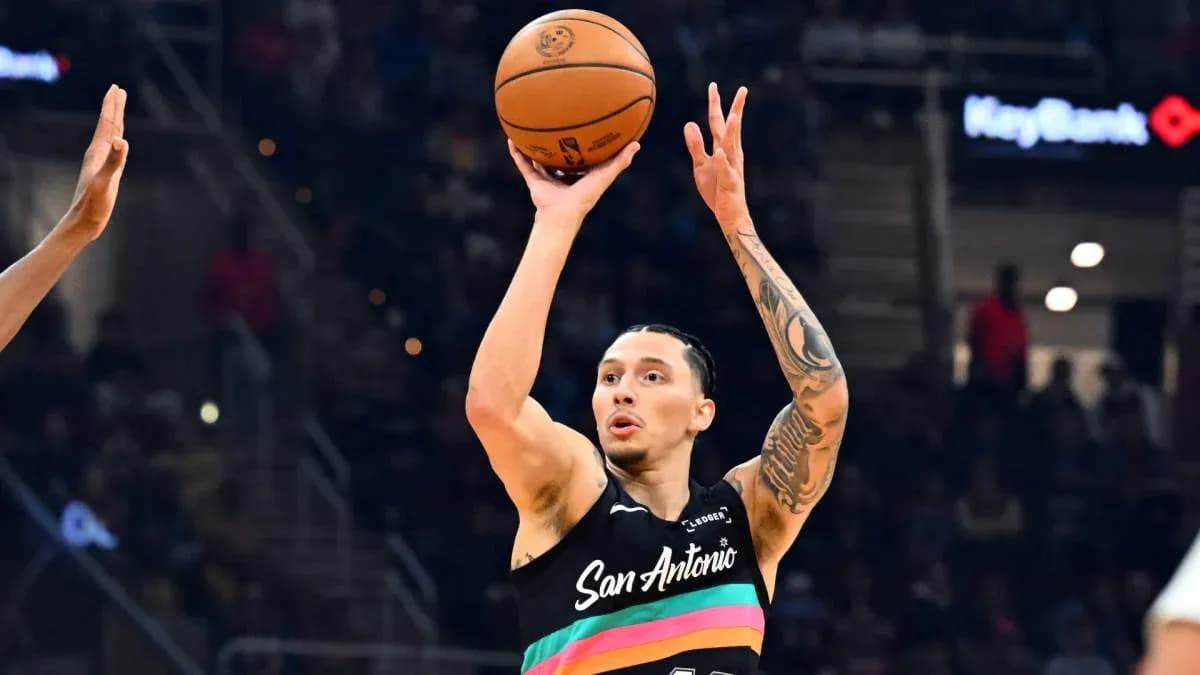
Minnesota pivoted hard toward pace and perimeter creation, sending Julius Randle and Naz Reid out in a blockbuster reshuffle and bringing in LaMelo Ball and Jonathan Kuminga. Around that new core, the front office tightened the screws on the rotation: Ayo Dosunmu and Bones Hyland stayed put to steady the bench, Jaylen Clark secured an extension, and Trey Lyles arrived to add size and shooting to the second unit.
It’s the kind of roster you build when you believe your 22-year-old star is ready to live at the top of the conference.
“[Edwards] is very pleased with the Wolves offseason,” ESPN’s Brian Windhorst said on the “Hoop Collective” podcast, underlining how strongly the guard feels about the moves. Windhorst added that landing Ball and pulling off the deal for Kuminga has Edwards thinking about fit and future in a different way, even suggesting that if his extension were on the table now, the revamped lineup might be enough to push him toward a signature.
LaMelo brings the playmaking and off-the-dribble creativity Minnesota has long lacked next to Edwards. Kuminga injects length, athleticism, and defensive versatility on the wing. On paper, it’s a roster built to run, switch, and score in bunches — with Edwards as the sun everything orbits around.
Edwards’ Hand in the Kuminga Coup
The Wolves didn’t just win a trade call. They won a recruitment battle.
Jonathan Kuminga had options — serious ones. The Los Angeles Lakers, Chicago Bulls and Portland Trail Blazers all circled. He could have chased money, market size, or a bigger offensive role elsewhere.
He chose Minnesota.
“Ant was super active in the recruitment of him,” Kuminga’s agent Aaron Turner told The Athletic. Edwards didn’t sell him on touches or billboards. He sold him on defense.
“One thing he did was focus his message on, we’re gonna really guard here,” Turner said. While much of the league fixated on what Kuminga could be as a scorer, Edwards and Kuminga locked in on the other end of the floor. Length, pressure, and stops as the foundation.
That pitch landed.
Turner recalled asking Kuminga in the gym this week: what’s the best basketball situation? “He said Minnesota. Well, nothing else matters. Why would you go anywhere else?” Turner said.
The Wolves’ recruitment didn’t stop with Edwards. Jaden McDaniels and LaMelo Ball also reached out, adding their voices to the push. It painted a picture of a locker room with a clear hierarchy but a shared mission.
“It was such a solid respect factor from top to bottom,” Turner added. For a franchise that once struggled to keep stars happy, that line carries weight.
From Western Finalist to West Hunter
Minnesota enters this season with scars and belief in equal measure.
After back-to-back trips to the Western Conference Finals, the Wolves stalled in the second round this year against the San Antonio Spurs. The exit came with context: Edwards played through a bone bruise in his left knee, Donte DiVincenzo missed the entire series, and Ayo Dosunmu sat out with a calf injury. What had been a deep, balanced rotation suddenly looked thin when it mattered most.
The response from the front office was anything but timid. The old formula — bigger, more traditional lineups — gave way to a backcourt-centric build around Edwards and Ball, with wings like Kuminga and McDaniels tasked with erasing mistakes and closing space.
Around the league, the shift has been noticed.
Many analysts now slot Minnesota just behind the Spurs and Oklahoma City Thunder in the Western hierarchy. ESPN projections peg the Wolves as the West’s No. 3 seed, with Tim MacMahon labeling the Edwards–Ball tandem the “league’s most talented backcourt.” Sports Illustrated’s Charlie Walton landed on the same number, backing Minnesota to finish third.
“Things can still change between now and the start of the season. Much more will inevitably change before April rolls around,” Walton wrote, nodding to the volatility of a long campaign. But he still planted a flag: the Wolves, as currently constructed, have the tools to sit third in the conference.
There is risk baked into all of it. Connelly’s swing for Ball could miss. So could the bet on Kuminga’s leap. The Wolves know that. They took the swings anyway.
For the first time in a long time, Minnesota is acting like a franchise that expects to live near the top of the West, not just visit it. Edwards is driving that standard, and now he has the roster he wanted around him.
The question isn’t whether the Wolves have changed. It’s whether this new, guard-powered version can finally push past the conference’s ceiling and turn promise into something permanent.