Anthony Edwards Shapes Timberwolves' Offseason Success
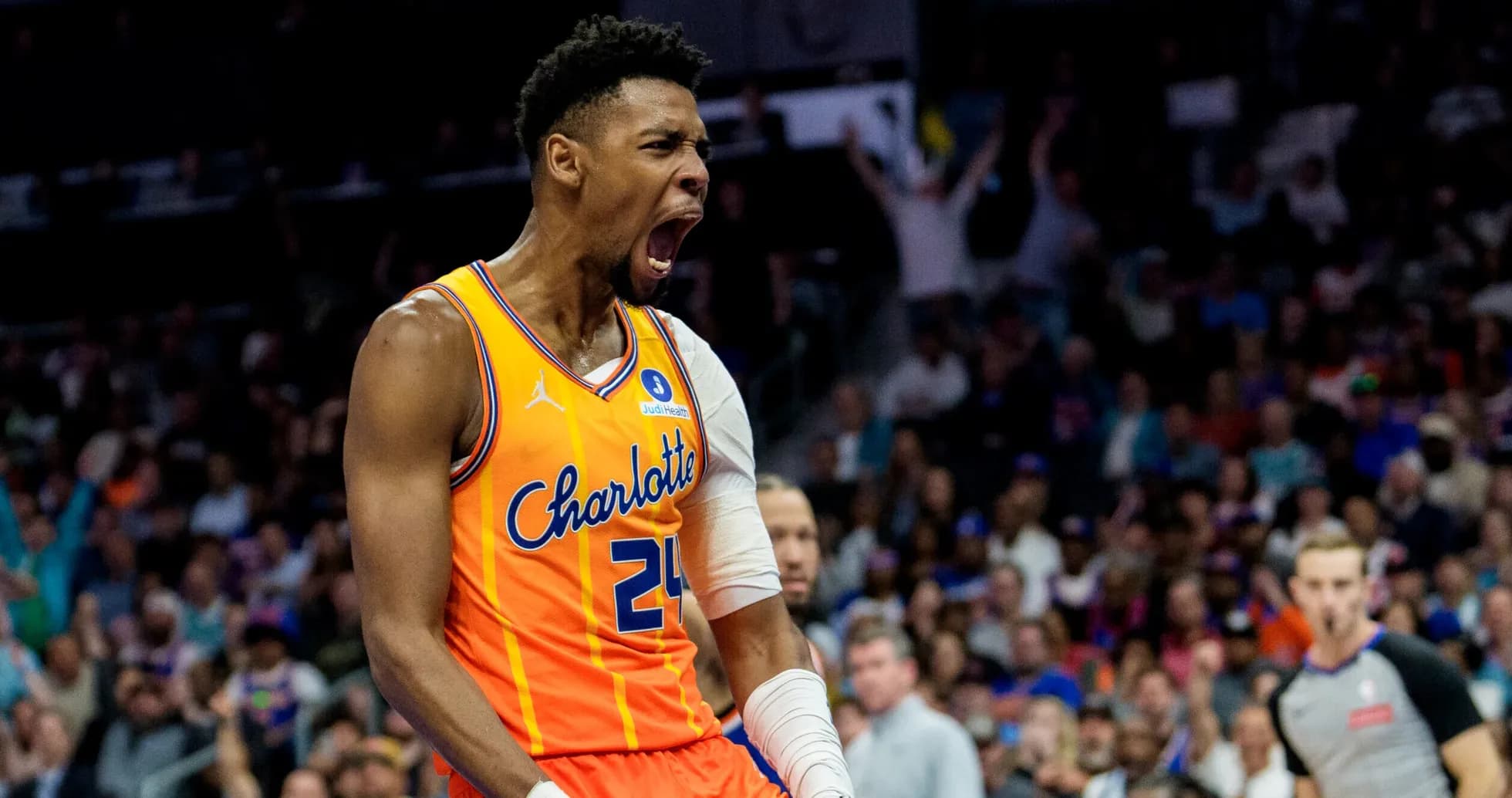
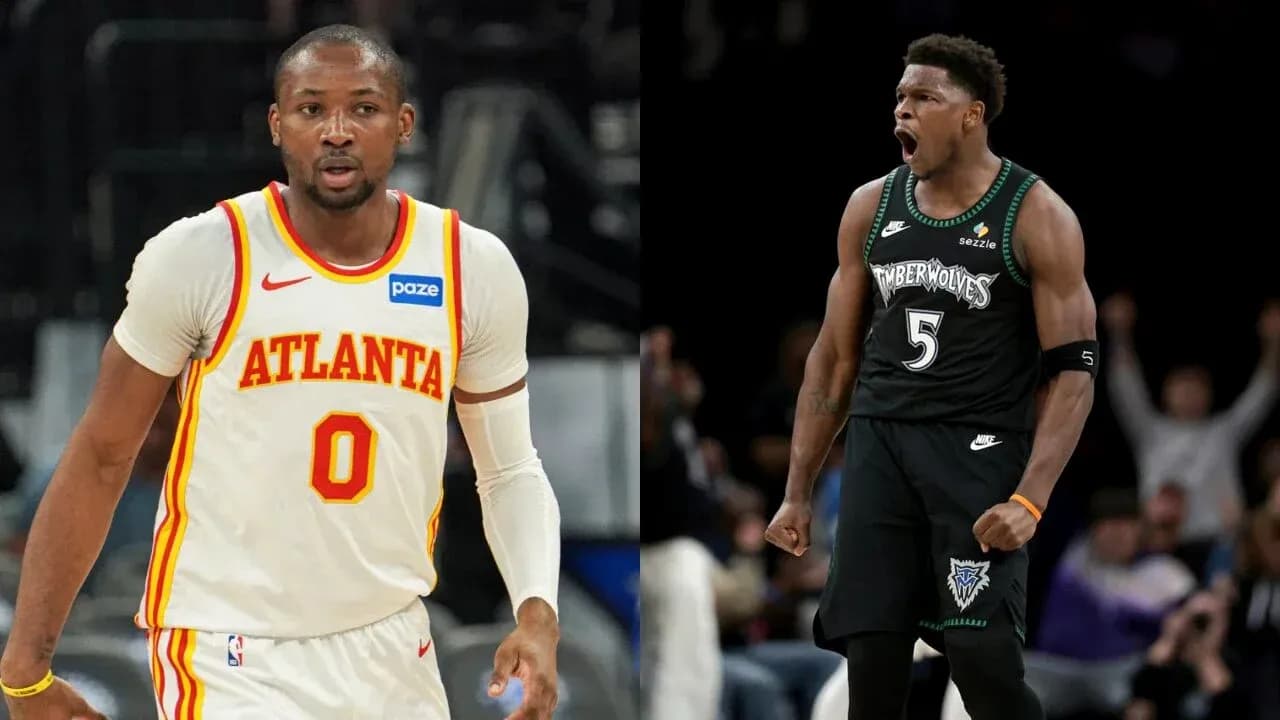
The headline move in late August looked, at first glance, like a financial riddle. Jonathan Kuminga, a 2022 NBA champion and one of the most intriguing young forwards in the league, turned down a richer offer from the Los Angeles Lakers to sign a cheaper, shorter deal with the Minnesota Timberwolves.
On paper, it made little sense. In the locker room, it made all the sense in the world.
Edwards’ Quiet Recruitment Win
Minnesota didn’t just sign Kuminga. Anthony Edwards closed him.
Kuminga’s agent, Aaron Turner, laid it out in a conversation with Kevin O’Connor: Edwards’ pitch wasn’t some elaborate recruiting speech or a sales job built on market size and brand power. It was blunt, simple, and exactly what a player in Kuminga’s position wanted to hear.
“Ant was a massive part of this whole thing,” Turner said. The message from Edwards was clear: Minnesota wanted the version of Kuminga that had given teams problems in the playoffs. The attacking wing. The fearless scorer. The player who didn’t shrink into a role but stretched it.
“We want that dude,” was the essence of the pitch. Not a reshaped version. Not a watered-down, system-friendly edition. Just Jonathan Kuminga, unfiltered.
That tone mattered. Kuminga has already lived the other side of the equation — a young player trying to carve out a place on a title-caliber roster, often asked to bend his game around established stars. Minnesota, through Edwards, flipped the script: come here, be yourself, and be loud about it.
Turner pushed back at the narrative that Kuminga would have to overhaul his game to fit the Timberwolves’ structure.
This whole thing of like, oh, he has to adapt. No,” Turner said. Edwards, described by Turner as unselfish and secure, wanted Kuminga to “do everything you do and do it loudly” and to “come in here and be Jonathan Kuminga.”
That’s not just recruitment. That’s a star defining the culture he wants around him.
The Money Question
The financial side raised eyebrows around the league.
According to reports, Lakers general manager Rob Pelinka put a three-year offer of roughly $36 million on the table. A clear statement: they saw Kuminga as a starting forward and wanted to lock him in at about $12 million per year.
Turner admitted on FanDuel’s “Run It Back” that he struggled with the idea of a team trying to secure a starting-caliber piece at a number “pretty decently below the midlevel.” From his perspective, the valuation didn’t match the role being pitched.
Then came the twist. Kuminga ultimately signed with Minnesota on an even smaller deal: two years, $12.4 million.
On the surface, it’s a contradiction. Turn down more guaranteed money and an extra year in Los Angeles to take less in Minnesota. Underneath, it speaks to something else: trust in fit, belief in opportunity, and the weight of Edwards’ voice inside the organization.
The Timberwolves didn’t just sell Kuminga on a contract. They sold him on a role and a partnership.
LaMelo, Kuminga, and a New Look Wolves Core
Kuminga’s arrival landed just as Minnesota reshaped its perimeter with another bold move: bringing in LaMelo Ball.
Ball, still one of the most gifted playmakers of his generation, joins Edwards in a backcourt that suddenly looks far more explosive and unpredictable. Kuminga slides into that mix as a dynamic, downhill forward who can run with them in transition and attack mismatches in space.
The numbers on Kuminga’s deal — two years, $12.4 million — look modest for a player with his upside. For Minnesota, it’s a calculated gamble with huge potential upside. For Kuminga, it’s a short runway to prove his value in a featured role, then re-enter the market with a stronger hand.
For Edwards, it’s something else entirely: proof that the organization is listening.
Edwards’ Approval, Loud and Clear
Six years into his Timberwolves tenure, Edwards sits at the center of everything Minnesota does. His five-year deal runs through 2029, but in the modern NBA, the contract length is only part of the story. The real question is always the same: is your star happy?
Right now, the answer in Minnesota is yes.
“Ant is very pleased with the Wolves’ offseason,” NBA insider Brian Windhorst reported on his show. The acquisitions of LaMelo Ball and Jonathan Kuminga weren’t just front-office maneuvers; they were moves that aligned with what Edwards wanted around him.
Windhorst went further: if Edwards’ extension were on the table today, this kind of offseason might be the sort of thing that pushes a star to sign without hesitation. He even floated the idea that Edwards sees LaMelo as a “perfect fit.”
That’s the kind of endorsement front offices crave but rarely hear publicly.
Minnesota has done more than keep its star involved. It has empowered him. Edwards didn’t just rubber-stamp the summer; he actively helped bring one of its key pieces through the door.
The Stakes in Minnesota
This is where the Timberwolves now live: in the space between promise and proof.
They have Anthony Edwards, ascending and engaged. They have LaMelo Ball, a high-ceiling creator who can unlock new layers of their offense. They have Jonathan Kuminga, a hungry, underpaid forward with something to prove and a star teammate urging him to unleash his full game.
The equation is simple. If this new core clicks and the Timberwolves turn this summer’s aggression into a real championship push over the next few years, the franchise’s long-running anxiety about keeping its star could fade into the background.
If they win big with this group, Edwards’ next decision might not be a mystery at all.