Argentina’s World Champions Legal Saga After World Cup Loss
Argentina’s World Cup final defeat to Spain was brutal enough on the pitch. What followed has turned it into a long-running legal and disciplinary saga that will shadow the Albiceleste well into the next cycle.
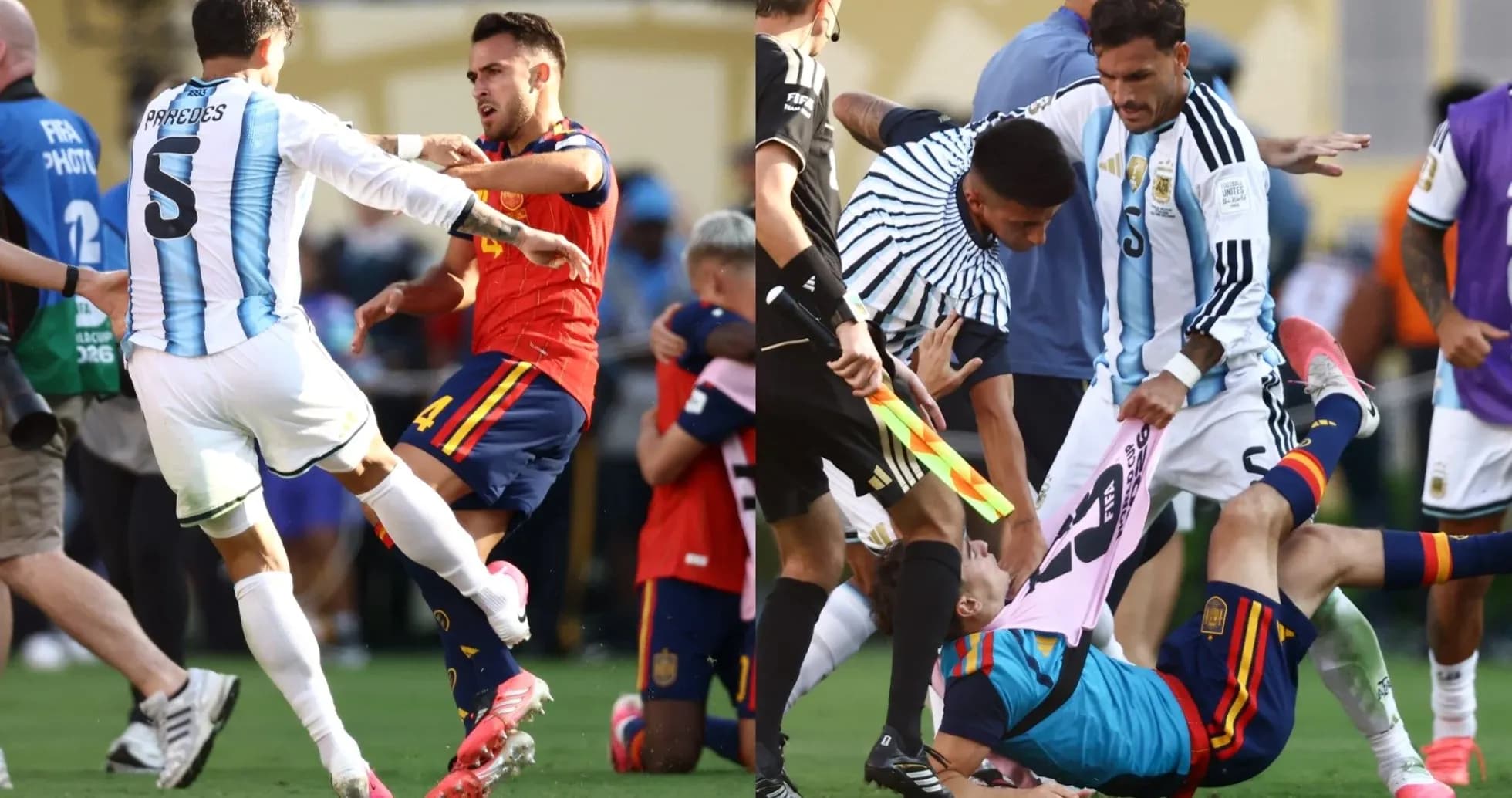
The 1-0 loss in the 2026 final has been eclipsed by the violent scenes that erupted at full-time, and FIFA’s response has been uncompromising. Assistant coach Roberto Ayala was among those sanctioned, but it is the punishment handed to Leandro Paredes that defines the scale of the fallout.
Heavy bans after chaotic final
Paredes, 32, received the heaviest individual sentence. FIFA’s Disciplinary Committee hit the midfielder with a 10‑match suspension and a £65,000 fine after he grabbed Eric Garcia by the throat, struck Gavi in the face and then shoved the teenager to the ground in the post-match chaos.
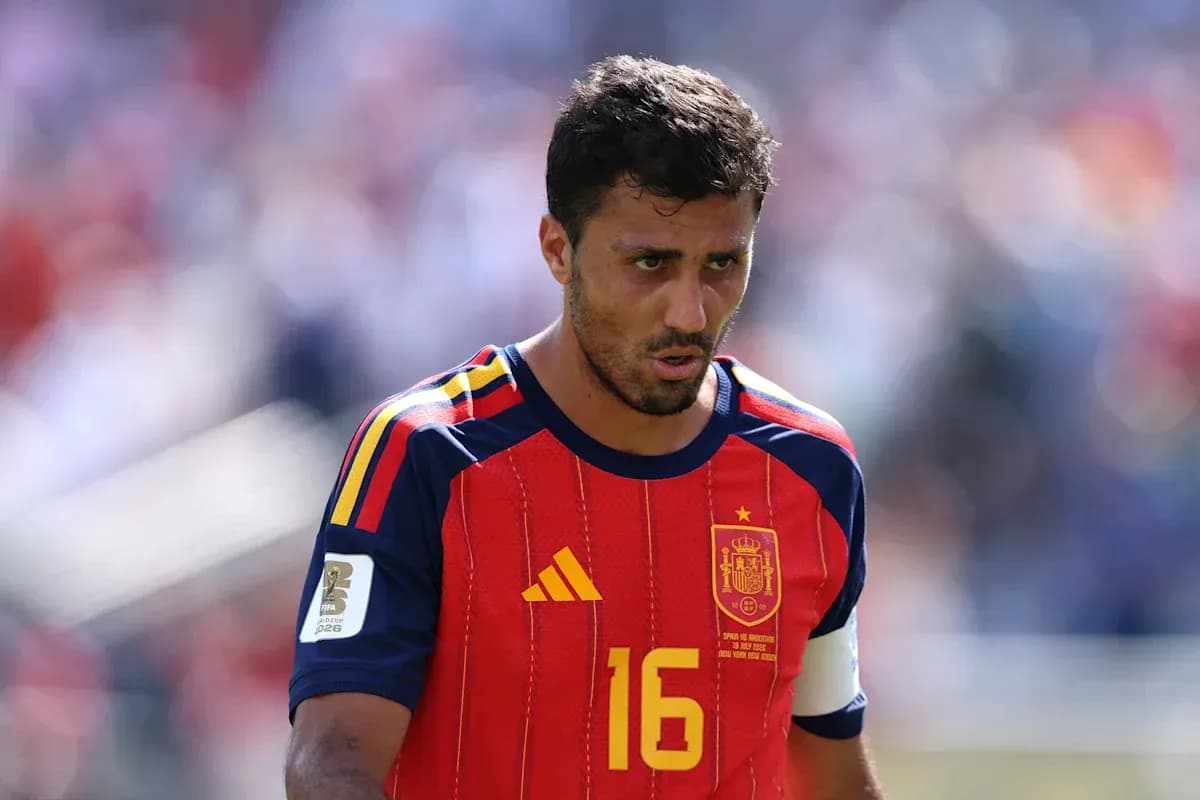
Nahuel Molina did not escape lightly either. The right-back was banned for seven matches for striking Spain captain Rodri in the torso, an incident that lit the fuse for the mass confrontation between both squads.
Thiago Almada and Gavi also found themselves in the report. Each was handed a one‑match suspension for their roles in the melee, minor figures in a wider scene that has left Argentina paying a steep price for a few minutes of lost control.
AFA moves quickly to limit the damage
Faced with long bans for key players, the Argentine Football Association did not sit still. It moved into negotiation mode.
In a detailed statement, the AFA confirmed it had formally asked FIFA to allow the suspensions from the World Cup final – as well as sanctions against the association itself – to be served in Class A friendlies and/or official matches, whichever comes first. FIFA’s Disciplinary Committee accepted the request under existing regulations.
That decision changes everything for Argentina. Instead of seeing Paredes and Molina miss competitive fixtures years down the line, the AFA can now burn through those bans in friendlies, accelerating their return for meaningful games.
The governing body is not finished, though. The same statement made it clear that, while it welcomed the procedural win, it is waiting for the written reasoning behind the sanctions so it can file appeals with FIFA’s Appeals Committee. If needed, the Court of Arbitration for Sport (CAS) looms as a possible final battlefield.
Political flashpoint adds to disciplinary storm
The final wasn’t the only moment Argentina found itself under the microscope in 2026. After their semi-final win over England, several players – including Lionel Messi, Cristian Romero, Giovani Lo Celso and Lisandro Martinez – celebrated with a banner asserting that the Falkland Islands belong to Argentina.
The image raced around the world and triggered immediate calls for individual bans. FIFA stopped short of that. The players avoided direct suspensions, but the AFA took a financial hit: a £235,000 fine, with £73,000 of that amount suspended.
There was more. Argentina were also ordered to play their next two home matches with a partial stadium closure, capped at 50 per cent capacity. One of those closures is suspended, hanging over the federation as a clear warning about future conduct.
Friendlies as a lifeline
The strategic picture is now clear. By front-loading a schedule of Class A friendlies, Argentina can chew through the bans for Paredes and Molina long before their next serious test.
As co-hosts of the centenary World Cup, Argentina already have their place at the tournament secured. That removes the pressure of qualifiers and means their next genuinely competitive campaign will not arrive until the 2028 Copa America.
For Lionel Scaloni and the AFA, that gap is both a problem and an opportunity. The problem: a national team trying to move on from a bitterly controversial World Cup climax. The opportunity: a stretch of exhibition matches to rebuild rhythm, rehabilitate reputations and quietly reintegrate their sanctioned stars.
The bans will eventually expire. The fines will be paid. The stadium will fill again. The real question is whether, by the time the 2028 Copa America kicks off, Argentina are remembered more for the football they play – or the storm that followed the night they lost the world title.