Bonucci Discusses Near Move to Guardiola at Manchester City
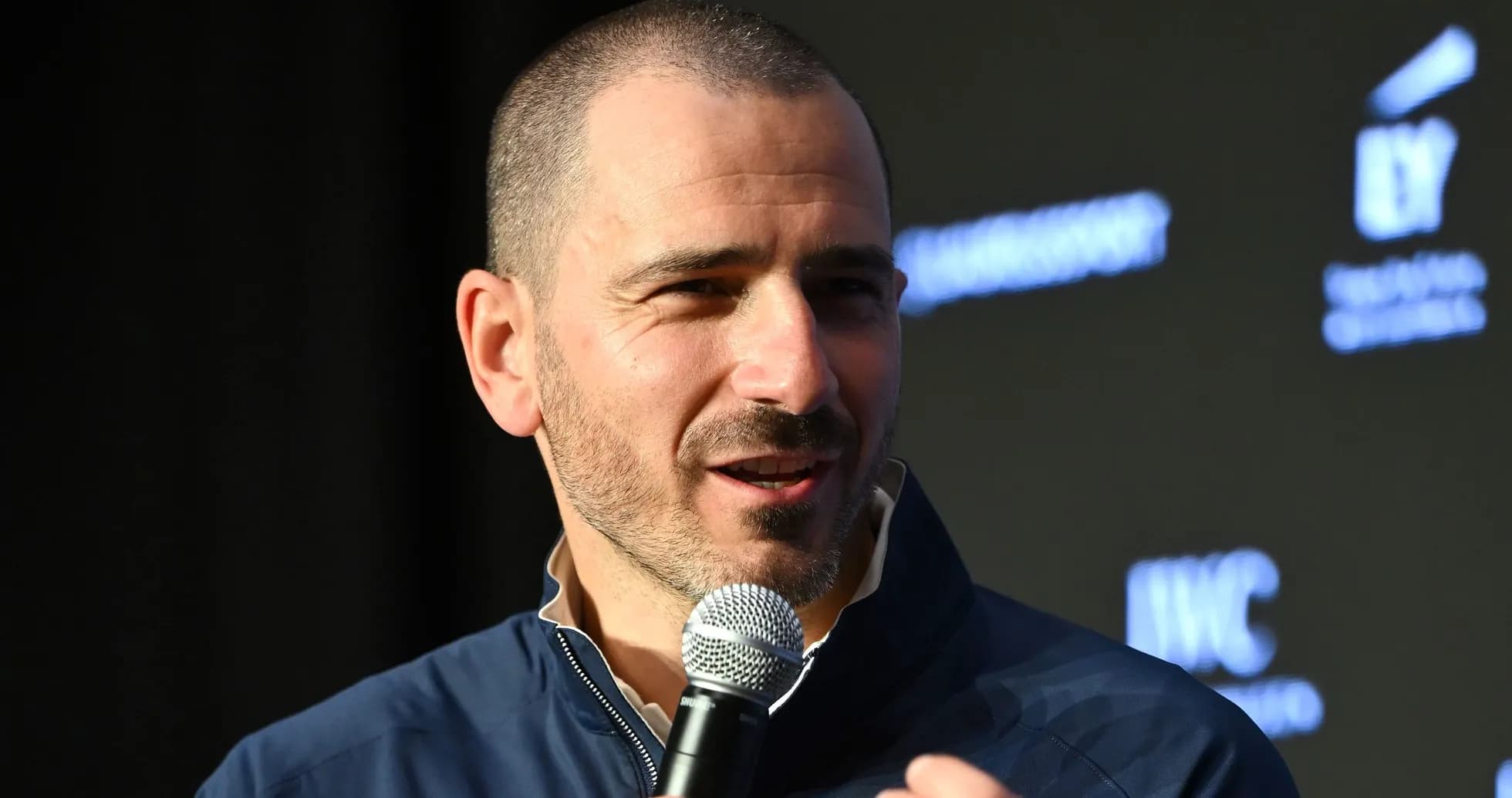
Leonardo Bonucci has lifted the lid on just how close he came to walking away from Juventus at the peak of his powers to join Pep Guardiola’s Manchester City – and how football, family and loyalty collided to keep him in Turin.
Speaking to World Soccer Agency, via Sport Mediaset, the former Italy defender described a tug-of-war that played out during Euro 2016, with one of the game’s most influential coaches on one side and a lifetime’s devotion to Juventus on the other.
Guardiola, then newly installed at City, saw Bonucci as the ideal cornerstone for his revolution in England: a centre-back who could pass, dictate, and build attacks from deep. Bonucci knew exactly why.
“For my style of football, the coach who is best suited and most appreciates playing out from the back is Guardiola,” he said. “So he courted me for many weeks, and let me tell you, being courted by Guardiola is not like any other experience. You really do start to wobble, and it was tough taking place during the Euros, where I had to be concentrated, but even during the tournament there were some discussions.”
The timing was brutal. Bonucci was trying to anchor Italy’s defence on one of the biggest stages in international football while fielding interest from a manager whose admiration he had earned through years of refined, modern defending. City, already assembling the framework of the side that would dominate English football, were pushing hard.
The temptation was real. The Premier League. Guardiola. A new chapter abroad. On some days, Bonucci admits, the pull of Manchester felt irresistible.
“As far as I was concerned, the idea of leaving Juventus made my heart ache,” he confessed. “Some days I’d say to myself, oh wonderful, the Premier League and Guardiola, but then the day after I remembered that I had always dreamed of Juventus.”
That line cuts to the core of the dilemma. Bonucci wasn’t a player looking for an escape route. By 2016 he had already reached a Champions League final with Juventus and had become a symbol of the club’s resurgence, part of a legendary back line and a serial winner in Serie A. The thought of trading that in for a new adventure was as painful as it was exciting.
Then came the factor that changed everything.
Away from the spotlight of the Euros and the transfer market, Bonucci’s two-year-old son Matteo was battling a serious illness. The defender has spoken before about how that period reshaped his priorities. Here, he makes clear that it weighed heavily on his decision to stay in Italy.
“After the Euros, I spoke to Juve,” he said. “Matteo’s illness and the fact I didn’t feel 100 per cent about leaving Juve, especially as the club told me that I would not be sold even if an incredible offer came in, made it a normal decision to stay. Working with Guardiola would’ve allowed me to have even greater experience, technically and tactically.”
The club’s stance removed any lingering doubt. Juventus made it clear: even a huge bid from City would not pry him away. For a player already emotionally torn, that certainty provided a kind of release. What might have been one of the most dramatic defensive transfers of the decade dissolved into a decision that, in his words, became “normal”.
Bonucci still recognises what he turned down. The chance to work daily under Guardiola, to refine his game further in a league that demands intensity and adaptability, would have been a rare opportunity for any defender, let alone one already at the top of his craft.
Yet his story underlines a truth often lost in the noise of modern transfers: careers are not shaped only by tactics, trophies, and salary figures. Sometimes they hinge on a child’s illness, a club’s refusal to cash in, and a player’s refusal to betray the shirt he dreamed of wearing as a boy.
Manchester City moved on and built their empire with other pieces. Bonucci stayed, added more silverware to his Juventus legacy, and carried the weight of a decision that could have redrawn the map of his career. The question that lingers now is simple: in an era of constant movement, how many players would still choose the aching heart over the perfect footballing fit?