Charlotte Hornets' Bold Offseason Moves
The Charlotte Hornets didn’t just pivot this summer. They tore up the map.
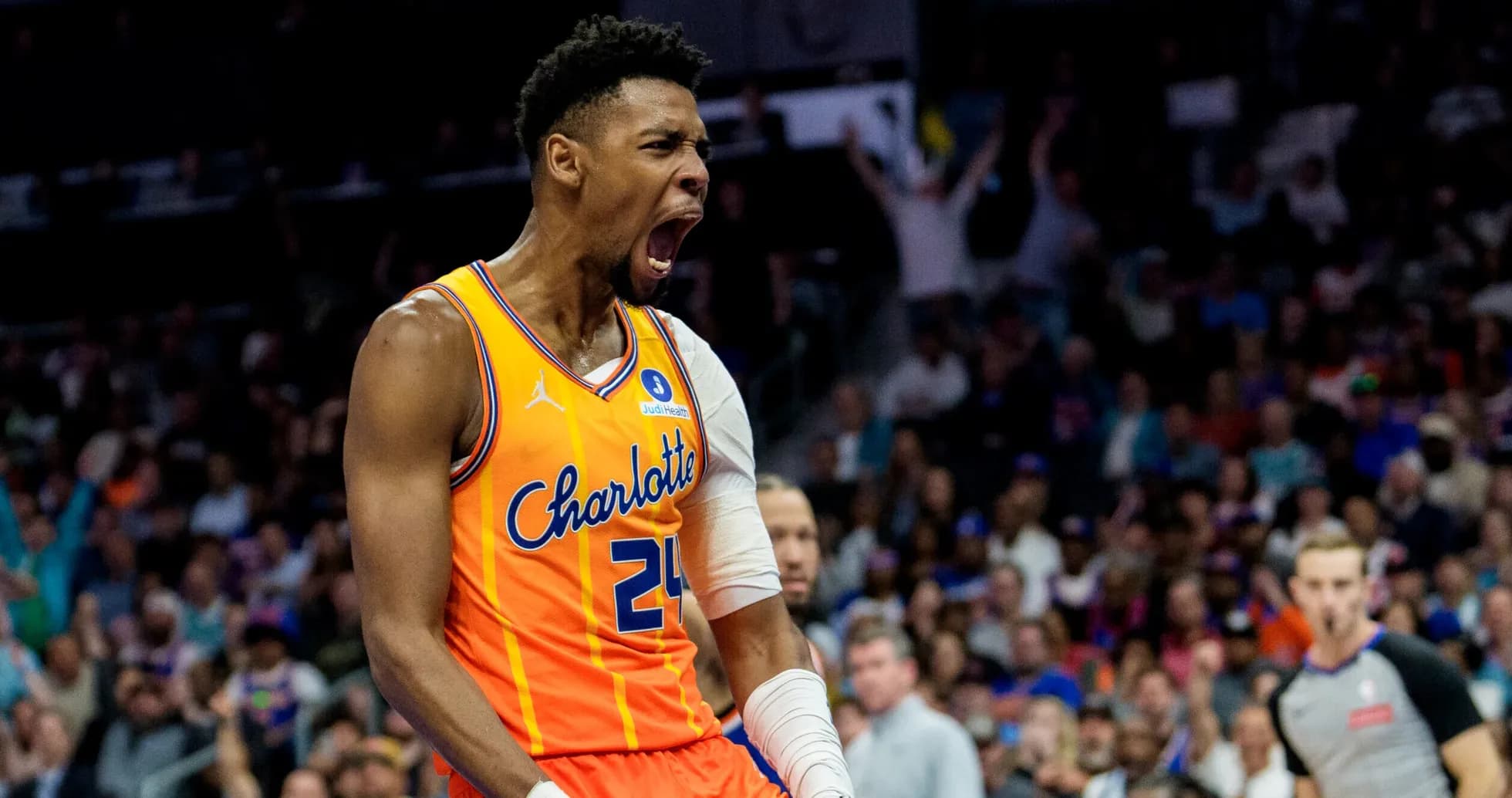
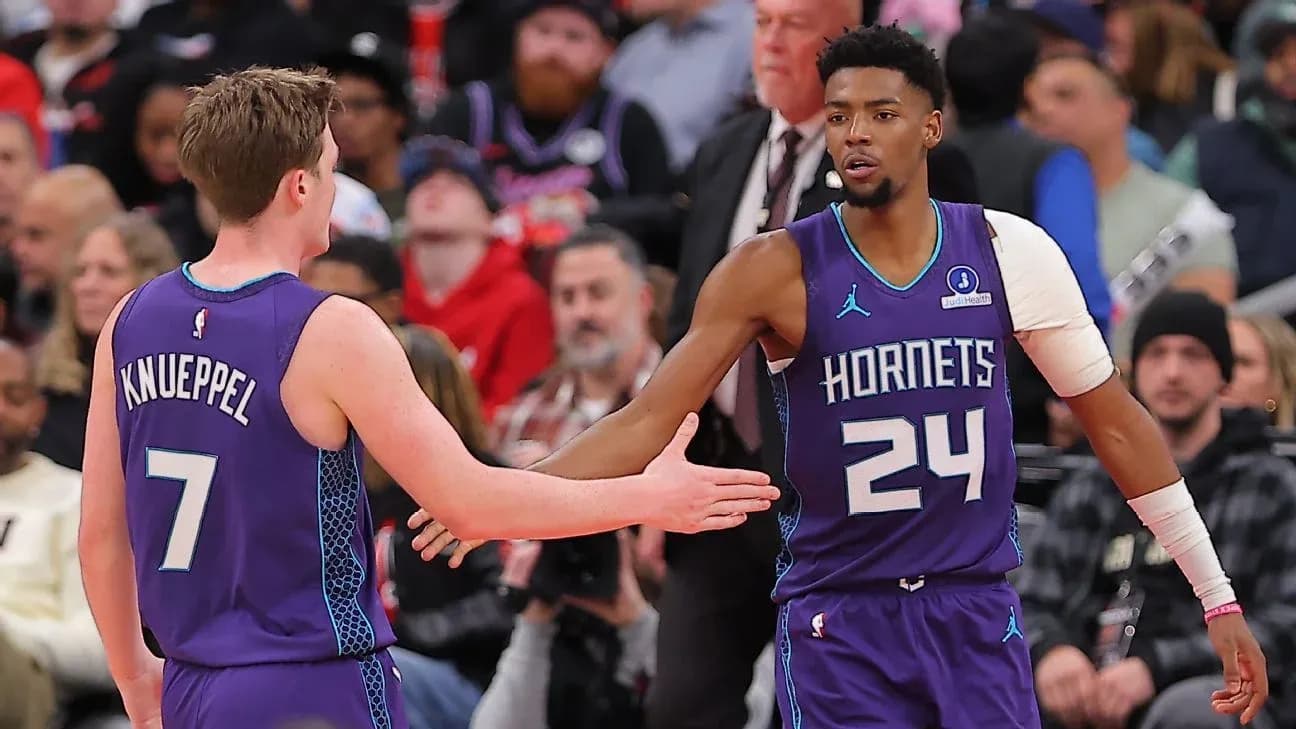
A franchise that finally tasted relevance last season chose the bolder, colder route: cashing out on LaMelo Ball at the height of his value and betting the next decade on Brandon Miller, Kon Knueppel and a mountain of draft capital.
Ball, the face of the organization and the engine of a top-five offense, is gone to Minnesota. In his place: Naz Reid, a 2033 unprotected first-round pick, three second-rounders and three first-round pick swaps. On paper, it reads like a “Moneyball” special. In practice, it’s a declaration that Charlotte is no longer interested in the NBA’s middle class.
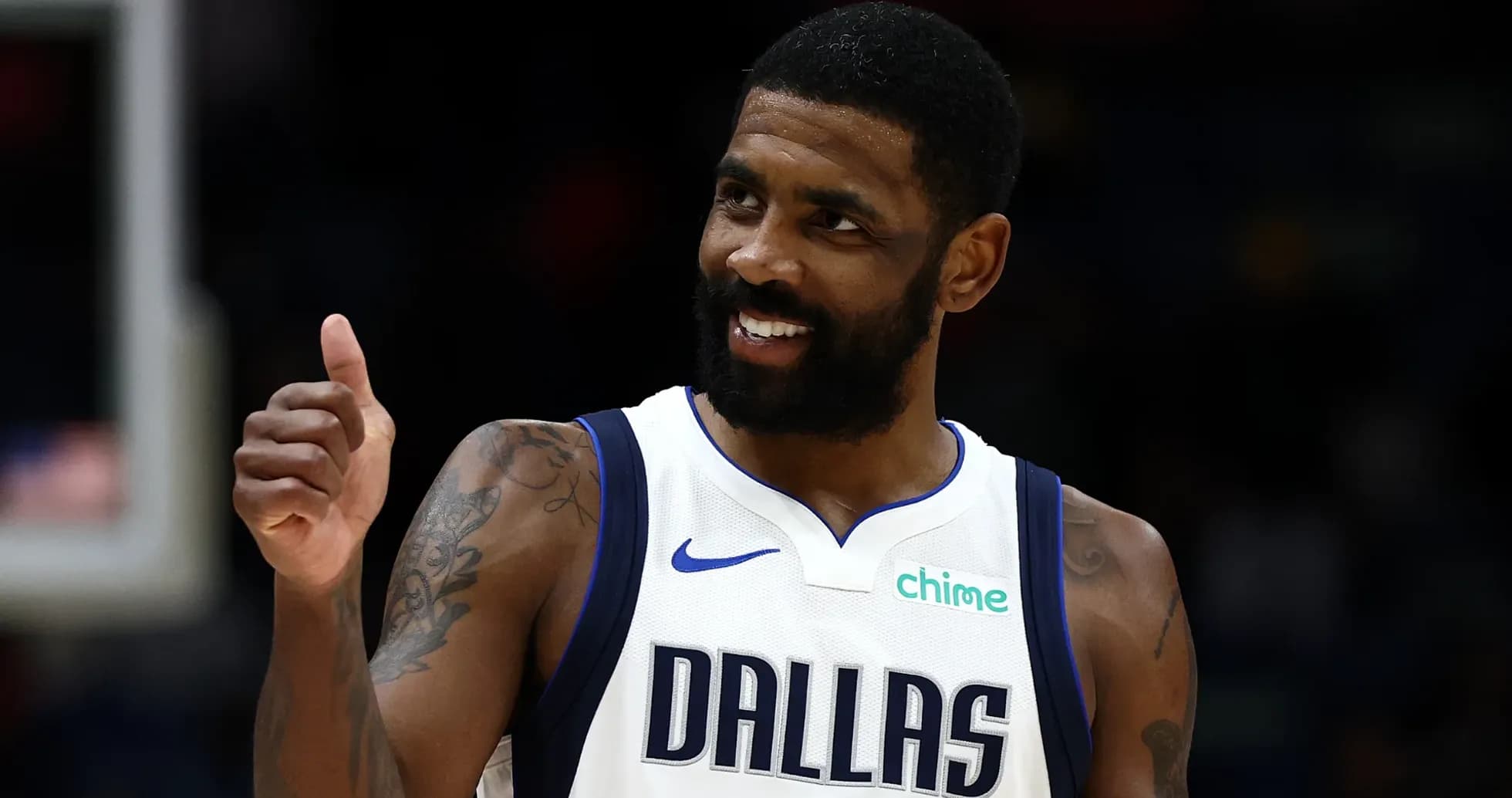
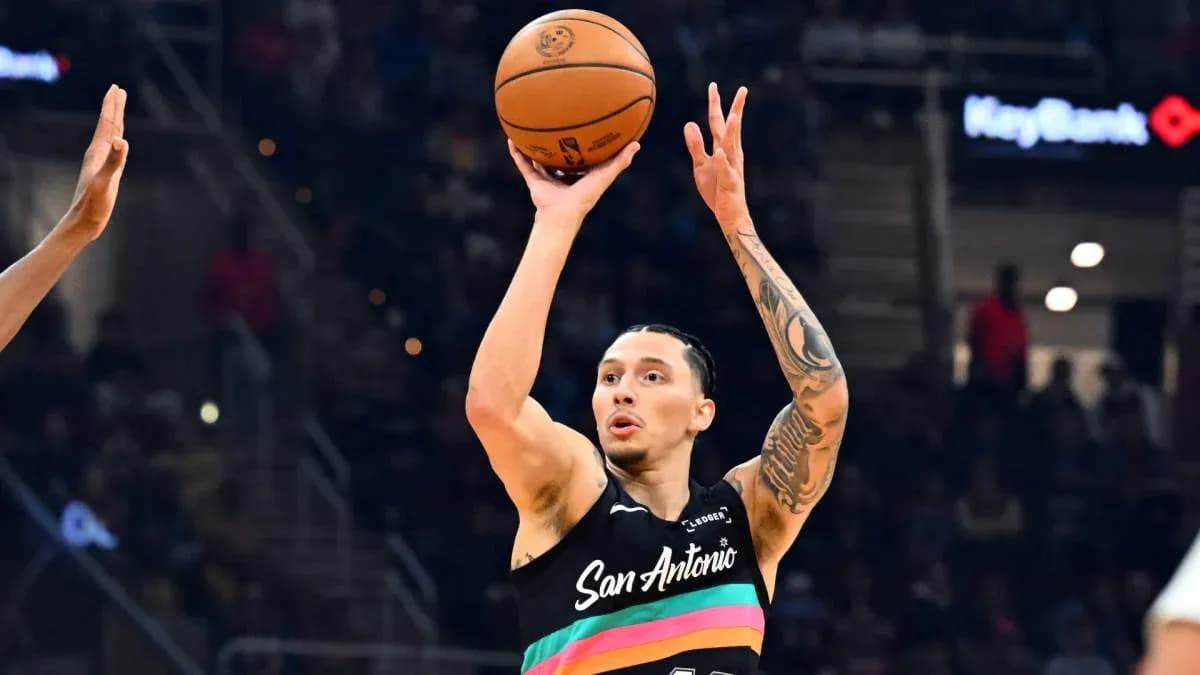
They didn’t stop there. Miles Bridges, the other pillar of last season’s surge, was moved in a separate deal for more future assets and flexibility. Josh Green and Tre Mann are out. Grayson Allen, Dennis Schroder, Royce O’Neale and Dorian Finney-Smith are in, a veteran scaffolding around a very young core.
The result? Charlotte now stands alone as the only team in the league without a single player slated to make $25 million next season. No max contract. No traditional “franchise guy” on the books. Just a front office convinced that the group that lit up the league after the All-Star break wasn’t built to last into May and June.
A hot team that didn’t buy its own hype
Most teams that finish second in offensive efficiency and net rating after the All-Star break, with a 44-win season and a dynamic young trio, get rewarded with patience. The Hornets got a microscope.
The verdict on Ball was harsh but clear: brilliant, entertaining, and not the player they believed could lead them to a championship. Six seasons, no playoff appearances, a max rookie extension, and persistent questions about shot selection, defense and durability. Charlotte looked at that résumé and decided the ceiling wasn’t high enough.
So they chose the harder path. Trade the borderline All-Star. Walk away from the comfort of “pretty good.” Load up on picks and flexibility and hope the next window opens wider than the last.
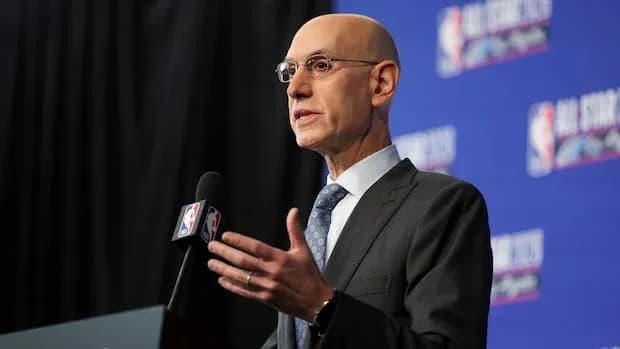
Team president Jeff Peterson didn’t hide the ambition. The goal, he said, isn’t a brief flirtation with the play-in or a token playoff cameo. The Hornets haven’t been in the postseason since 2016, but the bar has been raised anyway.
The risk is obvious. Strip out Ball and Bridges from a team that finally found its stride, and the floor drops. The lottery looms again. But the upside, if Miller and Knueppel hit their projections, stretches into the 2030s.
On the other side of this split, Ball now joins Anthony Edwards in Minnesota, where the expectation is simple: win in the playoffs, and win soon. The divorce is clean. The verdict on who “won” it won’t be.
Ask again in 2027. Ask again in 2030.
One step back, or a freefall?
Zach Kram stamped the Hornets’ offseason with an A-, and it’s not hard to see why on a long view. Charlotte turned a 24-year-old max guard and a 28-year-old forward into one of the league’s deeper pick stashes and a roster reoriented around Miller and Knueppel.
In the short term, though, the price is steep. Ball’s 20.1 points, 7.1 assists and 32.0 usage rate don’t just vanish without consequence. He controlled possessions, tempo and late-game offense. There is no one-for-one replacement.
Coach Charles Lee will have to solve it by committee. Miller and Knueppel are no longer the future; they’re the present. Both are high lottery picks with All-Star ceilings, and both now step into the responsibility that comes when a franchise trades away the star it once built around.
Coby White, freshly re-signed on a three-year, $74 million deal, slides into the starting point guard role and becomes the connective tissue of this new version of Charlotte. Schroder arrives as the steady hand, the veteran who can organize second units and keep the offense from collapsing when the kids hit turbulence.
What will it look like? Likely familiar in one sense: threes, and lots of them. Miller, Knueppel, White and Allen all averaged more than six attempts from beyond the arc last season. Lee’s Hornets should once again rank among the league’s most trigger-happy perimeter teams, a spacing-heavy outfit built to let its young wings breathe.
The models are less romantic. ESPN’s Basketball Power Index pegs Charlotte at No. 20, with a post-free agency Power Ranking of No. 21. Dean Oliver looks at a core of Knueppel, Miller, White, Moussa Diabate and Allen and sees a collection that, a year ago, would have inspired little confidence. Strip away Ball and Bridges, and the shine of last season’s “best starting lineup in the league” fades quickly.
That’s the gamble. The Hornets believe the sum of these parts, plus their draft war chest, will eventually outstrip what they just broke up.
The big question: who scores now?
Everything funnels back to one issue: where do the points come from when the game slows down and there’s no LaMelo to bend the defense?
Miller is the obvious first answer. His scoring package, size and feel scream primary option. Knueppel, with his polish and shot-making, profiles as the second punch, the kind of wing who can punish tilted defenses and grow into his own creation role.
White’s track record offers a hint of what’s possible. In his last two full seasons with the Bulls, he averaged just under 20 points, five assists and three made threes per game. As the full-time starter in Charlotte, with more usage and more responsibility, those numbers are a floor, not a ceiling.
Schroder can soak up possessions as a pick-and-roll operator. Allen, O’Neale and Finney-Smith stretch the floor and punish help. But none of them is Ball. The Hornets aren’t replacing his playmaking with a single star. They’re replacing it with layers.
If it works, Charlotte becomes harder to scheme for. If it doesn’t, late-game offense could turn into a nightly stress test.
A crowded, crucial frontcourt
The backcourt questions are loud, but the frontcourt might decide the season.
Hannes Steinbach, Moussa Diabate and Ryan Kalkbrenner form one of the most intriguing young center rotations in the league. Each brings something distinct. Steinbach, this year’s lottery pick, crashes the glass and gives Charlotte a physical interior presence. Diabate’s energy fueled last season’s elite starting lineup. Kalkbrenner, before injuries cut short his rookie campaign, flashed the kind of size and rim protection that can anchor a defense.
Add Naz Reid to that mix and Lee has four bigs who all expect real minutes.
On paper, it’s a luxury: 48 full minutes of center production with different looks for different matchups. In reality, it’s a puzzle. Can two of them share the floor without strangling the spacing that underpins this offense? Can Reid toggle between forward and center without losing the edge that made him a former Sixth Man of the Year?
Solve that, and Charlotte’s identity sharpens. Fail, and the rotation becomes a nightly compromise.
Fantasy lens on a franchise bet
From a fantasy standpoint, the Hornets’ upheaval creates opportunity. White steps into the kind of role guards dream about: high minutes, high usage, and the keys to a free-flowing offense. Surpassing his Chicago numbers in points, assists and threes is firmly in play.
Reid, finally positioned as a full-time starter rather than a super-sub, walks into a bigger workload than he ever had in Minnesota. The touches, the minutes, the green light — all of it points to a career season.
Strip away the fantasy context, though, and the stakes remain the same.
Charlotte chose ambition over comfort. It walked away from a known star and a successful season to chase something bigger, riskier, and far less certain. The Hornets have their new direction, their new hierarchy, their clean cap sheet and their draft stash.
Now comes the only part that matters: can Brandon Miller, Kon Knueppel and this reimagined core turn that bold idea into a team no one wants to see in April?