David Moyes Reflects on Everton's Disappointing Transfer Window
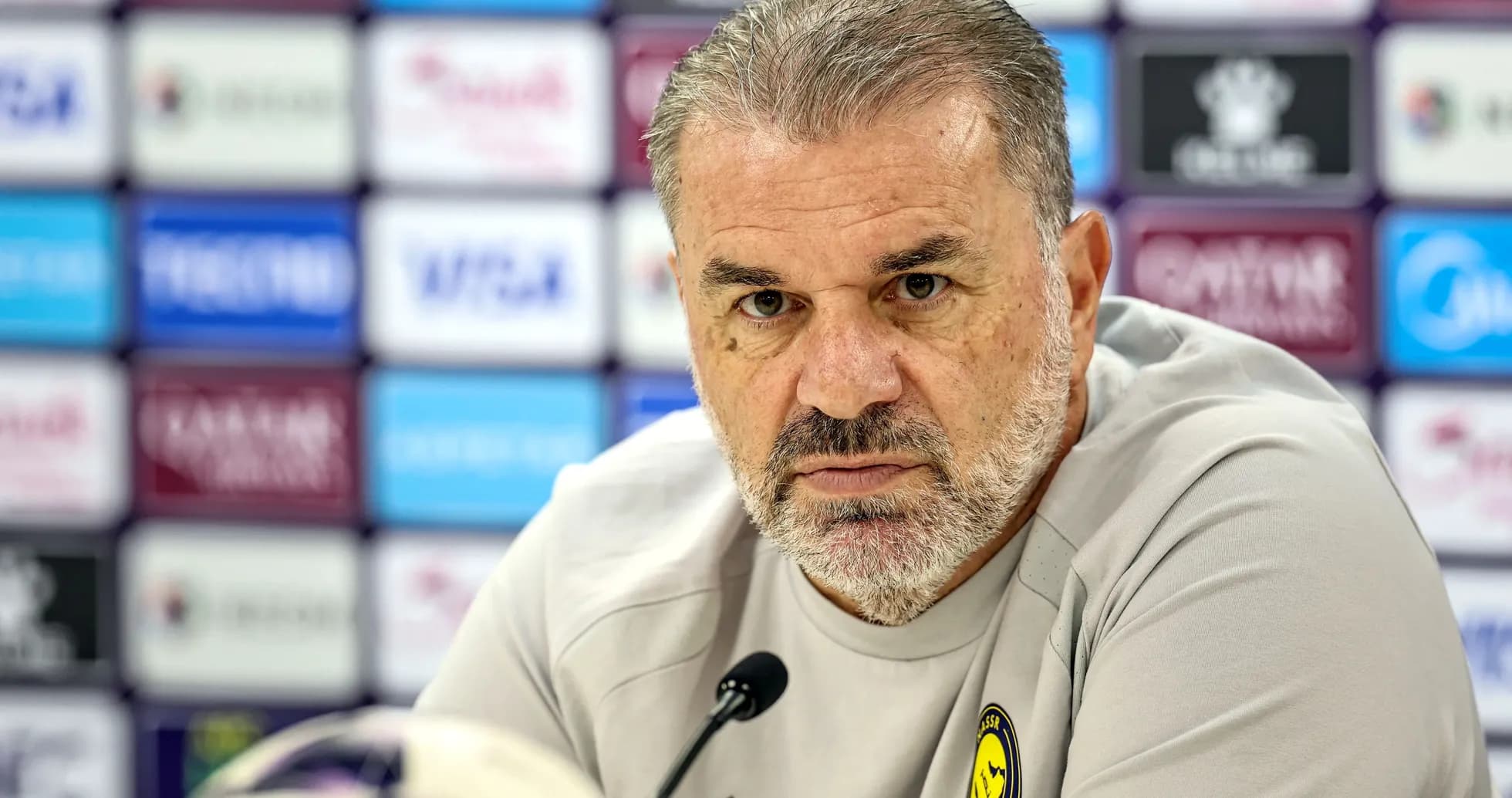
David Moyes did not try to dress it up. Everton’s transfer window ended with more regrets than reinforcements, and the manager knows he has to carry that into a season already balanced on a knife edge.
“I am disappointed that we didn't do more business and things didn't go our way in the end,” he admitted. “Sometimes in football you have to live with disappointments and move on, and we will.”
The problem is this one will sting for a while.
Balogun deal collapses after late U-turn
The headline frustration came in the final hours. Everton thought they had Folarin Balogun. Medical done at Finch Farm. A £40m deal with Monaco renegotiated after issues emerged in the tests. Paperwork pushed through to the wire, both clubs signing a deal sheet before the 23:00 BST deadline to buy themselves extra time.
Then the forward changed his mind. Just walked away.
“It wasn't anyone's fault and ultimately it happens in football as the player had a problem in his medical and that was simply it,” Moyes said. “There are no other stories behind it. That is exactly what happened.”
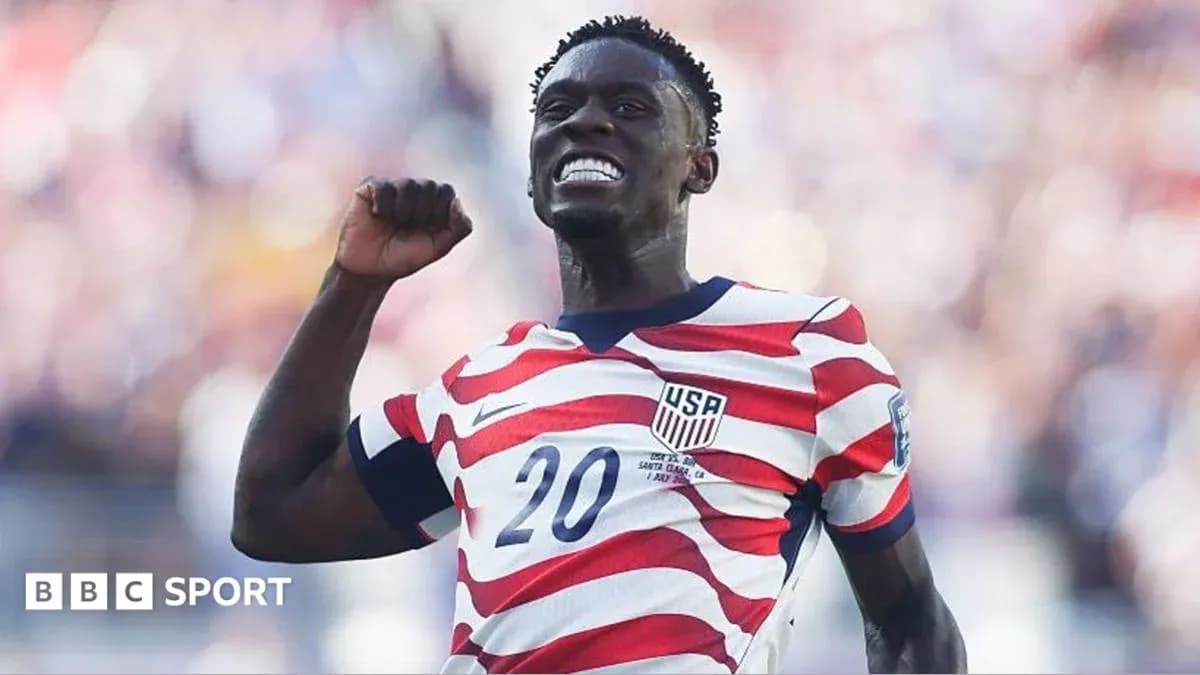
For a club desperate to sharpen its attack, the reversal cut deep. Balogun, 25 and a United States international, had emerged as a late target after Beto’s departure to Fiorentina. The plan was clear: lose one striker, bring in another with a different profile and ceiling. The plan fell apart in the space of a few tense hours.
Missed forwards and a reshaped attack
Balogun was not the only forward who slipped away. Everton explored moves for Manchester United’s Joshua Zirkzee and Aston Villa’s Tammy Abraham. Both were identified, both were sounded out, neither could be convinced to come.
The club did land one marquee attacking name – Jack Grealish, arriving from Manchester City on a season-long loan. On paper, it is the kind of signing that can change the feel of a dressing room and the tempo of a team’s play. Grealish brings craft, control and a certain edge in big games.
But even that coup came with a brutal counterweight. Iliman Ndiaye, the player Moyes could least afford to lose, headed in the opposite direction in a £65m move to City.
Moyes made no attempt to hide the financial reality behind that decision.
“We were looking to get some money in,” he said. “We lost Iliman Ndiaye, which is someone who we definitely didn't want to lose, but sometimes it is difficult when the likes of Man City come along.”
Ndiaye’s numbers – 15 goals and four assists in 67 Premier League games – only tell part of the story. He was Everton’s reference point in the final third, a player who could knit moves together and drag the team up the pitch. Replacing that influence in one window was always going to be a stretch. Doing it while deals collapsed around them proved impossible.
Defensive plans blocked, one right-back through the door
The frustration was not limited to the forward line. Everton tried to prise Kenny Tete away from Fulham to strengthen the back line, only to see that move blocked when Fulham failed to secure a replacement. Another gap identified, another door slammed shut.
At least one defensive target did make it through. Right-back Ainsley Maitland-Niles arrived from Lyon in a £3m deal, adding versatility and energy on the flank. It was a sensible signing, but not the transformative one many supporters had hoped for when the window opened.
“Some things went against us and some things we could have done better,” Moyes reflected. “Ultimately we didn't want to lose a lot of the different players but for reasons that had to happen.”
Moyes left to “live with disappointments”
This was a window that underlined Everton’s place in the modern hierarchy. When City call, players listen. When medicals flag issues, deals wobble. When other clubs cannot find replacements, Everton’s plans fall apart. Moyes understands that ecosystem, but understanding it does not make it any easier to accept.
He leaves deadline day with Grealish in, Maitland-Niles in, Beto out, Ndiaye gone and Balogun vanished at the last moment. A squad altered, but not in the way he had mapped out.
Now comes the hard part: coaching his way through the gaps that recruitment failed to fill, and proving that this bruising window will not define Everton’s season before it has truly begun.