David Moyes Reflects on Transfer Frustrations and Team Alignment
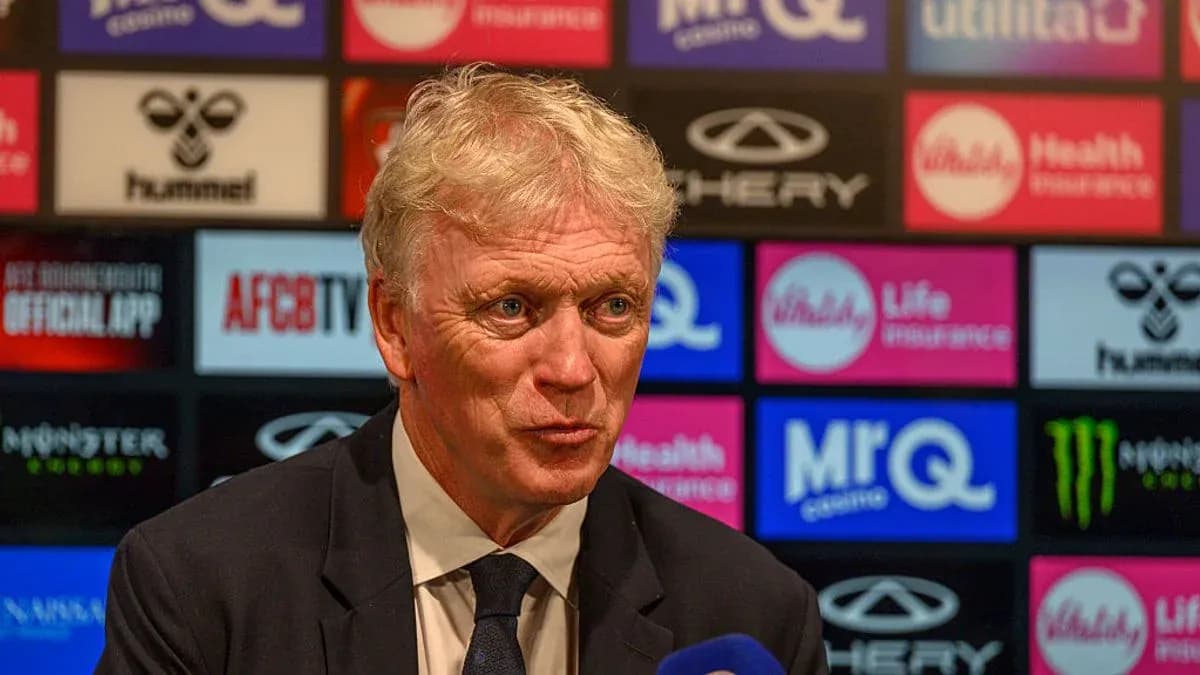
David Moyes cut a familiar figure: blunt, frustrated, and still defiantly looking forward.
The manager, speaking after a fraught transfer window, did not dress anything up. Asked how the summer had affected his ambitions for the season, he replied: “Not very well” – and admitted he had taken the window personally.
He believes his side overachieved last season. He wants them to do it again. But this time, he knows he will need help.
Window frustration and missed chances
“We’re disappointed we didn’t do more business, disappointed things didn’t go our way in the end,” Moyes said, summing up a window that promised reinforcement and instead delivered exits, near-misses and a lingering sense of what might have been.
On Folarin Balogun, whose move broke down after a medical issue, Moyes refused to point fingers. “It wasn’t anyone’s fault,” he insisted. These things happen, he argued; sometimes a player fails a medical and there is nothing more to it than that.
The manager also confirmed that the club had been open to generating funds. “It appears Everton were looking to get some money in and ultimately, those things were talked about,” he said, referring to discussions involving Armstrong. He did not want to lose Ndiaye, but accepted the reality of the market, recalling he had been here before with players like Wayne Rooney – big talents leaving before a project felt complete.
He was unequivocal on one rumour. Claims that Chelsea made a late bid for James Garner? “Completely untrue – there was no truth in that whatsoever.”
Garner, though, sits at the heart of Moyes’ dilemma. When players emerge as top performers, he said, you have to accept they will attract interest. His hope is simple: that Garner “keeps pushing on” as he did last season.
Alignment, ownership and the bigger picture
Beneath the surface of the window lies a broader structural question: are the manager, the board and TFG aligned?
Moyes did not pretend everything is seamless. For success, he said, they all need to be aligned. The club has new owners, still learning what it means to run a Premier League side. As they grow into that role, he expects the alignment to improve.
For now, he has had no conversations with TFG about their search for investment. His focus sits squarely on the squad in front of him and the gaps he still sees.
“I know what it looks like to build a squad for the PL,” he said pointedly. “Some things went against us, some things we could have done better.” He did not want to lose all the players who left. That, he admitted, is what happened.
Behind the scenes, though, he insists the mood remains strong. “Behind here there is a lot of positivity and a lot of confidence in how we started the season. I need to keep giving them the support and backing they need.”
Searching for goals, looking to the academy
The most pressing issue is obvious: goals. Or rather, where they are going to come from.
Moyes has already turned his gaze towards the academy, even if he is not convinced anyone is fully ready. He is “unsure” whether any youngster can truly step up right now, but accepts he may have to call on some of them this season.
Braiden Graham is the name on many lips. Moyes likes him. “I don’t think he is a striker, first of all,” he said, keen to frame expectations. Graham featured heavily in pre-season and is making progress, yet Moyes was clear: it would be tough for the youngster to be a reliable Premier League goal source this year.
Asked by Giulia whether there had been conversations with George or Johnson about supporting Barry, Moyes said no – not yet. He is locked in on the immediate job, but knows he will have to find solutions as problems emerge. Had he known the squad would look like this, he admitted, he would have tried some of those players up front in friendlies.
That is the kind of detail that stings a manager: the sense of a plan having to be rewritten on the fly.
Free agents and the promise of a platform
Moyes is open to the free agent market, but not desperate enough to grab bodies for the sake of it. Any signing, he stressed, must improve the team.
He also wants players who see the club as a platform – a place that can launch or enhance international careers. He namechecked Hackney and Branthwaite as examples of the type of profile he believes the club can attract and elevate: good enough to push for national-team recognition, hungry enough to grow with the project.
He knows the pitch he needs to make. He just needs the tools to back it up.
The crowd, United, and the road ahead
For all the boardroom talk and transfer frustration, Moyes kept circling back to one constant: the supporters.
He praised those who travelled to Bournemouth, thanking them for “showing their face”, and made it clear he will need that same backing when they face Manchester United. With a thinner squad than he wanted and a season that already feels like an uphill climb, the bond between team and crowd becomes even more important.
Moyes does not sound beaten. Irritated, yes. Bruised by the window, certainly. But he also sounds like a manager who believes he has enough spirit in the dressing room to fight, provided the club tightens its alignment and the stands stay loud.
He has seen squads built and broken before. He knows what a Premier League group should look like. The question now is simple: will the backing off the pitch catch up with the demands he faces on it?