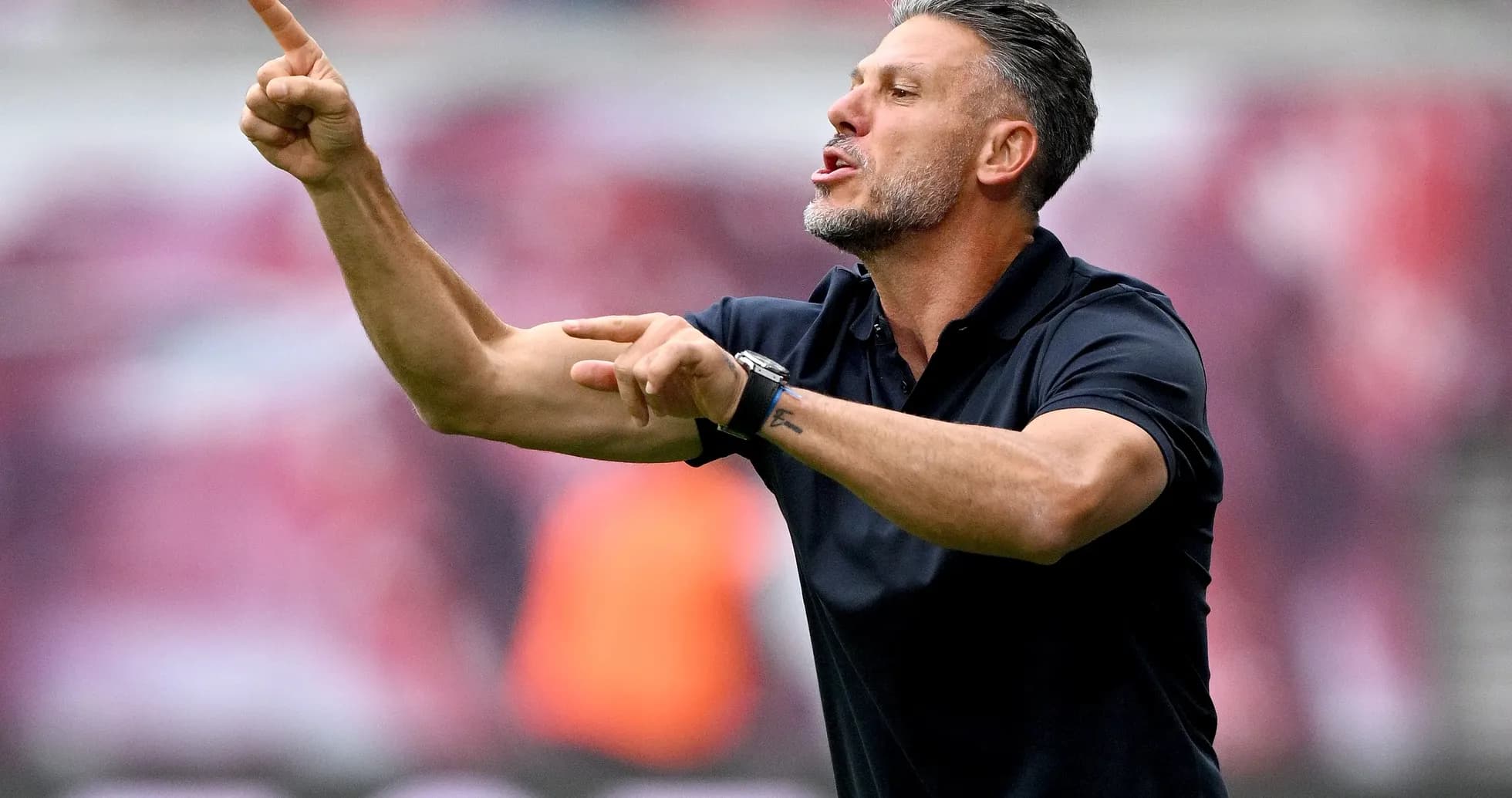
Demichelis Faces Pressure at Leipzig: Communication Breakdown
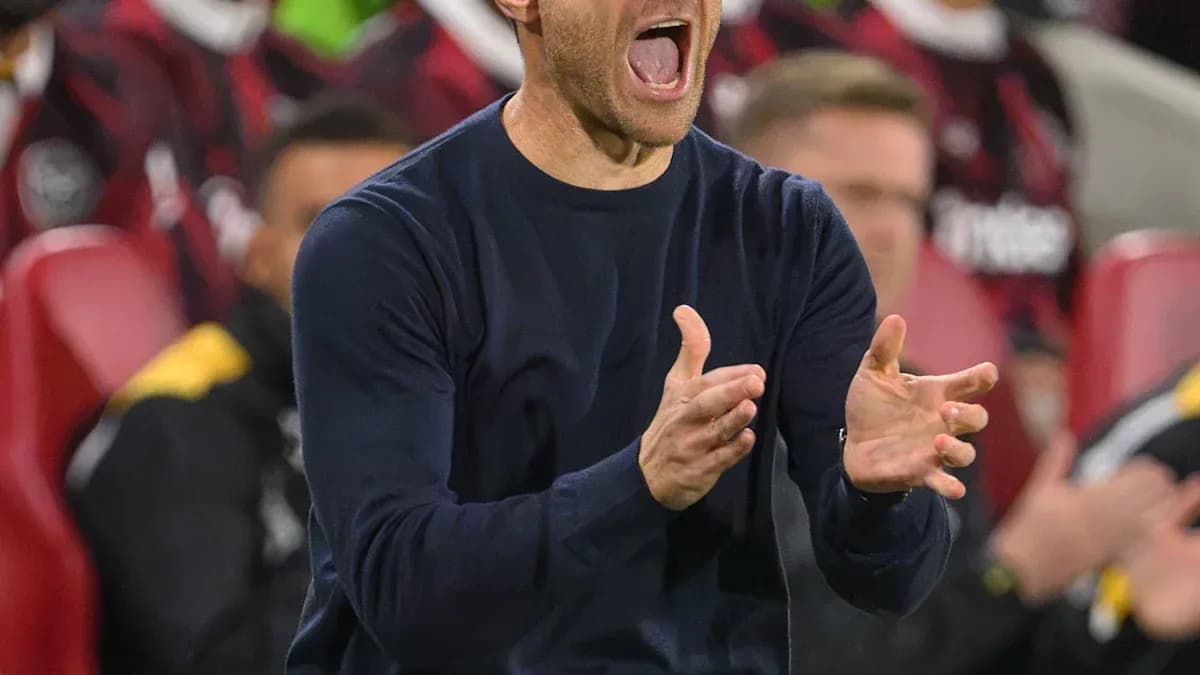
Martin Demichelis arrived at RB Leipzig in the summer as a statement appointment – a 45-year-old Argentinian with Bayern pedigree, brought in after the surprise dismissal of Ole Werner to push a third-placed side even higher. Instead, a few months on, the story around him is less about pressing triggers and possession chains, and more about something far more basic.
He can’t properly talk to his team.
Demichelis reportedly speaks neither enough German nor enough English to deliver his tactical instructions directly to the entire squad. In a Bundesliga dressing room that thrives on clarity and speed, Leipzig have built a strange, multi-layered communication structure just to get the coach’s ideas across.
Team manager Babacar N'Diaye translates for the French-speaking players. Goalkeeping coach Frederik Gößling relays the message in English. Assistant coach Cristian Fiél, the German-Spaniard, acts as a crucial bridge between Demichelis and the group. Several voices, one team talk.
The cost of that setup is becoming obvious. German players are said to regularly huddle afterwards, trying to piece together what their coach actually meant. By then, the heat of the original message has cooled. The rhythm is gone, the emotion diluted. The energy Demichelis wants to transmit from the touchline gets filtered, softened, broken up in transit.
Big ambitions, shaky foundations
Leipzig went into the season talking about taking the next step after last year’s third-place finish. A deeper Champions League run. A genuine tilt at the title. Instead, the early weeks have thrown up results that have rattled those ambitions and sharpened the focus on the man in the dugout.
The 1-3 league defeat at Werder Bremen stung. It wasn’t supposed to be a measuring-stick game; it became one. Then came the 1-4 collapse against FC Como 1907 in the Champions League, a night that turned concern into open criticism.
Demichelis did not pretend to be surprised by the scrutiny. “I know the rules. I know exactly that there is not that much time in football – especially not at a big club. If you don't win, everything is bad,” he said after the defeat in Como. It was the response of a coach who understands the business, but also one who knows his margin for error is shrinking.
Leipzig answered with a roar last weekend. A 5-0 demolition of HSV briefly changed the mood and gave Demichelis some breathing space. The performance looked like a team finally clicking, the kind of display that suggests the ideas are landing at last.
Yet the doubts have not disappeared. One emphatic win does not erase a pattern, and the question lingers: is this a turning point, or just a pause in the storm?
A club preaching calm – for now
Inside the club, the official line is stability. As the noise around Demichelis grew louder, sporting managing director Marcel Schäfer stepped forward last week with a clear message aimed at cooling the temperature.
He stressed that Leipzig would remain “calm, focused” and united. The support, he said, extends to “all employees, the team and the entire coaching staff.” The wording left no room for interpretation: Demichelis still has the backing of the hierarchy.
Schäfer also appealed for patience. This is a newly assembled team, he pointed out, one that needs time to develop its automatisms, its habits, its shared understanding. In theory, that is exactly when a coach’s voice must be at its strongest.
Yet even in his defence of the project, Schäfer did not gloss over reality. Recent results, he admitted, “do not meet our standards”. The club are addressing the situation “very clearly internally”, determined not to be blown off course by the current debate, but equally aware that the numbers on the scoreboard are not lying.
For Demichelis, it all amounts to a formal vote of confidence – and an unmistakable warning. The path is set, the backing is there, but the conditions are clear.
The communication between coach and squad has to become sharper, cleaner, more efficient. The performances have to convince, not occasionally, but consistently. If those two lines don’t move in the right direction together, Leipzig’s bold appointment could soon face the most unforgiving verdict of all: that a big project, in the end, was undone by something as simple and brutal as language.