Hansi Flick Breaks Barcelona's Age Record with Youngest XI
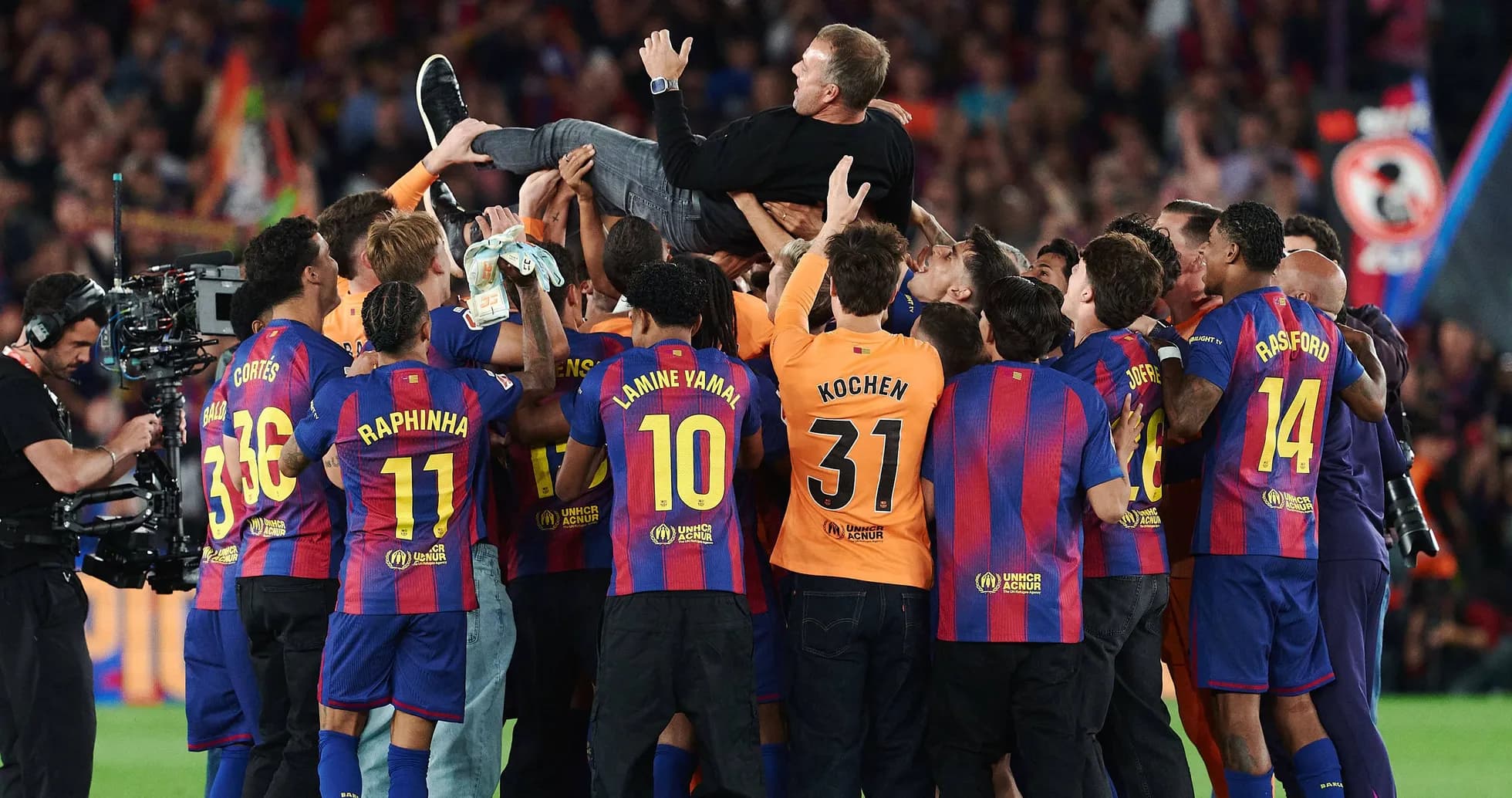
Hansi Flick didn’t just win a football match at the Spotify Camp Nou. He tore a page out of Barcelona’s history and rewrote it with fresh ink and even fresher legs.
On a night already humming with expectation, the German coach sent out the youngest home starting XI the club has ever fielded. Average age: 23.18. A 14-year-old record, gone in 90 minutes.
Flick steps into Guardiola’s territory – and passes him
Journalist Oriol Domènech confirmed what the numbers hinted at: this was the youngest Barcelona side ever to start at the Camp Nou. Not just any record, either. Flick’s team edged past one of the sacred benchmarks of the Guardiola era – the 2011 Champions League line-up that dismantled BATE Borisov.
Back then, Pep filled his side with academy blood and rotated stars in a group-stage dead rubber. This time, Flick did it as part of a defined plan, not a one-off experiment. Different context, same message: trust the kids.
Seven of his starters came from La Masia. Two more – Pedri and Joan García – are full Spanish internationals. Only Raphinha and Anthony Gordon were born outside Spain. The badge on the shirt said Barcelona; the birth certificates said this was as local as it gets.
One veteran, a wave of teenagers
The age breakdown tells the story better than any slogan.
Raphinha, born in 1996, stood out as the only starter from the 20th century. Around him, a squad built for the next decade, not the last one. Joan García, Eric García and Anthony Gordon belong to the 2001 generation. Gerard Martín and Pedri arrived in 2002. Fermín followed in 2003.
Then came the real jolt. Flick didn’t just dip into the 2007 pool. He jumped in.
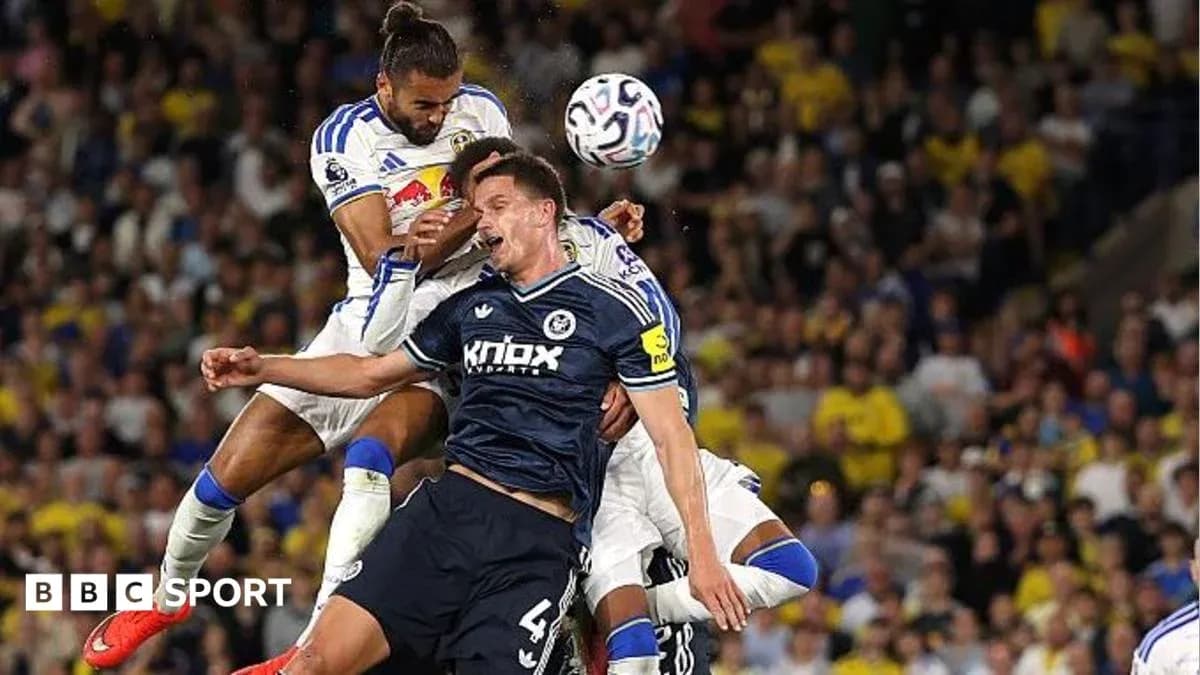
Pau Cubarsí, Marc Bernal, Xavi Espart and Lamine Yamal – four players born in 2007 – all started together. Not cameos, not late substitutions. Trusted from the first whistle at the Camp Nou, under the lights, in a stadium that has seen everything and still raised its eyebrows at that teamsheet.
This wasn’t cautious integration. This was acceleration.
Deco’s blueprint on the pitch
Strip away the emotion and the pattern is clear: this is Deco’s project, executed in real time.
Barcelona currently own the youngest squad in La Liga, tied with Levante, at an average age of 24.2 years. Across Europe’s top five leagues, only four clubs skew younger: Auxerre (23.6), Parma (23.4), Toulouse (22.5) and Strasbourg (22).
Eleven players in the squad are still under 20. Three of them – Lamine Yamal, Cubarsí and Bernal – already carry serious minutes at the highest level, none of them yet 19. They are not just prospects. They are pillars being laid in public.
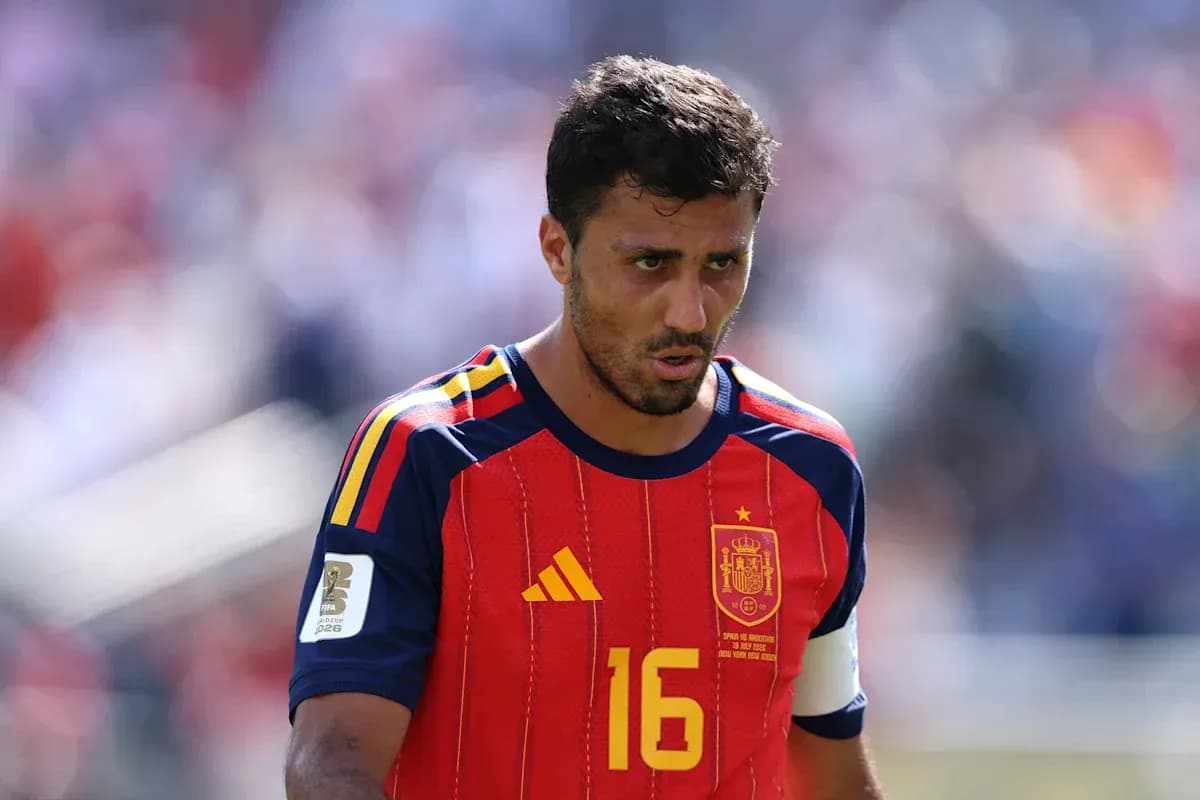
At the other end of the spectrum stand only five players over 30: Szczęsny (36), Cancelo (32), Livaković (31), Christensen and Rodri (30). Three of those arrived this summer, experienced scaffolding around a very young core.
Between the teenagers and the veterans lies what Deco calls the “middle class”. Anthony Gordon at 25 and Adeyemi at 24 give the squad a bridge – players young enough to grow, old enough to carry responsibility.
This is not a random cluster of academy promotions. It is a squad built with a clear age profile, and Flick is coaching like he believes in every line of that plan.
A new kind of historic night
To understand the scale of what Flick has done, you have to go back to December 2011. Guardiola, already a treble winner and the face of a footballing revolution, sent out five Barça B players – Bartra, Rafinha, Cuenca, Montoya and Sergi Roberto – in a 4-0 win over BATE Borisov.
That night became shorthand for the club’s faith in La Masia. For years, it stood as the benchmark: the moment when Barcelona’s academy trust reached its purest expression.
Now, that reference point has a rival.
Flick has not only broken Guardiola’s age record; he has done it with a team that reflects where Barcelona are in 2026 – financially constrained, talent-rich, and forced to turn to youth not as a romantic gesture, but as the most logical route back to the top.
The Camp Nou has seen eras built on big cheques and on homegrown brilliance. On this night, under Hansi Flick, it watched a different kind of gamble: a giant of European football leaning, almost completely, on teenagers and early twenty-somethings.
The question is no longer whether Barcelona will trust their youth.
It’s how far this generation can carry them.