Jessica Pegula's Historic Journey to Grand Slam Semifinals After 30
Jessica Pegula is running out of tomorrows. That’s what makes what she’s doing now feel so urgent, and so rare.
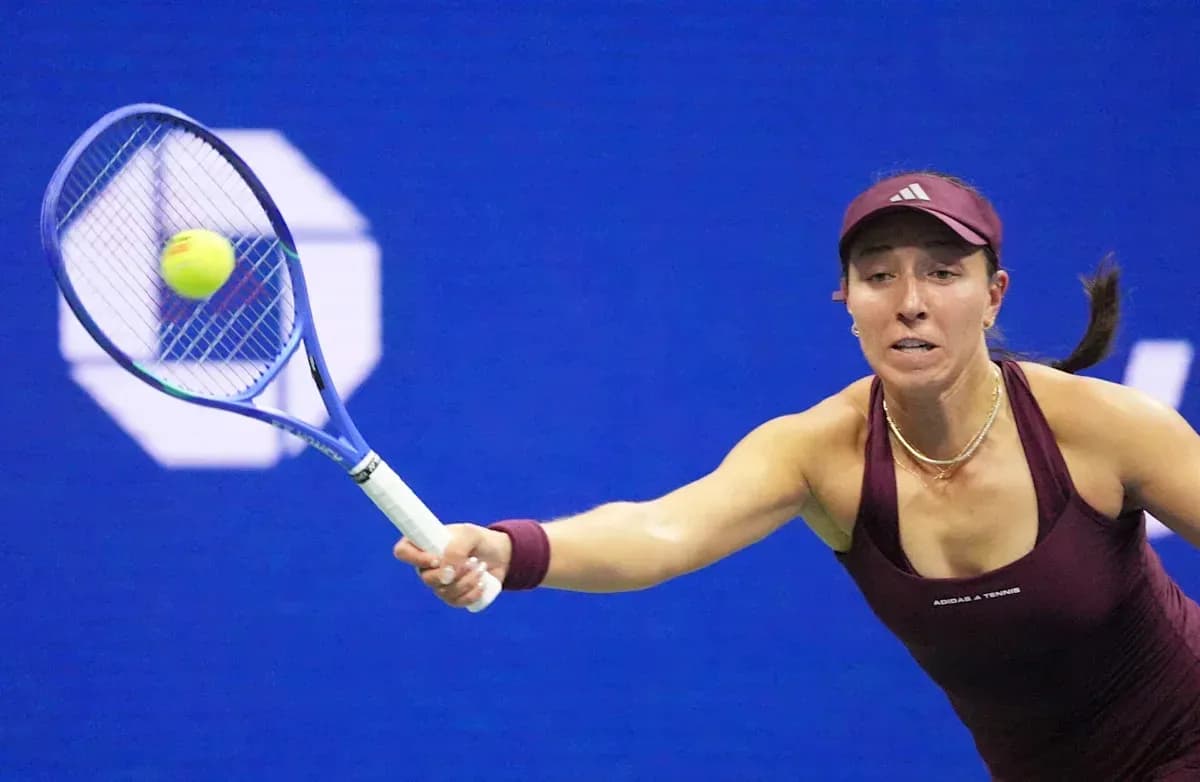
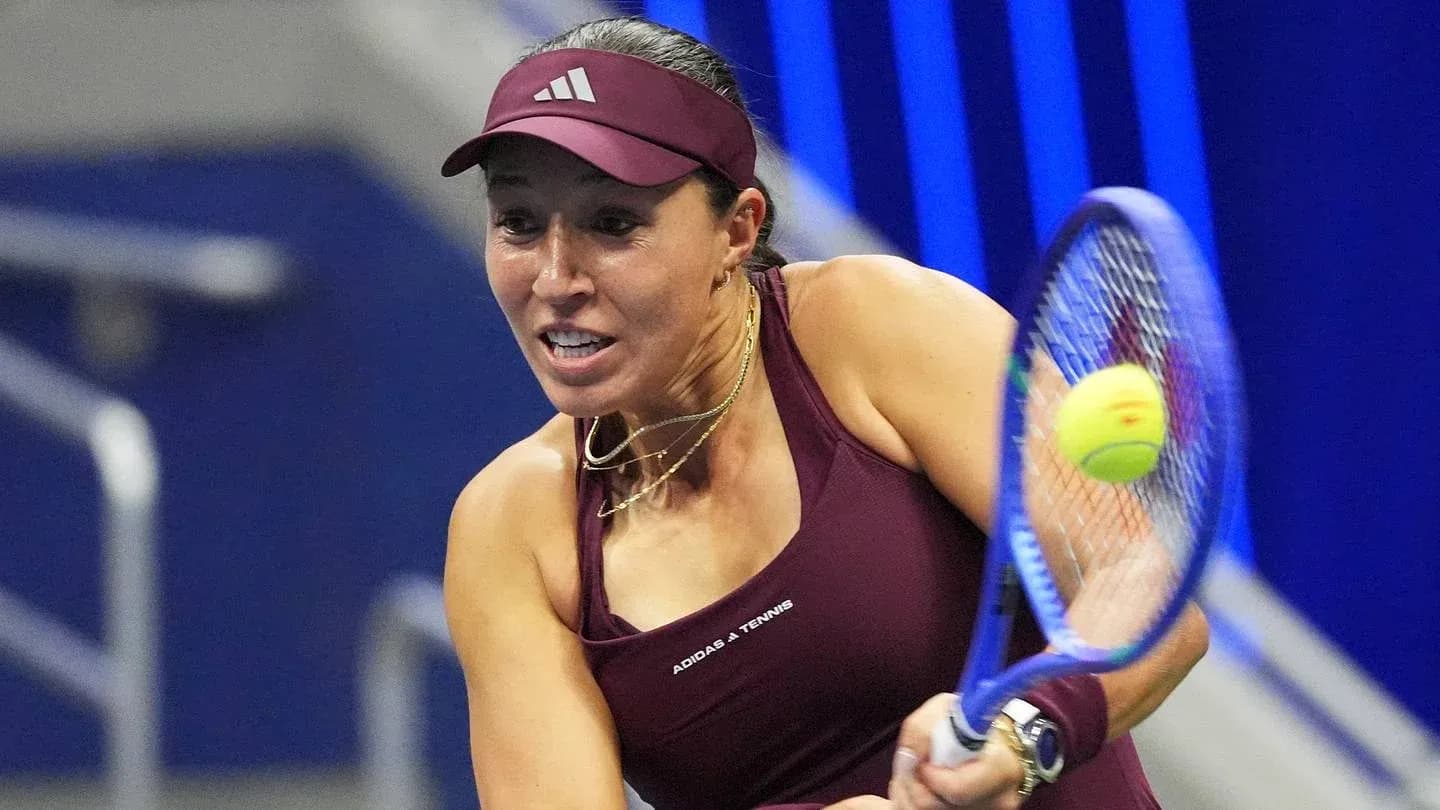
On Wednesday in New York, the 32-year-old American quietly stepped into tennis history. By reaching the US Open semifinals, she became the first player in the Open Era to reach her first four Grand Slam semifinals after turning 30. Not Serena. Not Venus. Not any of the late bloomers we thought we knew. Pegula, the player who spent years stuck at the quarterfinal ceiling, owns that record.
A Late Breakthrough, Under a Harsh Spotlight
Her breakthrough came late and fast. Pegula’s first major semifinal arrived at the 2024 US Open, just months after she turned 30. She didn’t just sneak in; she stayed long enough to play for the title. That run ended one step short of the trophy, a straight-sets loss to Aryna Sabalenka, 7-5, 7-5, in a final that underlined both how close she was and how much work still remained.
Twelve months later, she was back in the same city, the same stage, facing the same opponent. The 2025 US Open semifinal turned into another three-set tug-of-war with Sabalenka, and again Pegula walked off second best: 4-6, 6-3, 6-4. Same court, same round, same brick wall.
Her third shot came this January at the Australian Open. Different Slam, different continent, same pressure. Elena Rybakina stopped her there, 6-3, 7-6(7), in a tight, physical match that lasted an hour and 40 minutes and felt closer than the score. Pegula had her chances. Rybakina took hers.
And still, Pegula kept coming.
This week in New York, she carved out a fourth semifinal after 30, the run sealed with a comeback that summed up her entire career. Down a set and a break in the third against fellow American Emma Navarro, she refused to fold, turning the match around to win 3-6, 6-4, 6-3. It was her third consecutive US Open semifinal. It was also a reminder: if you leave the door open for her, she will walk through it.
“I Just Need to Get There Again and Win the Match”
Pegula has never hidden how heavy this climb has felt. The quarterfinals used to be her glass ceiling, and she was painfully aware of it.
“I’ve been [into major quarterfinals] so many friggin’ times,” she said earlier this year after finally reaching her first Australian Open semifinal. “I just kept losing, but to great players, I mean, to girls that went on and won the tournament... So I know everyone keeps asking me about it, but I don't know what else to do. I just need to get there again and win the match.”
That’s the tension that follows her now. She is not a surprise package. She’s a fixture in the second week, a known quantity, a player the locker room respects because she’s there every time the draw gets serious. The story is no longer about whether she belongs. It’s about whether she can finish.
A Career Delayed by Scalpel and Rehab
The record looks even starker when you remember how long Pegula’s body fought her.
A knee injury wiped her out from late 2013 to early 2015 and required surgery. She finally worked her way back, only to face another major interruption: hip surgery in January 2017 that cost her most of that season. While her peers built résumés in their early and mid-20s, Pegula was in operating rooms and rehab facilities, trying to keep her career alive.
Those lost years pushed her prime into a different timeline. Her peak arrived when many others are already fading. That’s how she ended up here: a 30-something setting “first” records usually owned by 20-year-olds.
In 2024, she became the oldest U.S. woman in the Open Era to reach her first major singles final. That alone would have been a neat trivia note. She’s turned it into something bigger, stacking deep runs, forcing the sport to rethink what late-career success can look like.
A Season That Refuses to Fade
Strip away the Grand Slam frustration and this season stands up against almost anyone’s.
Pegula entered this week’s semifinal with a 50-12 record in 2026, a mark of relentless consistency. She has already collected titles in Dubai and Charleston. On the North American hard courts, she reached the finals in Washington and Cincinnati, form that rolled straight into Flushing Meadows.
She hasn’t grabbed the one trophy that would change everything. But this is not the profile of a player hanging on. This is a top-tier contender, week after week, surface to surface.
Sabalenka Again, and the Clock Ticking
Her fourth semifinal set up a familiar and unforgiving test: a third straight US Open meeting with Sabalenka at the same stage. Pegula walked into that showdown trailing 4-9 in their career head-to-head, staring down the world No. 1 again with a place in the final on the line.
The matchup sharpened a question that has followed her for the past year: how much time does she actually have left to win a Grand Slam?
Pegula has been blunt about the horizon. On the Tennis Insider Club podcast, she said she doesn’t plan to play past 35 and has floated the 2028 Los Angeles Olympics as a possible final tournament. That’s not a distant, abstract date. That’s a clock, loudly ticking in the background of every major she plays.
At 32, with four semifinals on the board and one runner-up finish but no major title, every deep run now carries the weight of opportunity that may not come again. There are only so many more times she can put herself in this position. Only so many more nights under the lights in New York, Melbourne, Paris, London.
Jessica Pegula has already rewritten what a late bloom can look like in modern tennis. The next question is harsher, and simpler: in the time she has left, can she turn all this persistence into one perfect fortnight?