Kendry Paez's Journey: From Wonderkid to Cobham Next Gen
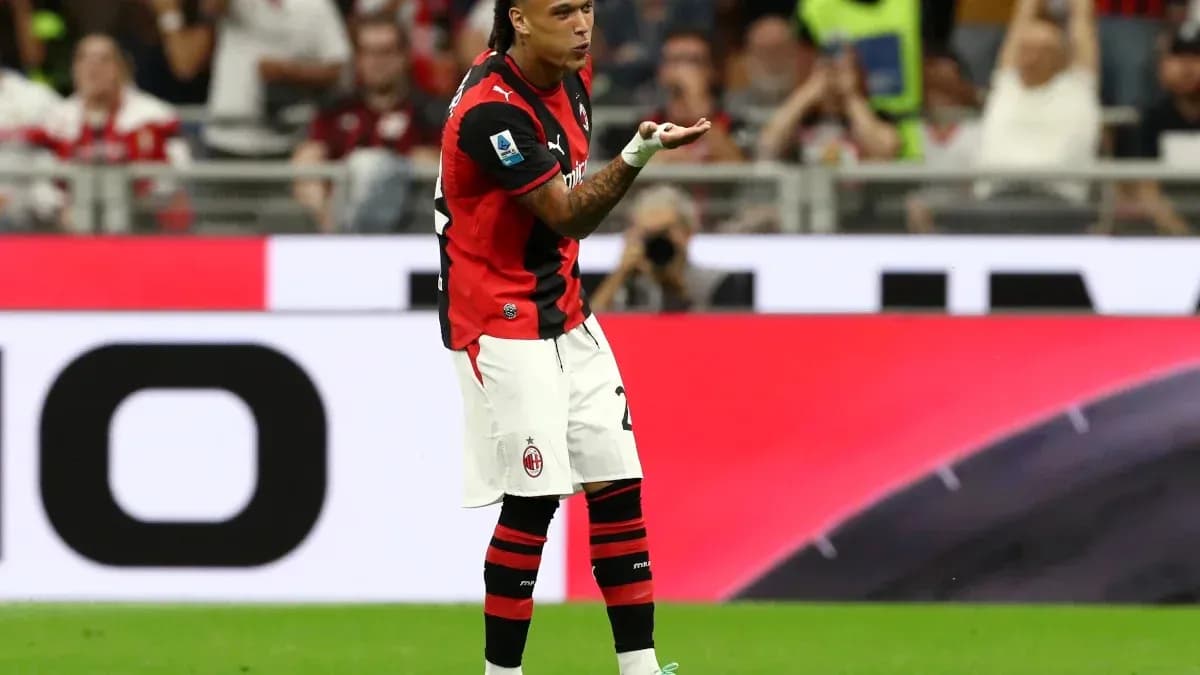
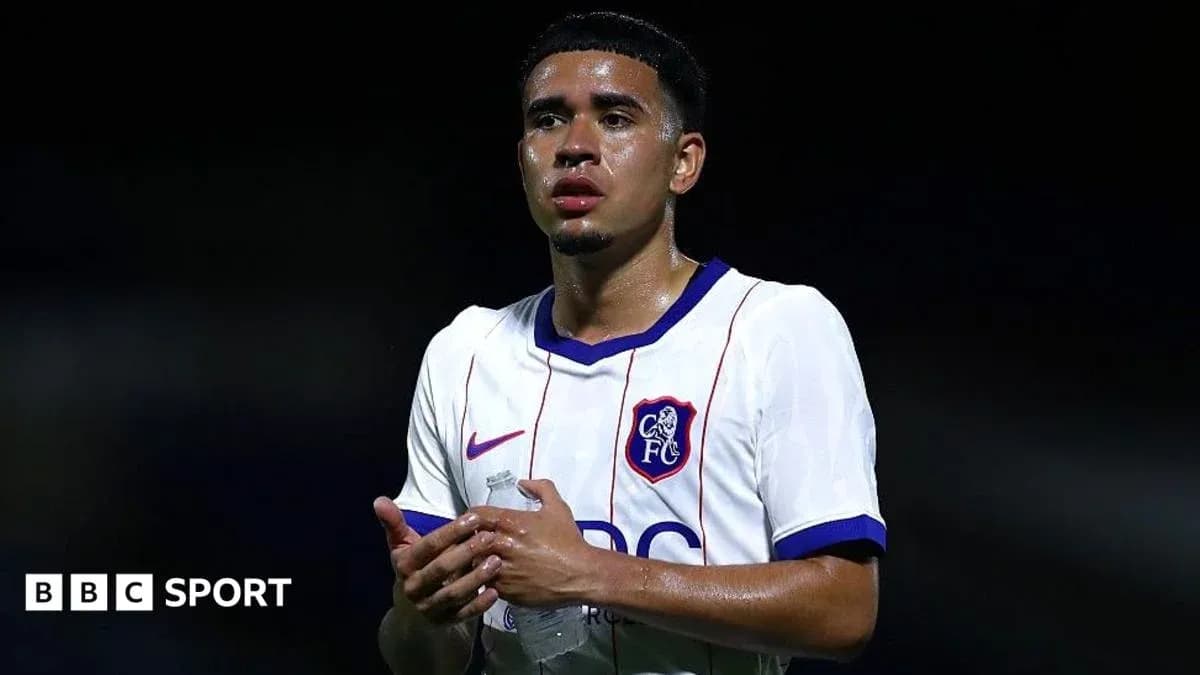
Kendry Paez finally wore Chelsea blue at the weekend. Not under the Stamford Bridge lights, not with the TV cameras rolling, but on a quiet afternoon for Cobham Next Gen, the club’s rebranded Under-21 side, away at Arsenal.
It was a long way from the fanfare that once surrounded his name. It was also exactly where his story now has to restart.
From wonderkid to waiting game
Chelsea committed £17.27m to sign Paez from Independiente del Valle back in 2023, when he was just 16 and already a headline act in Ecuador. He was supposed to be one of the crown jewels of their global talent project. A teenager who broke records for fun, then broke into a senior national team still dreaming of its next great star.
Now he is 19, coming on as a 12th-minute substitute for the Under-21s in a 4-1 win at Arsenal. The gap between expectation and reality could hardly feel starker.
The club’s new manager, Xabi Alonso, has already been blunt: Paez is “not in my plans”. On the Chelsea website, he appears as an academy player. Not a first-team option. Not yet.
Chelsea tried to find him a loan in English football, a bridge between the hype and the Premier League. Fifa rules shut that door. With all six international loan slots already used, they could not send him abroad again either. So Cobham, not Strasbourg or Buenos Aires, is now his base.
A teenager who grew up too fast
The hype was not invented. Paez earned it.
At 15, he became the youngest debutant and goalscorer in Ecuadorian top-flight history. He stepped into the Copa Libertadores before most players his age have finished school. A few months later, he was making World Cup qualifying history.
At 16 years and 131 days, he played his second game for Ecuador and became the second-youngest South American to appear in a World Cup qualifier, behind Diego Maradona. A month after that, he became the youngest South American ever to score in one, away to Bolivia in a 2-1 win.
By the time Chelsea agreed the deal, he had 18 caps and two international goals. The projection was obvious: this was a player who might sprint from prodigy to superstar.
Chelsea treated him like one. Before he could officially join, he trained regularly with the first team. When violence erupted in Ecuador in early 2024, the club stepped in, providing security for Paez, his family and the family of international team-mate Moises Caicedo. They invested money, time and protection.
Then the complications began.
Loans, criticism and a stalled rise
The first loan, to Strasbourg, started with promise. Paez won Ligue 1’s Young Player of the Month for September and looked like he had landed on his feet in France. The narrative shifted quickly.
Manager Liam Rosenior made his frustration public as the season wore on. “We expect more, clearly,” he said. “I’m tired of using the excuse of the player’s youth.” The words cut through the noise around Paez. The numbers told their own story: one goal in 21 appearances.
Despite Strasbourg’s ownership link to Chelsea, the loan ended early.
River Plate came next. A two-year deal to one of South America’s giants sounded like a fresh stage for a player who had once lit up the continent. It never truly caught fire.
Sources in Argentina questioned his attitude and pointed to a flat display in the Superclasico defeat to Boca Juniors at the Monumental in April. Soon after, club president Stefano Di Carlo listed Paez among 15 players training away from the first team. Some inside the club felt he had not been given enough chances; others felt he had not taken the ones he had.
The outcome was brutal in its simplicity: one goal in 14 games, 461 minutes in total, and another loan cut short by mutual consent.
Off the pitch, the picture blurred further. While on international duty, Paez was filmed in a New York strip club. In Ecuador, where he had been framed as the country’s next great attacking talent, concern began to harden into anxiety.
Michel Deller, owner of Independiente del Valle, summed up the mood to Hincha Amarillo: “He’s like a son to us. We care about him deeply. He’s a good kid who’s had a tough time and has made decisions that have complicated his life. We are always hopeful he’ll show his exceptional talent once again but right now, it’s up to him to decide what to do with his life.”
A fragile restart at Cobham
Chelsea and those around Paez do not dismiss those worries. They also insist the narrative has swung too far. This, they argue, is still a teenager trying to grow as both player and person, one who deserves time rather than a verdict.
For now, time looks like an EFL Trophy tie away to Wycombe Wanderers, in front of 778 fans.
On Tuesday night, Cobham Next Gen lost there. Paez, playing as a right-sided No 10 in a shape mirroring Alonso’s back three, drifted through most of the game on the edges. He joined the warm-up but often stood apart, a Spanish-speaking outlier in a young group that has grown up together.
Then, late on, came a flash of the player Chelsea thought they were buying.
From a short corner, he whipped in an outswinging cross that Harrison Bettoni tapped in during added time. Another cross in the dying moments caused chaos as Chelsea chased an equaliser. It did not come, but the cameo mattered.
For Paez, it was a small but badly needed reminder that his left foot can still change games.
A career not yet lost
Strip away the noise and the numbers still carry weight. Paez is not Chelsea’s youngest player, but he has already played 70 times for Independiente del Valle and has more than 100 senior appearances to his name. Few 19-year-olds in Europe can say the same.
That experience is one of the reasons Chelsea have not given up. Back at Cobham, they see a more stable environment, a routine, familiar faces. They like his attitude since returning. Family members watched him at Wycombe. The club can now track every training session, every touch, every decision.
Academy games at Chelsea are rarely quiet affairs. Scouts from across the English Football League and beyond attend regularly. Every minute Paez plays is a live audition.
Inside his camp, there is cautious optimism. If he performs between now and the winter window, a first loan in English football could finally arrive in January. Alternatively, if one of Chelsea’s six international loan slots frees up, another move abroad could be on the table.
What happens next is no longer about YouTube compilations, record-breaking debuts or breathless comparisons. It is about whether Kendry Paez can reconnect with the form that once made him one of South America’s most coveted young talents – and prove that this detour at Cobham is a turning point, not the start of a slow fade.