Lakers Explore Trade for Stretch Big Noah Clowney
The Los Angeles Lakers are still shopping.
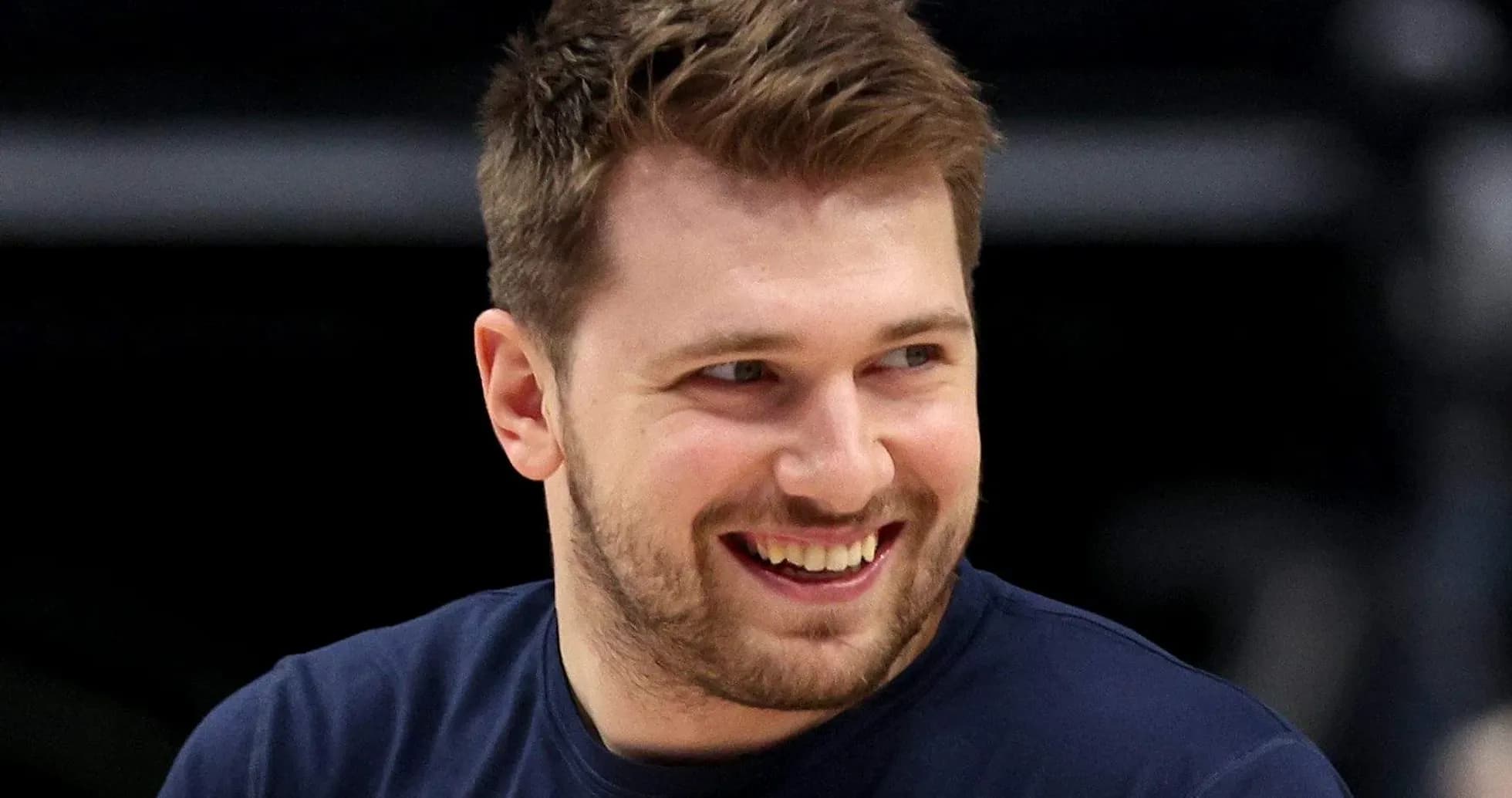
With the franchise pivoting into a Luka Doncic era and the 2026-27 season looming as a line-in-the-sand campaign, the front office continues to probe the market for help anywhere on the spectrum — from star power to steady rotation pieces. The starting core is largely in place. The margins are where this roster will be won or lost.
One proposed three-team deal offers a very particular kind of help.
A Three-Team Swing for a Stretch Big
In the scenario being discussed, the Lakers, Brooklyn Nets and Los Angeles Clippers all move pieces:
- Lakers receive: Noah Clowney and a 2033 second-round pick (via LAC)
- Nets receive: 2031 and 2032 second-round picks (via WAS)
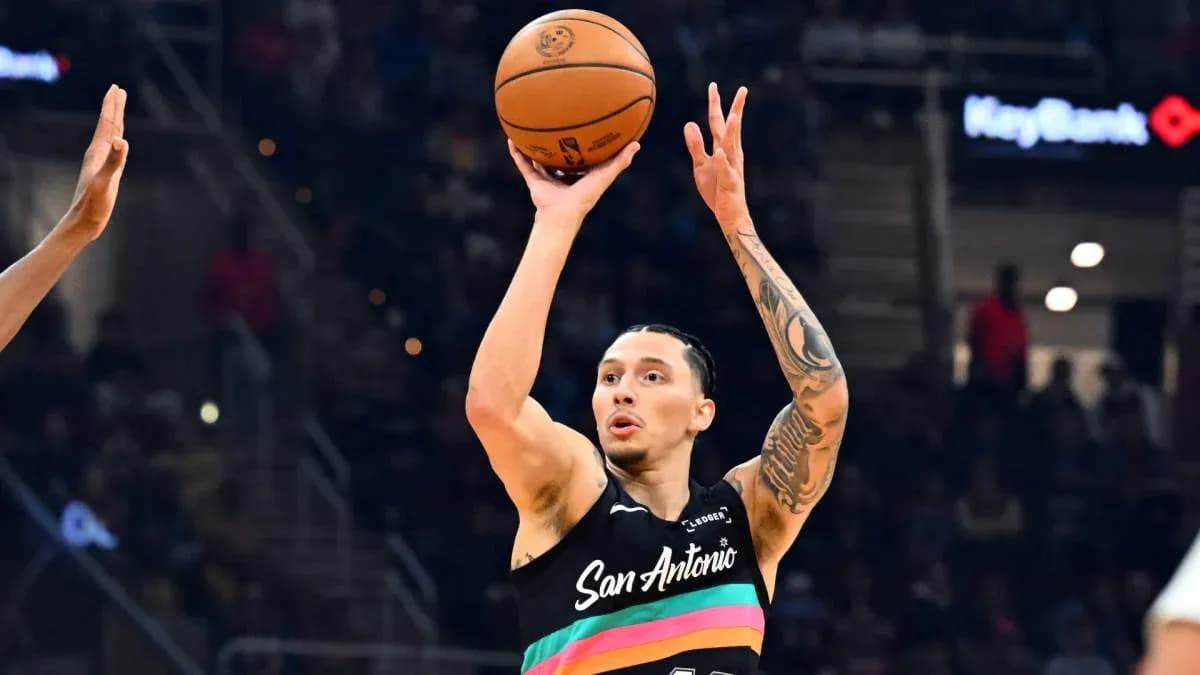
- Clippers receive: Dalton Knecht
On the surface, it’s a modest move. No first-rounders. No All-Stars. But for a Lakers team thin in the frontcourt and intent on surrounding Doncic with length and shooting, Clowney checks a lot of boxes.
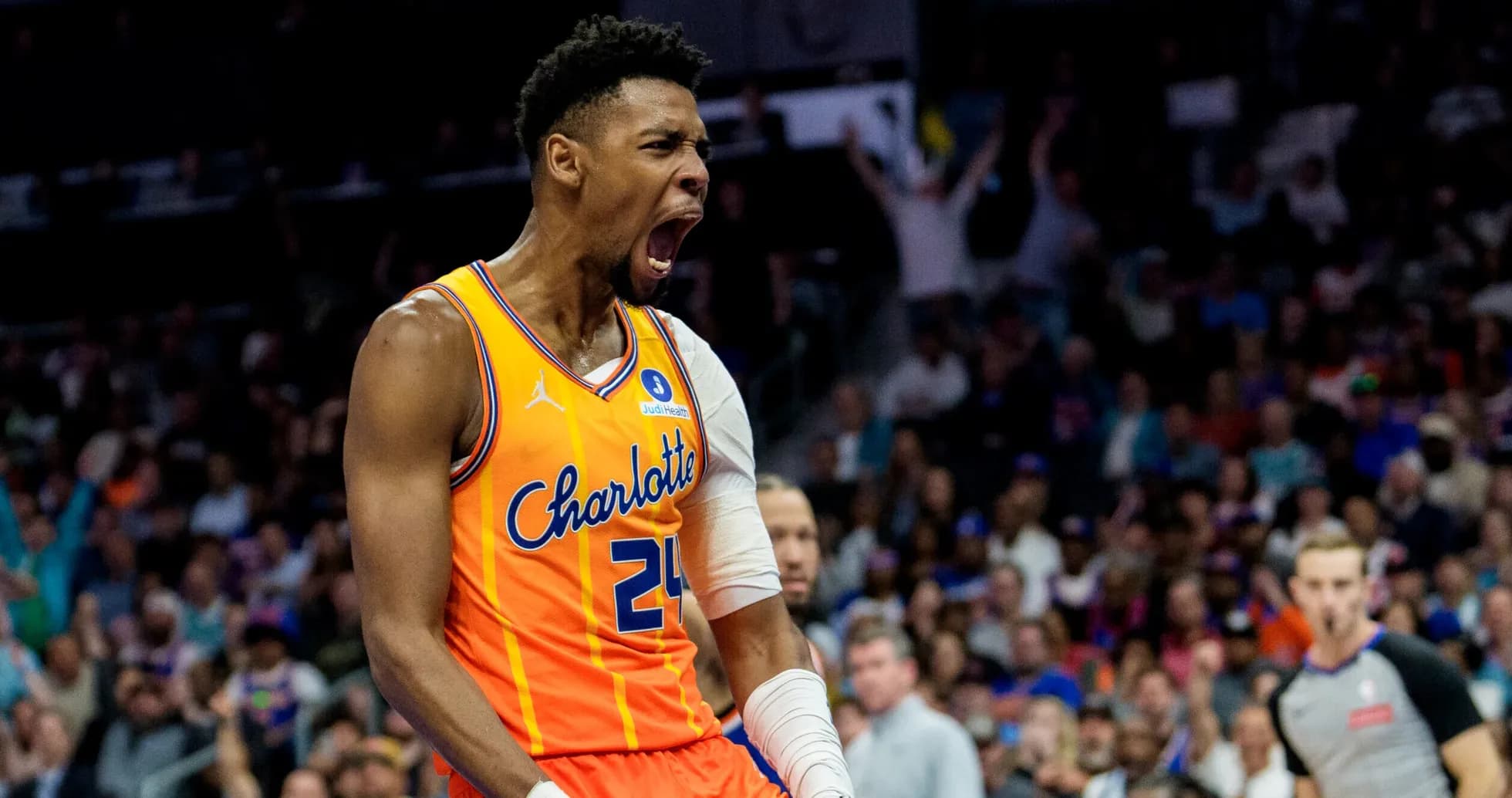
At 6-foot-10, the 22-year-old profiles as the modern stretch big every contender covets. He spaces the floor, runs, jumps, and doesn’t need the ball to impact a game. For a Lakers rotation that has leaned heavily on veterans and short-term fixes, a young, cost-controlled big with real upside is not a luxury. It’s a need.
Cap Math and Calculated Risk
Financially, this is the kind of deal a tax-conscious contender can stomach.
Clowney is slated to earn $5.4 million this coming season. Knecht, the outgoing rookie wing, is at $4.2 million. The salaries don’t line up perfectly, nudging the Lakers close to negative tax space, but the gap is small enough to keep the move realistic.
From Los Angeles’ perspective, the calculus is straightforward: Knecht is a promising scorer, but he arrived a year later than Clowney and faces a much steeper path to minutes on a win-now roster. On a team built around Doncic, developmental wings often find themselves trapped in single-digit-minute roles, squeezed by the urgency of the moment.
Clowney, by contrast, already knows what it means to carry rotation responsibility. He’s logged consistent NBA minutes on a Brooklyn team that could afford to let him grow through mistakes. That experience matters to a contender that cannot.
The Lakers would be giving up two future second-round picks to Brooklyn and effectively turning Knecht into Clowney plus a distant 2033 second-rounder. It’s not a blockbuster, but it’s the kind of surgical move that can quietly reshape a bench.
Brooklyn’s Dilemma
For the Nets, the decision cuts deeper than the box score.
They need to trim the roster and face a looming contract call on Clowney. He’s heading toward restricted free agency next summer, and Brooklyn’s flexibility to offer a meaningful extension is limited. Lose him for nothing, or cash out now for future seconds and clarity?
That’s the tension.
Clowney just delivered the kind of season that makes this choice painful. He started 60 of 66 games, averaged 12.3 points, 4.1 rebounds and 1.6 assists, and posted career highs across the board, including minutes. He didn’t just flash potential — he held down a starting job.
At 22, with a full season of starter reps behind him, a breakout year feels close. Brooklyn can bet on that upside and wrestle with the cap later, or they can step away early, secure draft capital, and avoid the risk of losing him for a minimal return in restricted free agency.
If they believe last season was a springboard, not a peak, the temptation to keep him grows. If they’re unsure they can or should pay him, this type of trade starts to make uncomfortable sense.
A Fit Tailored to Luka Doncic
For the Lakers, the attraction is obvious.
Clowney offers a blend of skills that fits seamlessly next to Doncic. He can stretch the floor, drag opposing bigs away from the paint, and then flip the script by diving hard to the rim as a lob target. Put a primary creator like Doncic on the ball, surround him with shooting and vertical spacing, and the offense opens up in layers.
Clowney’s agility turns him into a matchup problem. Against traditional bigs, he can run the floor, attack closeouts, and force heavier defenders into space they don’t want to defend. Against smaller lineups, his length and mobility become a cheat code on both ends.
He’s not just a standstill shooter. The young forward can put the ball on the deck, generate his own looks, and isn’t shy about going to his “do-it-yourself kit,” as Mark Jones would say. That kind of self-creation from a 6-foot-10 big is exactly the sort of secondary weapon that punishes defenses loading up on a superstar.
And the price tag matters. Clowney is still a low-cost piece with years of team control ahead of him. For a franchise trying to thread the needle between contention and sustainability, that’s gold.
Win-Now vs. Patience
This is where the deal crystallizes.
Contending teams rarely have patience for young depth pieces. Prospects either hit fast or get moved. The Lakers, though, would be acquiring a player whose developmental curve has largely played out on someone else’s time.
Brooklyn did the slow work. Clowney climbed from raw prospect to full-time starter in his third year. Los Angeles would be stepping in just as he enters the sweet spot: young enough to grow, seasoned enough to trust.
Dalton Knecht, for all his scoring talent, is at the beginning of that road. On a different timeline, the Lakers might lean into his potential. On this one, with Doncic in his prime and the franchise pushing hard at the top of the West, the front office is far more likely to prioritize ready-made contributors.
That’s the quiet truth behind this proposal: it’s not just a swap of young players, it’s a swap of timelines.
If the Lakers pull the trigger and land Clowney, they won’t just be adding another name to the depth chart. They’ll be betting that a 22-year-old stretch big, already tested as a starter, can grow into a long-term pillar beside Luka Doncic — and that this is the kind of move that keeps their window open a little longer.