Madison Keys Celebrates 15th US Open with Victory
On a day when the US Open schedule dissolved into a blur of umbrellas and delay announcements, Madison Keys had something far rarer in New York: certainty.
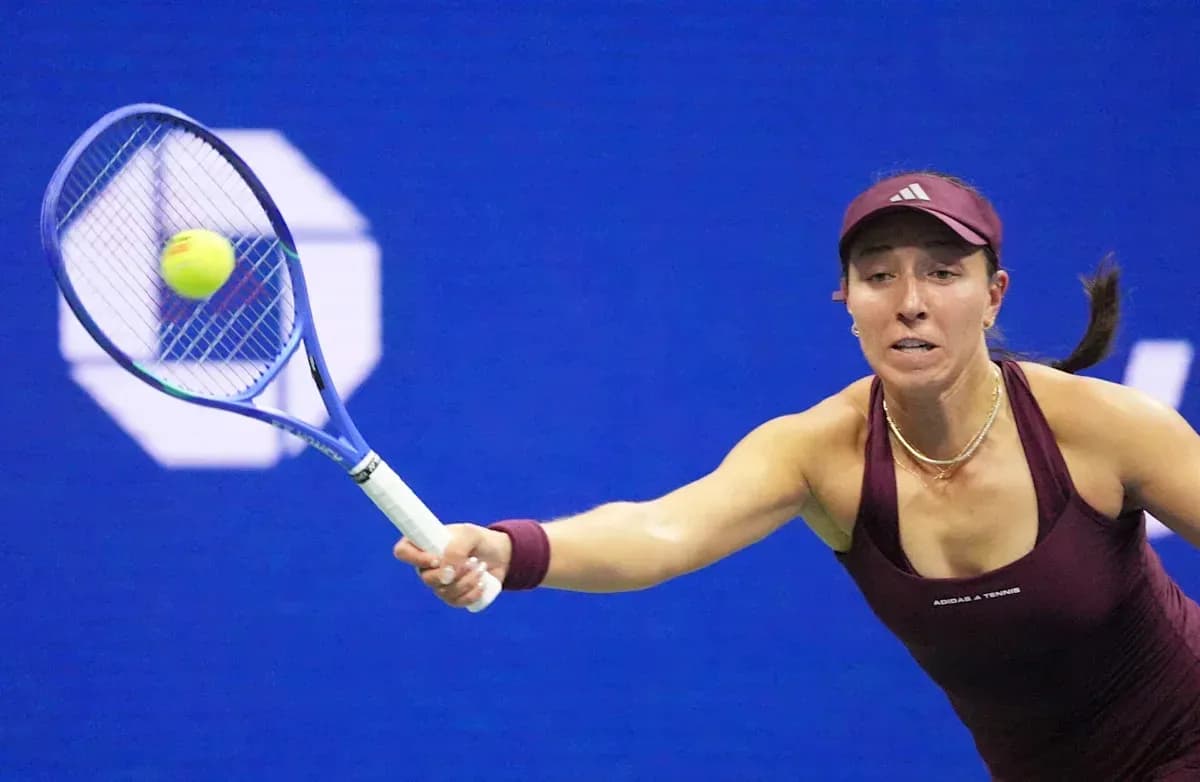
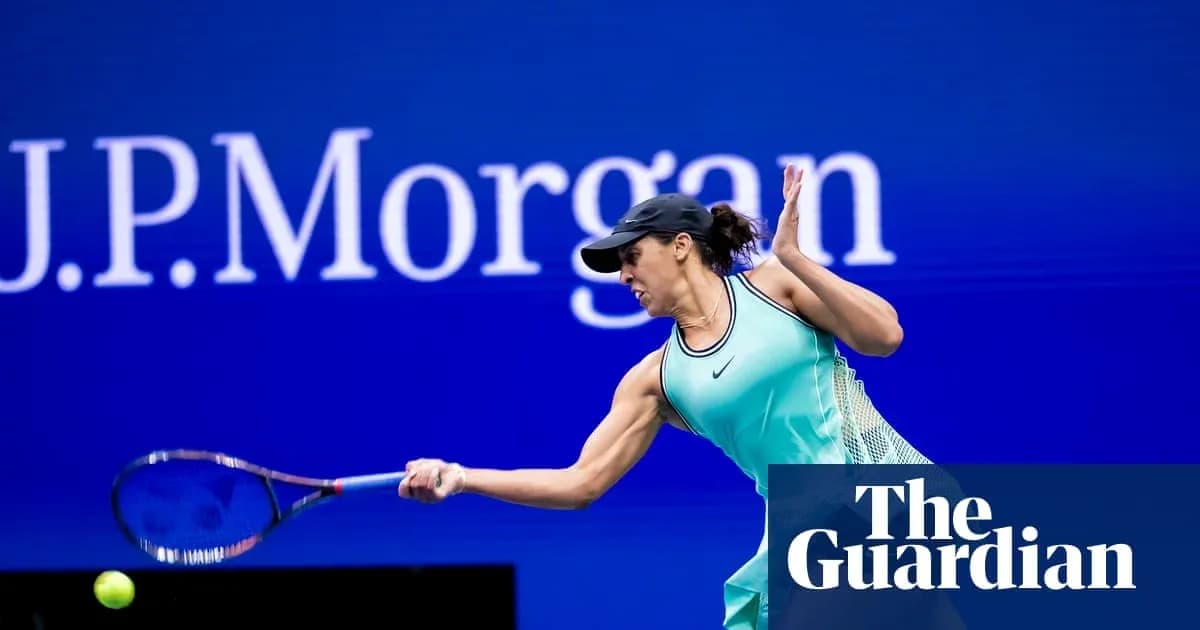
While most of the field sat and waited for the weather to clear, Keys walked into Arthur Ashe Stadium, closed the roof over the chaos and quietly took care of business. A 7-5, 6-4 win over 17‑year‑old Alina Korneeva sent her into the second round and gave shape to a tournament that already feels loaded with meaning for her.
This is Keys’s 15th US Open. Fifteenth. At 31.
She turned professional on her 14th birthday back in February 2009. Now, as the 2025 Australian Open champion, she finds herself looking back at a life that has been almost entirely lived inside this sport.
“I was thinking a little bit more about it just because the last couple of days everyone keeps reminding me that it’s my 15th US Open, which doesn’t feel possible because I’m so young,” she said, laughing, after the win.
The joke landed, but the reflection behind it runs deeper. Keys talked about the strange gift of having started so early, how she was thrown into the tour before she really understood what any of it meant, and how that innocence shaped her. She has grown up on this circuit, she said, evolving as a person while doing, essentially, the same job year after year.
Performance
On Monday, that experience showed. There were no fireworks, no wild momentum swings, just a solid, composed performance against a dangerous teenager who has already been tagged as one of the next big things. Keys managed the big points, leaned on her first serve when she needed it, and kept Korneeva at arm’s length whenever the Russian threatened to break through.
The win also carried a quiet sense of relief. Twelve months ago, on these same grounds, Keys walked out in the first round to the world No 82 Renata Zarazúa, one of her more jarring defeats in New York. She knows how quickly a slam can spit you out.
That knowledge colours everything in week one. Keys described the locker room in the days before play starts: the fake calm, the nervous jokes, the way the tension thickens as the first-round matches creep closer.
“You can kind of feel [the tension] as the days are getting closer,” she said. “Everyone gets here, you have a week, everyone is excited to be here, and then as the days are slowly getting closer to first rounds, rackets are maybe getting a little slippery, you can hear more yelling happening, and you can kind of feel the tension.
“I think collectively we all just get really anxious. We’re probably feeding off of each other as well, but we all want to do well. It all feels like I think the buildup is always so hard, just because you’re so in it and you’re anticipating the tension that’s going to happen and the anxiety that’s going to happen. So it’s definitely very relevant and very real.”
On a soaked opening day, with players pacing hallways and peering out at puddles, that anxiety only grows. Keys, sheltered under the Ashe roof, cut through it.
Rybakina’s March Toward No 1
Across the grounds, Elena Rybakina also made a clean, decisive start to a fortnight that could redefine her career.
The Wimbledon champion eased into the second round with a 6-3, 6-2 win over American wildcard Thea Frodin, a 17‑year‑old making her main-draw debut. No drama, no hint of the foot injury that forced her to retire from her Cincinnati quarter-final against Iga Swiatek. Just the kind of crisp, businesslike performance you expect from a player circling the top spot in the rankings.
The stakes for Rybakina in New York are clear. She sits at No 1 in the live rankings and will become the official world No 1 for the first time if she reaches the semi-finals and, crucially, if Aryna Sabalenka, Jessica Pegula and Coco Gauff all fall short of the title.
It’s a narrow path, but it’s there. On Monday, she took the first step without flinching.
Cobolli Digs Himself Out of a Hole
If Keys and Rybakina offered control, Flavio Cobolli delivered chaos and survival.
The fifth seed in the men’s draw and this year’s French Open finalist looked to be heading for the exit in his opening match, trailing Francisco Comesaña by two sets and struggling to find any rhythm. On a different day, in different conditions, he might have gone quietly.
Instead, he turned the match on its head.
Cobolli clawed back to win 3-6, 2-6, 6-3, 6-4, 6-4, one of the best comebacks of his career and a reminder of the stubbornness that carried him to Roland Garros in June. The Italian tightened up his baseline game, cut down the errors and started to dictate, forcing Comesaña to hit one more ball, then another, then another.
The rain kept falling. The schedule backed up. Players waited.
Inside Ashe, Keys stepped into her 15th US Open like someone who has seen all of this before and still wants more. On the outer courts, Rybakina and Cobolli began their own campaigns with very different kinds of statements.
Day one didn’t answer any big questions about this tournament. It did something else: it told us who was ready to live with the tension.