Manchester United's Defensive Woes Continue in Draw Against Everton
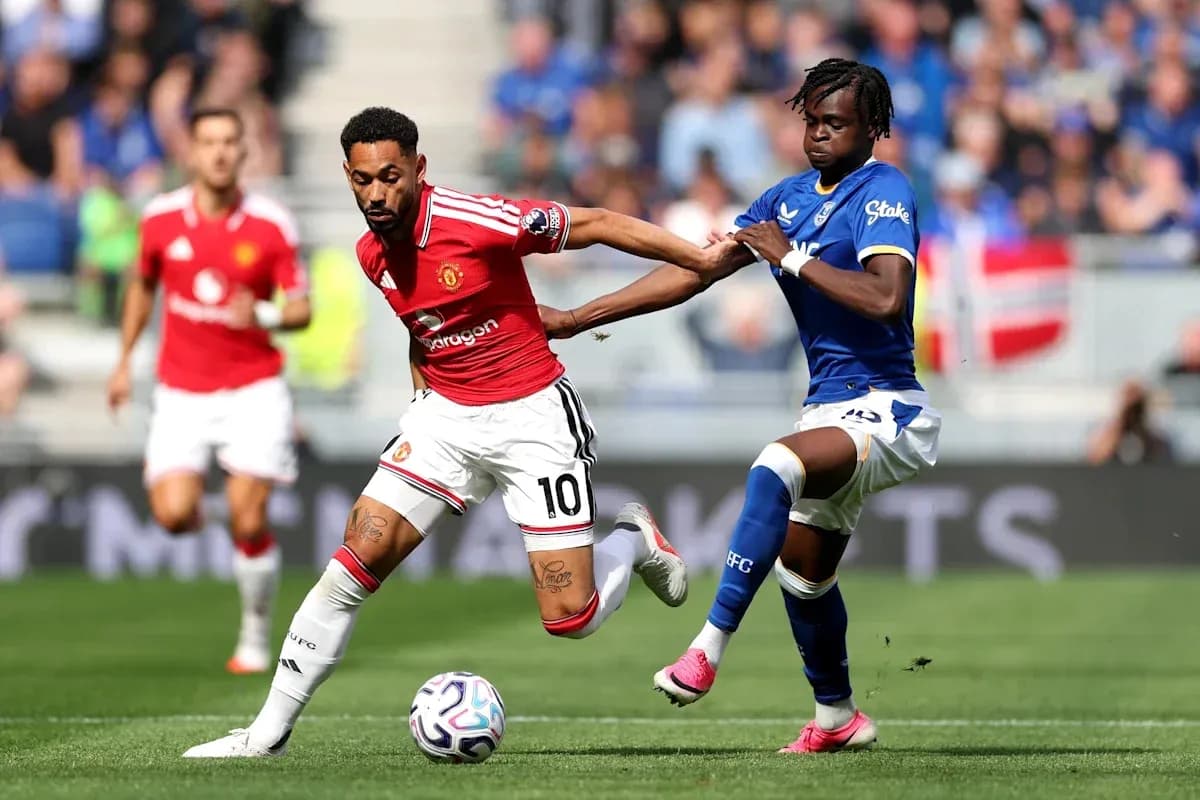
Manchester United walked out of Goodison Park with a 2-2 draw and the familiar sting of a job half-done. Twice in front. Twice pegged back. A point on paper, but it felt like something far more troubling: a pattern.
This was a game that showcased plenty of what Michael Carrick’s side can be with the ball. It also underlined, in brutal fashion, what they still are without it.
Attacking promise, missing punch
United’s forward play carried more fluency than in their opening two league outings. The movement was sharper, the combinations cleaner, and the three creative forwards knitted attacks together with intent. They found spaces between the lines, dragged Everton’s defenders around, and twice struck after restarts to tilt the game their way.
But everything good stopped short of ruthlessness.
Moves broke down in the final third with no one attacking the six-yard box aggressively enough. Crosses flashed through dangerous areas with nobody gambling. United lacked a true penalty-area presence, the kind of striker who lives off those half-yards and ugly finishes.
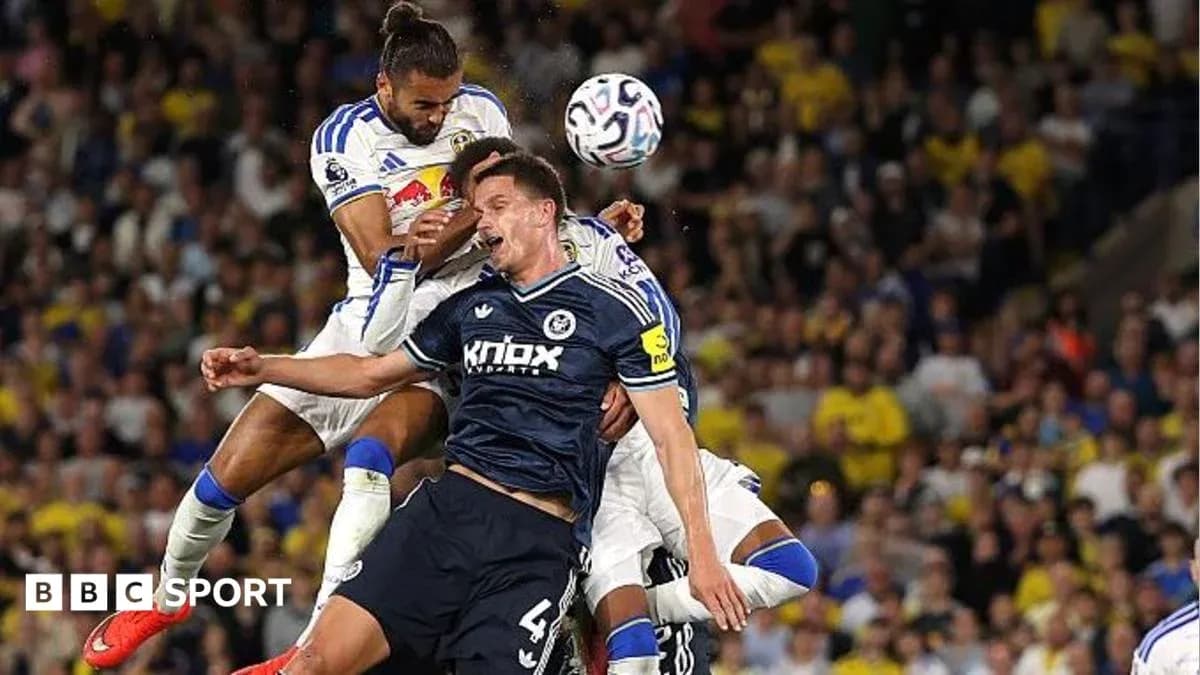
Benjamin Sesko’s late header, glanced in from a Luke Shaw cross in the 88th minute, looked like it would be the decisive moment. It was the sort of run and finish United had been crying out for all afternoon. His return to fitness offers one answer. Bryan Mbeumo stepping back into a central role could be another. There is also the lingering absence of Amad on the right, a loss that has forced Carrick into imperfect solutions. Shea Lacey is not yet ready to shoulder that responsibility, and Matheus Cunha on the right wing does not appear to be a route the staff are willing to take.
United are creating. They’re just not killing. And when you don’t kill, you invite trouble.
A back four that never settles
Trouble, in United’s case, keeps turning up in twos. Two goals conceded to Hull City. Two to Ipswich Town. Two more at Everton. Six shipped in three games, with the latest pair arriving against a side that has hardly been free-scoring.
The numbers are no longer an early-season quirk. They’re a warning.
Luke Shaw, at least, showed signs of life. After two shaky performances at left back to start the campaign, he delivered a much-improved display. He blocked shots, overlapped Marcus Rashford with purpose, and sent in several dangerous crosses, one of which Sesko buried and briefly turned into what looked like a winner.
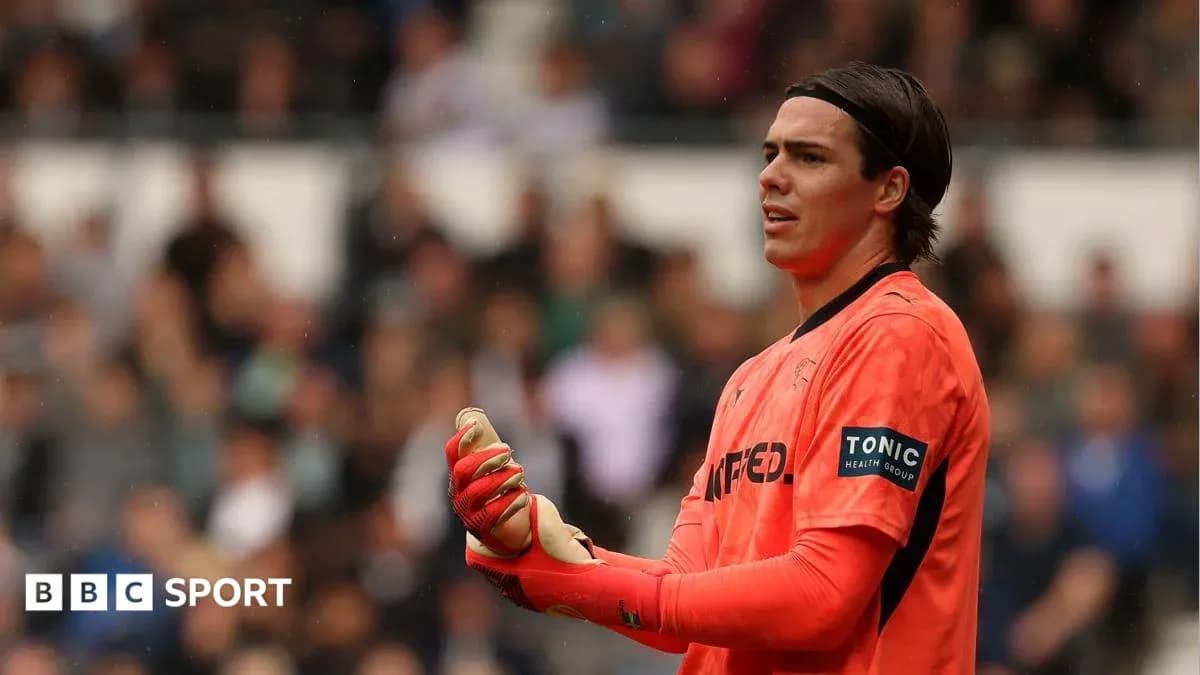
Yet even Shaw’s afternoon came with a sting. For Tyrique George’s 83rd-minute equaliser, he drifted too far inside, leaving George the pocket of space he needed to whip a vicious strike into the near-post top corner. Arne Lammens got a hand to it but couldn’t keep it out. Both will feel they could have done better.
They were not alone in their regrets.
Harry Maguire, Lisandro Martinez and Diogo Dalot all laboured. As a unit, the back line gave Everton far too much encouragement. Maguire was fortunate when Thierno Barry failed to keep his 42nd-minute header down, a chance that should have punished United’s slack marking. Dalot’s attempted clearance in first-half stoppage time went straight to Jarrad Branthwaite, who fired directly at Lammens when he should have made him pay. Later, a mishit Dalot cross in midfield forced Shaw and Martinez into a desperate recovery sprint to block Brennan Johnson’s effort over the bar.
These weren’t isolated lapses. They were symptoms of a line that never truly looked in control.
Sitting deep, paying the price
The tactical picture after the break was even more concerning. Protecting a 1-0 lead for most of the second half, United sank deeper and deeper, almost inviting Everton to dictate the tempo. The visitors stopped hunting the ball, stopped stringing passes together, and allowed wave after wave of pressure.
If you sit that low and surrender that much territory, you’re asking for long-range attempts. Everton obliged — and they found two screamers.
Carrick tried to wrestle back some control with late changes. Noussair Mazraoui came on at left back, Leny Yoro on the right. The reshuffle backfired. In the 90th minute, Mazraoui lost George on another near-post run and was spared only by Lammens’ save and an offside flag. It was a warning. United didn’t heed it.
Deep into stoppage time, with Everton chasing one last opening, Hayden Hackney glided past Yoro far too easily and slipped the ball to Kiernan Dewsbury-Hall. Mazraoui’s attempted clearance fell perfectly to Ainsley Maitland-Niles on the edge of the area. What followed was outrageous: a thunderous, Puskas-level strike that tore into the top corner and ripped two points out of United’s hands.
Carrick’s substitutions at fullback did not work. But the uncomfortable question lingers: would keeping Dalot and Shaw on have changed the outcome, given how porous United had already been?
Structural flaw, not just personnel
The focus naturally turns to names. Matthijs de Ligt is edging back toward fitness and could make his first appearance since November 2025 soon. Ayden Heaven is pushing for more minutes and represents a different profile. Both are options. Neither is a magic fix.
Because this is bigger than one defender.
United’s fullbacks no longer have the recovery pace to live on the edge in a high-tempo game. When Shaw and Dalot push on, the centre-backs are left marooned, covering huge swathes of grass against quick wide players. Opponents see it, target it, and attack the space behind them. Everton did. Better teams in Europe will, relentlessly.
The irony is that the summer’s major surgery focused on the midfield. That area now looks more coherent, more comfortable on the ball, more capable of controlling games in bursts. The attack, even without a fully fit Sesko or a natural right winger, can still hurt teams.
Yet the whole structure tilts the wrong way. The balance of the squad feels off. United can score, they can create, they can dominate phases. They just can’t keep the back door shut.
Three games, six goals conceded, and a Champions League opener looming. Unless Carrick finds a way to protect a vulnerable back line — whether through braver pressing, smarter positioning, or bolder selection — this United side may discover the hard way that you can’t outscore defensive chaos forever.