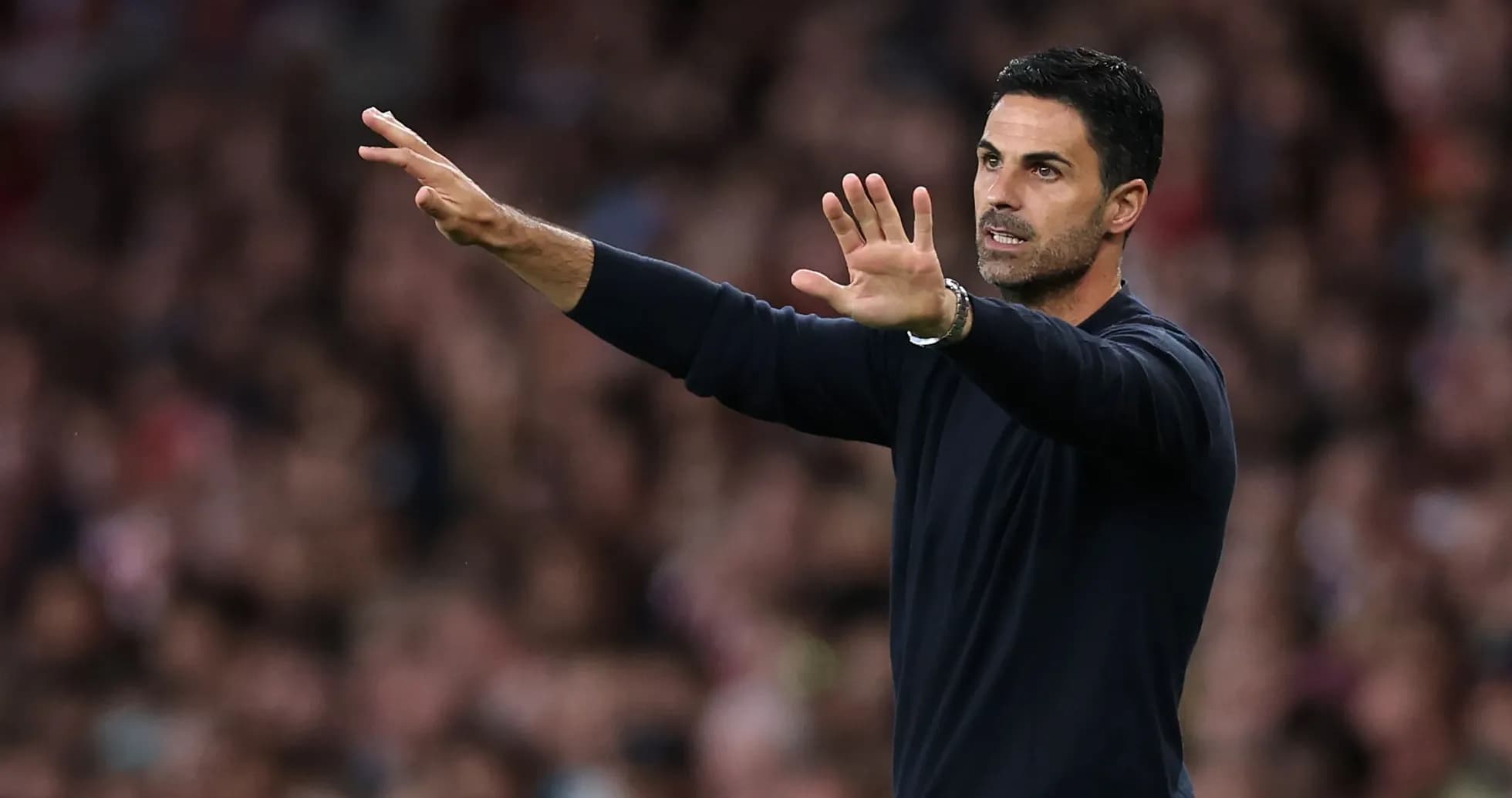
Mikel Arteta Calls for Larger Matchday Squads in Premier League
Mikel Arteta is tired of leaving good players at home. Now he wants the Premier League to change the rules – immediately.
On the eve of Arsenal’s clash with Aston Villa, the Spaniard renewed his appeal for bigger matchday squads, urging league officials to act “for the safety of the players” and to do it this season, not in some distant review window.
Right now, managers can name nine substitutes, an increase that arrived during the Covid-19 pandemic. Arteta wants more. Not as a luxury, he argues, but as a necessity in a calendar stretched by relentless domestic and international demands.
He has lived the dilemma all season. Big games, big names… and brutal omissions. Gabriel Martinelli and Gabriel Jesus are among those he has had to cut from matchday squads, decisions that go far beyond tactics or form and deep into dressing-room dynamics.
“That is why I have been begging Premier League officials to extend those numbers just for the safety of the players, which is the most important thing,” Arteta said, underlining the strain on squads who are expected to operate at full tilt across multiple fronts.
“I think every team needs more than 20 players on the pitch, ideally, to maintain the level of demand in the international matches we face, but these are the rules, and within these rules, we have to play.”
The rules, though, come with a human cost. Arteta spoke of the “difficult” conversations that have become a regular part of his week, explaining to fully fit, fully committed professionals why they are not even allowed to sit on the bench.
He hates those talks. Players hate them more.
“We need to be very close to the players to explain those situations in the right way, so that everyone feels their importance, because they will indeed be important,” he said, stressing how exclusion can erode a player’s sense of belonging.
For him, the debate should not be framed as a managerial convenience but as a question of what the players themselves want.
“The question should be put to the players more than anyone else,” he insisted. “What do they want? If they say: no, I would rather stay at home, then we will have a problem because they will not like what they are doing.”
Arteta is convinced of the answer.
“I am sure that if you ask the players, everyone would want to be part of the team on matchday, otherwise you would have to tell one of them that he is not even part of the matchday squad. That is extremely hard. And it will not benefit anyone.”
From his perspective, the current system is lose-lose. A club invests heavily in a deep squad, the coach rotates to handle the schedule, yet one or two players inevitably fall off the edge of the 20-man limit and into the stands.
“This does not benefit the club, nor does it benefit the assessment of the player, nor does it help them feel part of it,” he said. “In my opinion, it is a real problem and it has a very simple solution.”
Arteta has made his case. The fixtures will keep coming. The injuries will keep piling up. The question now sits with the Premier League: will they move the numbers, or leave managers to keep knocking on doors with one more unwanted conversation to have every weekend?