Mourinho’s Tactical Shift: The 35th Minute and New Back Line
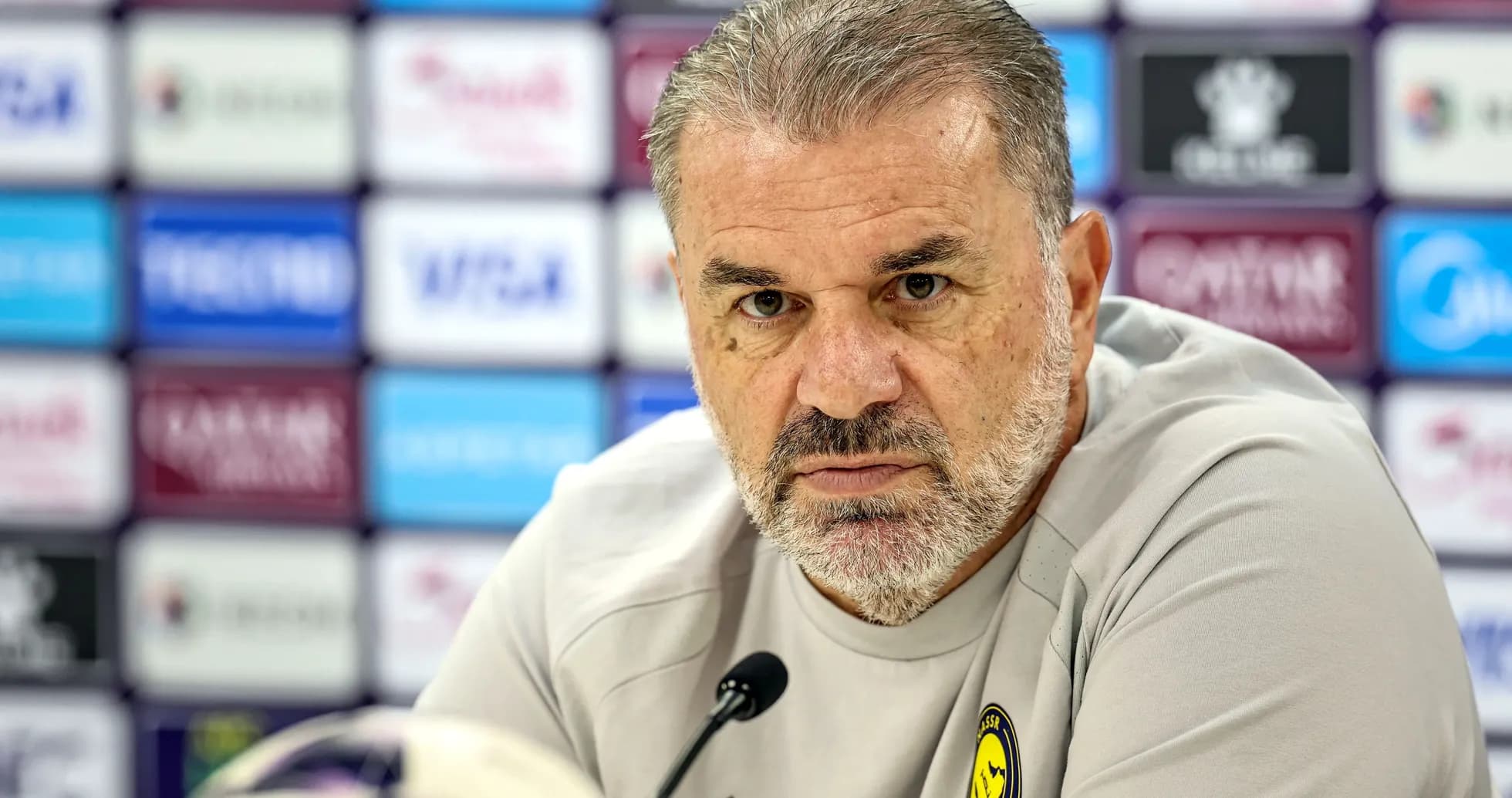
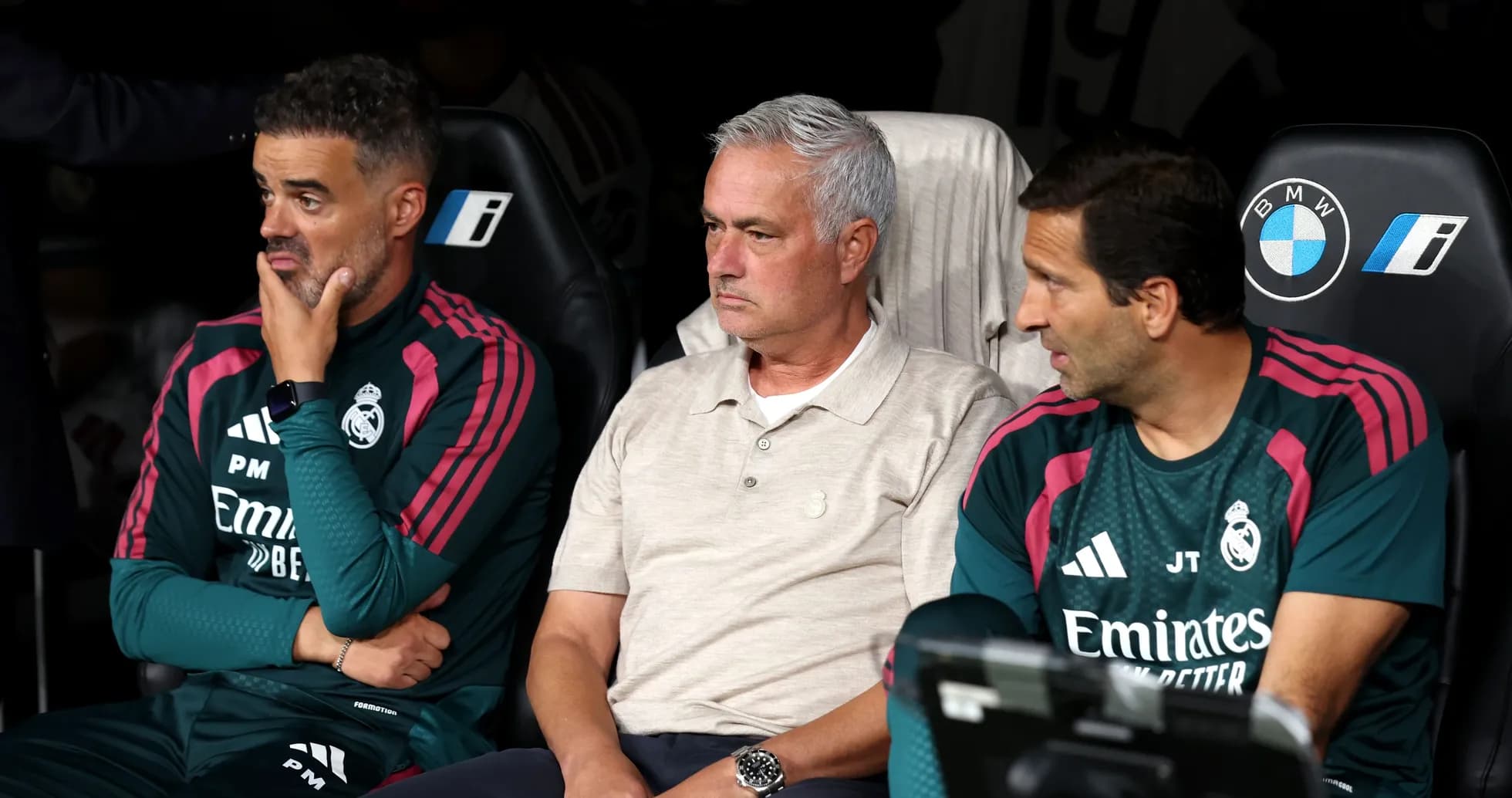
José Mourinho has never treated the 35th minute as dead time. At the Santiago Bernabéu against Real Sociedad, it became the moment he quietly began to assemble his new Real Madrid back line.
Mourinho’s 35th-minute warning
Up to that point, Thibaut Courtois had enjoyed a largely undisturbed evening, his only real intervention a save from Mikel Oyarzabal in the tenth minute. Then Sergio Gomez unleashed a fierce drive that skimmed too close to comfort. The calm snapped. So did Mourinho’s patience.
According to "AS", the Portuguese coach reacted instantly, barking for more concentration from his defenders. Five players were sent to warm up with fitness coach Antonio Pintus: Cucurella, Camavinga, Brahim Diaz, Trent Alexander-Arnold and Asensio. It was not a bluff, not a show. It was part of a routine.
“I always do that in the 35th minute. I like everyone to be inside during the break, because there are instructions for everyone,” he explained. The message was clear: nobody in this Madrid side is a passenger, especially at the back.
The game reached half-time level at 1-1. The real reshaping began as the teams emerged for the second half.
A new back four takes shape
Alvaro Carreras, booked as early as the tenth minute for a challenge on Kubo, did not reappear. In his place came Cucurella, making his first appearance as a Real Madrid player at the Bernabéu. It was more than a simple like-for-like change.
Suddenly, the back four looked like a blueprint. Dumfries at right-back. Cucurella on the left. Konaté as the right-sided centre-back. Huijsen, signed last season, on the left of the pairing. Three summer signings and one rising piece from last year, all now under Mourinho’s direct command.
“The change of Carreras was because of the yellow card,” Mourinho underlined. No drama, just cold calculation. A defender on a booking is a risk he does not tolerate lightly.
Inside the club, the technical staff have already settled on this as their preferred defensive unit. Tweaks may come – Rüdiger could rotate in for Konaté or Huijsen – but the structure is set until Éder Militão returns. This is the line Mourinho wants to carry him into the decisive stretch of the season.
Dumfries over Trent, Cucurella’s edge
On the flanks, hierarchy has formed quickly. Dumfries, more accustomed to operating in a five-man defence, has pushed past Trent Alexander-Arnold to become the undisputed first-choice right-back. On the opposite side, Cucurella offers energy, aggression and the courage to play high.
With those two driving up the pitch, Madrid’s defensive line steps several metres further forward. The effect is immediate: the team can defend, attack and press in advanced areas, with the full-backs pinning opponents back and freeing the midfield and forwards to launch the intense high press Mourinho demands.
The numbers from Opta back that up. Dumfries finished fifth for passes in the final third with 15. Only Güler (25) and Mbappé (22) bettered him, with Valverde level and Bernardo on 17. For a right-back in a side still under construction, that is a statement of intent.
Konaté, Huijsen and a quiet revolution
At the heart of the defence, Konaté imposed himself in the duels. He led the tackling charts with two successful challenges, matched only by Cucurella. It was not a night of last-ditch heroics, but when Real Sociedad broke through, Konaté met them head-on.
Beside him, Huijsen orchestrated. He completed 69 of his 72 passes – a 95.8% success rate, the best on the pitch. He did not just circulate the ball; he controlled Madrid’s tempo from the back, choosing when to accelerate, when to calm the game.
Carreras, despite his early withdrawal, left his own mark. He recovered four balls, the same tally as Huijsen. Across the entire back line, Madrid’s defenders won back possession 15 times, seven of those recoveries coming in Real Sociedad’s half. For a Mourinho team, that higher defensive aggression is not a luxury; it is the foundation of his pressing game.
Defensively, the numbers looked solid on the surface. Real Sociedad managed only three shots on Courtois’s goal, the same figure Madrid allowed against Espanyol. For many coaches, that would be enough.
For Mourinho, it is a warning.
Chasing the standard of 2010–11
This is a manager who once turned clean sheets into a season-long habit. In 2010–2011, his side shut opponents out 30 times in 59 matches: 16 of 38 in La Liga, 8 of 12 in the UEFA Champions League, 6 of 9 in the Copa del Rey. More than half their games ended with the opposition scoreline frozen at zero.
By that measure, three shots conceded feels high. Not catastrophic. Not alarming. But high for a coach whose defensive benchmark is that unforgiving.
The difference now is that this new back four is still in its infancy. Dumfries learning the demands of a flat back four. Cucurella adjusting to the Bernabéu’s expectations. Konaté and Huijsen building an understanding under the spotlight.
Cohesion, Mourinho knows, does not arrive overnight. It is built match by match, line by line, drill by drill.
The tests to come
The schedule will not wait. Malaga and Betis in the league. The Champions League opener. Then Rayo and Elche. All of that before the derby against Atletico at the Metropolitano.
By then, this defence will either look like a work in progress or a finished product. Mourinho has nailed his colours to this back four. The question now is simple: can they grow fast enough to restore that old, ruthless standard of clean sheets when the season’s biggest nights arrive?