Novak Djokovic's Emotional US Open Defeat: A Turning Point
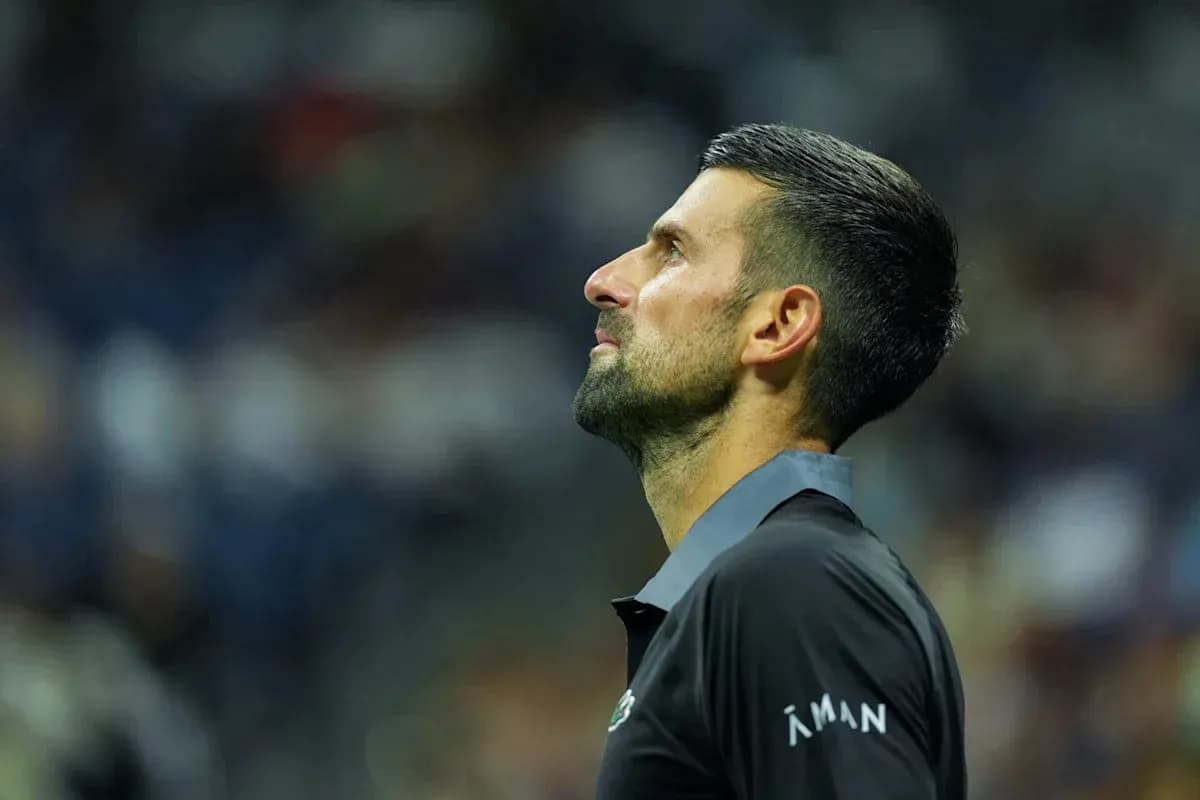
Novak Djokovic wiped away tears as he held serve late in the fifth set on Sunday night in New York. For nearly two decades, that sight usually meant only one thing: the storm was coming, the shutters were down, and the greatest front‑runner in modern tennis was about to suffocate another opponent.
This time, the tears told a different story. His body had finally called his bluff.
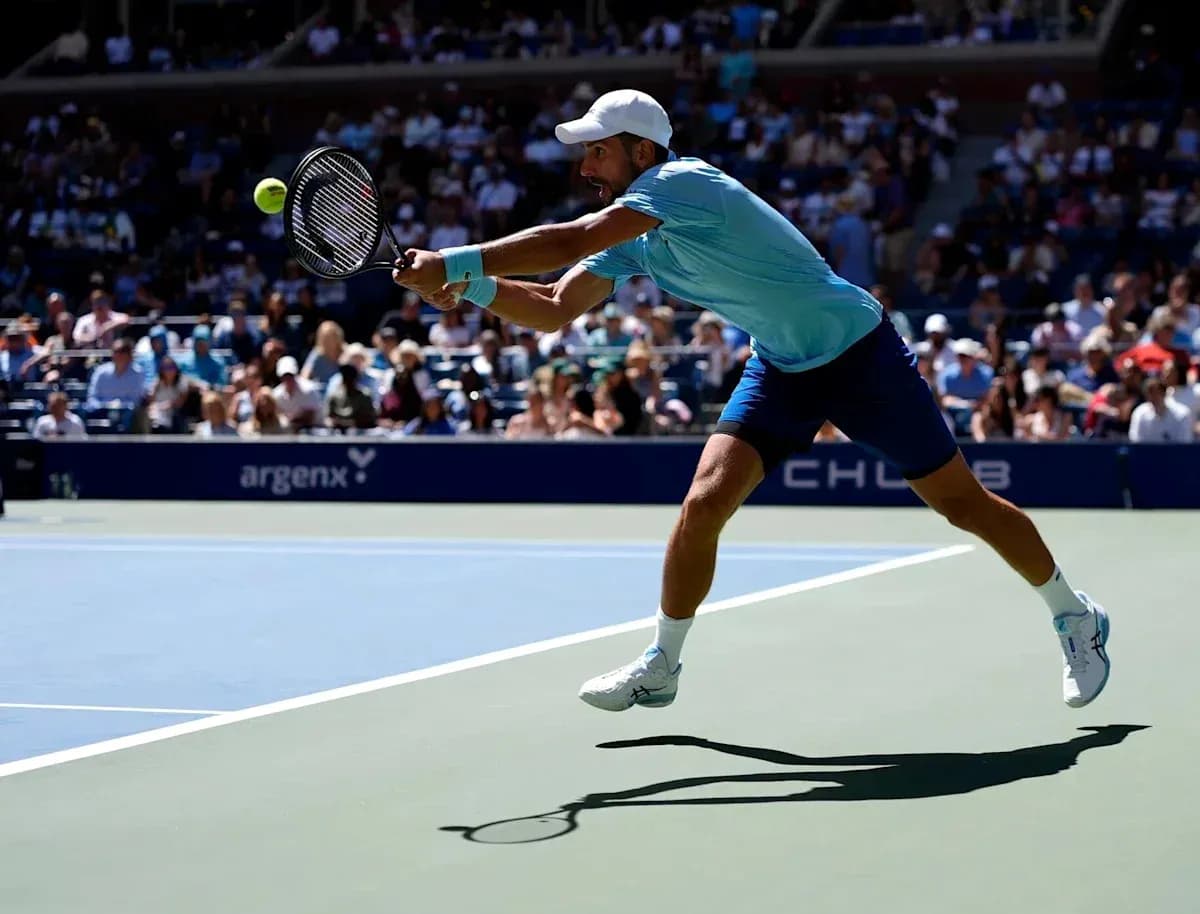
On a humid US Open evening that once would have played to his strengths, Djokovic suffered his first Grand Slam first‑round defeat since 2006, falling 7-6 (5), 5-7, 4-6, 6-2, 6-1 to Mariano Navone. A 24-time major champion, a man who built an empire on five-set epics, left Arthur Ashe Stadium looking like a player at a crossroads. At 39, he will now slip outside the Top 10.
An awful feeling, a brutal night
The conditions should have helped him. No brutal afternoon sun, no suffocating heat. Under the lights, Djokovic raced out to a 3-0 lead in the opening set. It looked familiar. It looked ominous.
Then his stomach turned.
Less than an hour into the match, the Serb began to feel sick. The lead evaporated, his movement dulled, and the match became a fight against his own body. He dealt with nausea. In the third set, he threw up. By the fourth and fifth, he cramped so badly that he could no longer swing freely on serve, his delivery stripped of its usual bite.
The contest stretched to four hours and 36 minutes and emptied him completely. The early flashes were there — the sharp returns, the laser backhands — but they were buried under 70 unforced errors by the end, a number that told the truth more starkly than any highlight reel.
“I think it was obvious that it was an awful feeling on the court for me,” Djokovic said afterwards, speaking to a small group of reporters rather than holding a full press conference, as reported by The Associated Press and Ben Rothenberg of Bounces. “This is something that, unfortunately, I’ve been dragging along in practically every match this year.”
He described how his body simply shut down as the match wore on. “Then my whole body starts to collapse, basically cramping and pain,” he said, adding that his back and shoulder “gave up.”
For a player who has turned pain management into an art form over the years, that admission landed heavily.
Navone’s moment, Djokovic’s warning
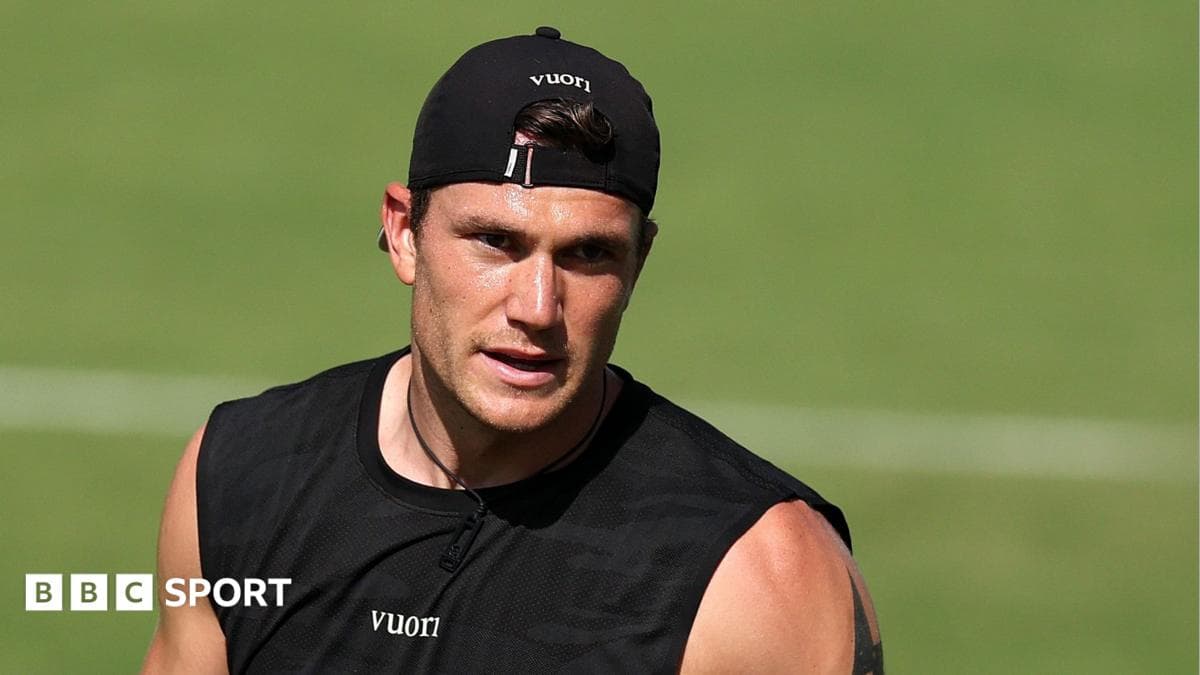
Navone did not just stand there and watch the legend unravel. At 25, the Argentine arrived with momentum, having captured his first ATP Tour title in 2026, and he showed the kind of stubborn resilience that has long been Djokovic’s trademark.
He drove his groundstrokes deep, kept Djokovic pinned behind the baseline, and held his nerve on the big points. Winning more than 70% of his first‑serve points, he picked his moments to attack and converted when the chances came. The longer the match went, the more he looked like the man built for the distance.
Yet the night still felt framed around Djokovic.
Just a year ago, he had ground his way into the second week of the 2025 US Open and bowed out in the semifinals to Carlos Alcaraz in straight sets. It was a defeat, but a respectable one, to the eventual champion. The narrative then was of a great champion still able to rise to the big occasion, even if the gap to the very top was narrowing.
Back then, a line from a Last Word on Tennis piece in September 2025 rang true but distant: “As all sportsmen discover, Father Time is an opponent that no one can beat.”
Twelve months on, that opponent is no longer a theoretical rival. The alarm bells are louder. Djokovic is not used to seeing his body falter this early in a major, not used to feeling fragile before the tournament has even found its rhythm.
A season of strain
The signs had flickered before New York. In August, in punishing conditions at the Cincinnati ATP 1000 event, Djokovic lost his opening match 2-6, 6-4, 6-4 to Thiago Agustin Tirante. It was another night when his body looked out of sync with his will.
Reflecting on that loss when he arrived in New York, he tried to spin it forward, calling it a blessing in disguise because it allowed him time to recover and train for the US Open. For years, this has been his blueprint: strip back the calendar, pick his battles, peak for the Slams.
But at 39, that strategy carries its own risks. Skipping tournaments to preserve energy for best‑of‑five battles sounds logical on paper. In reality, players need matches — real, high‑stress matches — to harden their legs and lungs for the grind of four‑hour marathons. On Sunday, Djokovic looked like a man trying to go from idle to redline too quickly.
He has played just seven tournaments in 2026. The schedule looks light; the mileage on his body does not. When you’re struggling 30 minutes into a best‑of‑five match, the issue is no longer about rust. It starts to feel like wear and tear that no training block can fully erase.
What comes next?
The questions arrived almost before the final ball had bounced. Will he be back here next year? Is this the beginning of the end, or just another brutal chapter in a career built on comebacks?
Around the grounds, the debates will rage for the rest of the fortnight. Only Djokovic knows how much more he wants to give, and on what terms. Does he keep grinding on the ATP Tour, perhaps as the world No. 20, playing for the sheer love of competition? For fans, that would be a gift. For him, it would be a new identity — from perennial favorite to dangerous outsider.
Or does he decide that if he is no longer a true Grand Slam contender, the cost outweighs the thrill? The idea that he could walk away in the wake of this defeat will be floated, dissected, exaggerated.
For now, there is at least one concrete sign that he is not done. On Monday, he was confirmed on the entry list for the ATP 500 event in Beijing. The calendar, at least on paper, still has his name on it.
What his loss to Navone underlined, though, is that the equation has changed. For years, Djokovic’s mental steel, his ability to lock in at the crucial moments, tilted matches in his favor even when he was not at his physical peak. On Sunday, the mind wanted to fight, but the body refused to follow.
That may become the defining battle of his final years: not between Djokovic and the man across the net, but between Djokovic and his own limits.
“Forever grateful, New York,” he wrote on social media after the defeat.
If this is the beginning of his farewell, the city has seen enough of his miracles to know one thing: nothing with Novak Djokovic ever ends quietly.