Phoenix Suns Face Decision on Jalen Green's Fit
The Phoenix Suns don’t have much time left to figure out who they really are.
Training camps for the 2026-27 season are creeping up, the roster is expensive, the window with Devin Booker is very much now — and one of their highest‑paid guards is already being talked about as a possible exit.
That guard is Jalen Green.
A Costly Fit Question in Phoenix
Greg Swartz of Bleacher Report flagged Green as a “sneaky” trade candidate heading into the new season, and the reasoning cuts straight to the heart of Phoenix’s backcourt puzzle: the fit next to Booker simply hasn’t clicked at the level the franchise needs.
The numbers tell the story. With Booker sharing the backcourt with Ryan Gillespie, the Suns posted a net rating of plus-8.7, good for the 87th percentile. Swap Gillespie out for Green and that figure drops to plus-2.8, down to the 65th percentile. Winning lineups matter. In a top-heavy roster built around stars and short on margin for error, they matter even more.
Gillespie just signed a four-year, $48 million deal — roughly a third of Green’s annual salary. When the cheaper guard produces the stronger on-court results next to your franchise cornerstone, the front office has to ask hard questions.
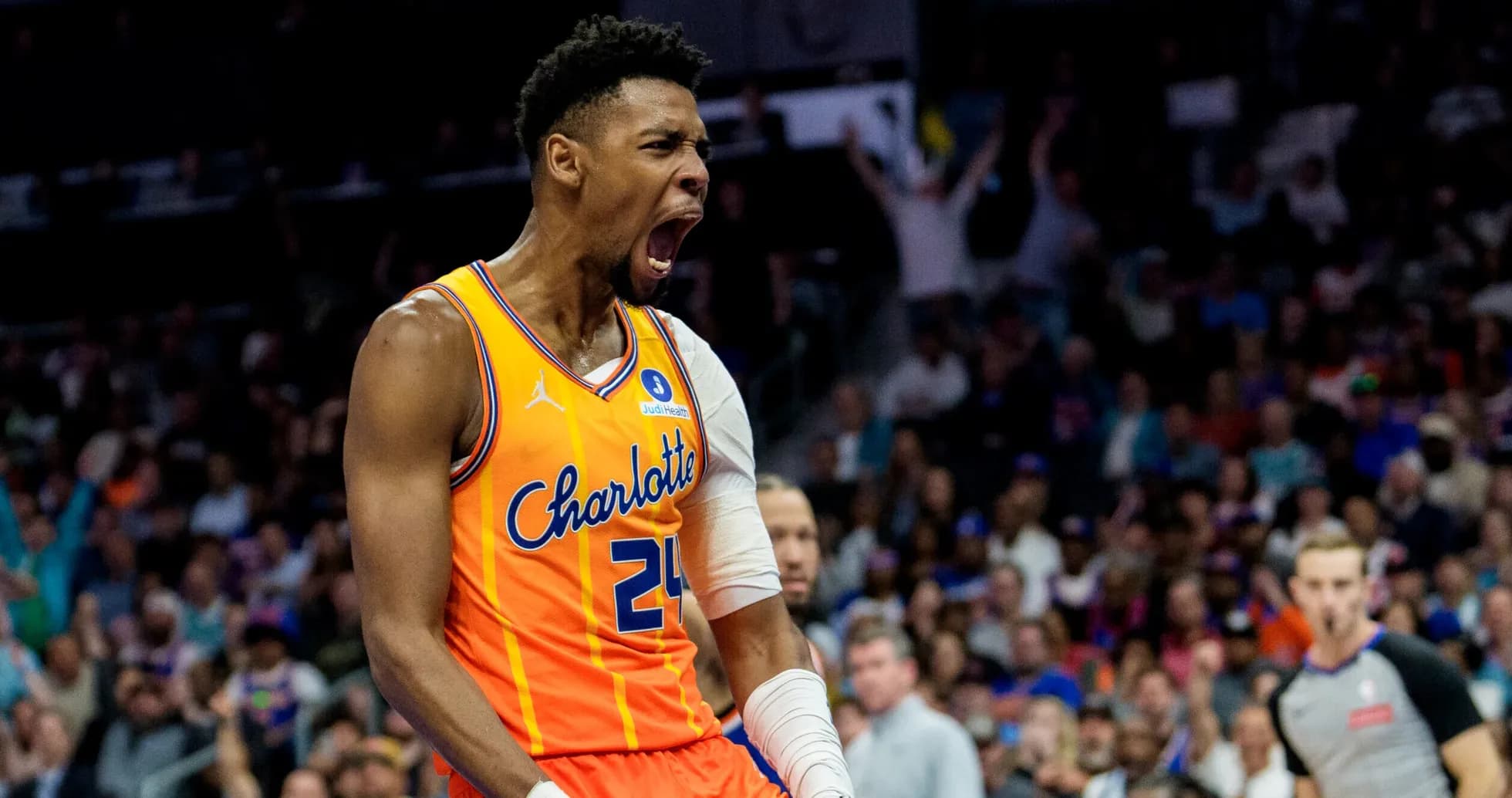
The pressure on Green is not about talent. The 24-year-old averaged 17.8 points, 3.6 rebounds, 2.8 assists and 1.1 steals in 25.9 minutes per game for Phoenix last season. Those are real numbers on real volume. He can score, he can pressure defenses, and he can change a game in a handful of possessions.
The issue is whether he does it in the way this Suns team needs.
Booker thrives with guards who can defend, space the floor, and keep the offense organized without needing the ball on every trip. Green’s best version is a high-usage, attack-first guard who lives in rhythm and needs touches to get there. That overlap has turned into friction, not synergy.
Trade Market Taking Shape
That’s why Swartz believes Phoenix “should absolutely be testing the market” for Green. Not in a panic, but with intent. If the Suns decide this isn’t a long-term marriage, they can’t afford to let the contract clock run out on a max-level asset.
Potential suitors are already lining up on paper.
The Brooklyn Nets are framed as a clean basketball fit, using Green as an upgraded version of Cam Thomas — a more dynamic scorer to drive an offense searching for a new identity and a way back into contention.
The new-look Los Angeles Clippers present a different kind of opportunity. Next to Darius Garland in the backcourt, Green could slot in as a pure scorer, freed from the burden of primary creation, attacking tilted defenses and second options instead of always facing the opponent’s best perimeter stopper.
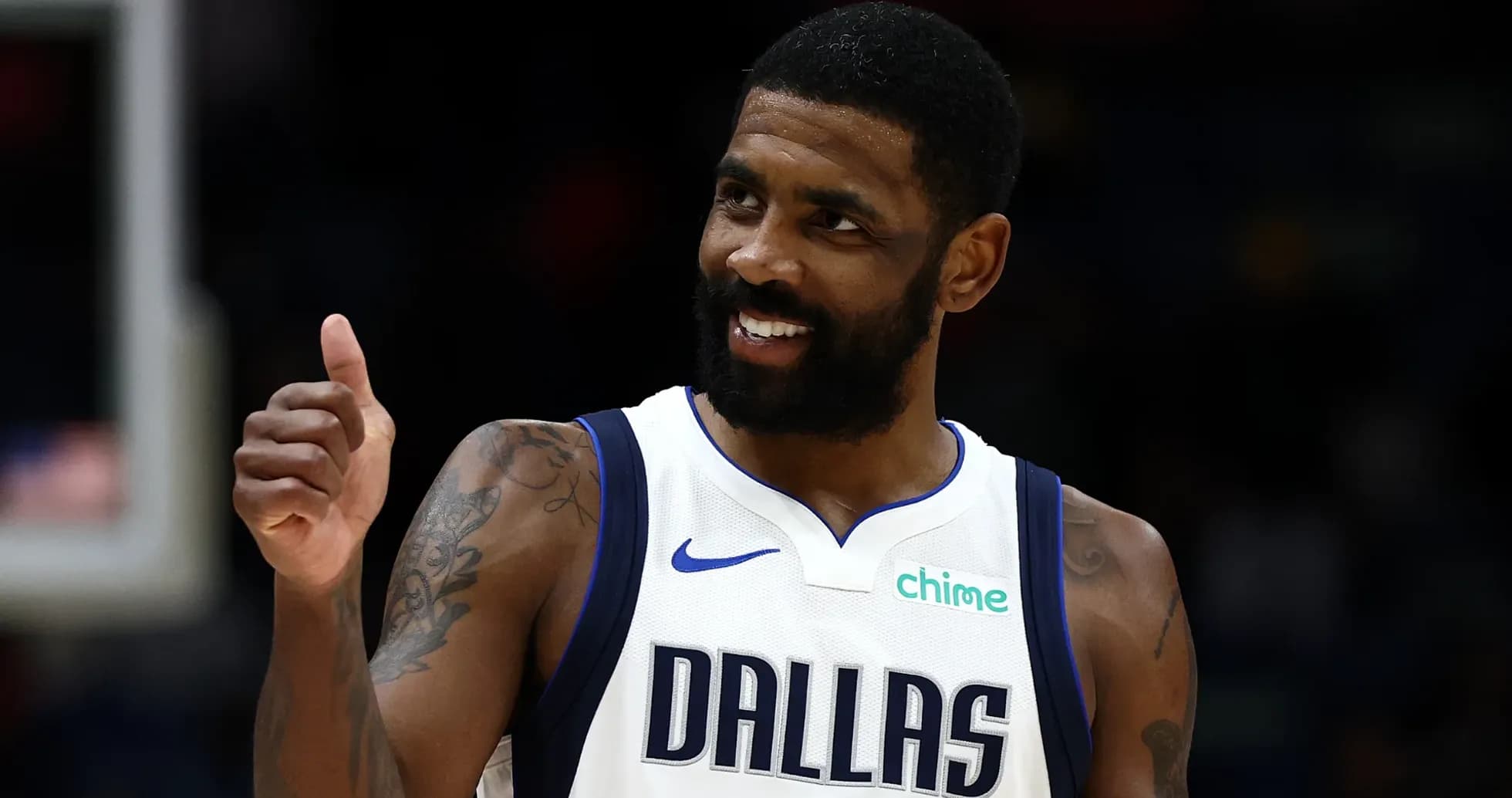
Then there’s the Dallas Mavericks, always on the hunt for another scoring punch to support their stars. A guard with Green’s ability to generate his own shot and attack gaps could balance a roster that leans heavily on its top options and too often stalls when they sit.
None of these scenarios are done deals. They do, however, underline one simple reality: there will be a market for a 24-year-old guard who averages nearly 18 a night and still hasn’t hit his prime.
The Contract Clock
Green’s contract only sharpens the urgency.
He’s in the middle of the three-year, $106 million rookie extension he signed with the Houston Rockets in October 2024. Two years and more than $72 million remain. He is set to earn $36.2 million in 2026-27, with a $36 million player option for 2027-28.
That option looms over every decision Phoenix makes.
If Green plays well enough to justify his price tag, he could easily decline the option and test unrestricted free agency next summer, chasing a longer deal in a rising cap environment. If the Suns haven’t moved him by then and still don’t see him as a long-term partner for Booker, they run the risk of losing a major asset for nothing.
If he underperforms, Phoenix is staring at a massive number on the books for a guard they’re not fully convinced about, further squeezing flexibility around Booker.
That’s the tightrope.
At his age, Green should still have several jumps left in his game. A more consistent jumper, sharper decision-making, better defense on the perimeter — all are reachable outcomes. Those possibilities make him attractive to teams willing to build a backcourt around his strengths instead of asking him to bend his game around someone else’s.
For the Suns, the question is brutally simple: is that team them, or someone else?