Rain and Emotion Disrupt Australian Players at Flushing Meadows
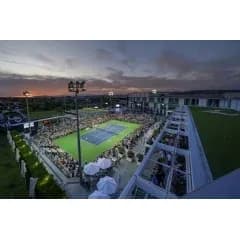
For the third straight day, the weather has muscled its way into the story. Rain again rolled over Flushing Meadows, first delaying the morning’s play by a couple of hours, then sweeping across the outside courts just as matches were beginning to take shape.
At first, officials kept players on court. The showers weren’t heavy, the kind you hope will pass if you wait a few minutes and squint at the radar. But the forecast looked ugly. Moments later, the message came: pack up. Like Melbourne, only the two show courts are protected, so while play can grind on under the roofs, the outside courts face a long, frustrating pause.
Kasatkina blitzed, Badosa ruthless
Before the rain truly settled in, Daria Kasatkina’s morning had already taken a sharp turn. Quick as a flash, she dropped the opening set to Paula Badosa in just 23 minutes.
Badosa broke to love to surge 3-1 ahead and never really eased off. The contest tilted heavily in her favour, rallies dictated on her terms. On commentary for Nine, Jelena Dokic nailed the pattern: Badosa was attacking early, taking the initiative straight off the strings, while Kasatkina needed to “weather the storm” and drag points out to find her chances. The theory was sound. The execution wasn’t. Kasatkina’s errors arrived long before the rallies could stretch into her comfort zone.
She had begun to look better in the second set, finding a little more length and shape, which makes the timing of the rain break awkward. It’s hard to know whether the interruption offers her a reset or robs her of the momentum she was starting to build.
Schoolkate serves his way into second round
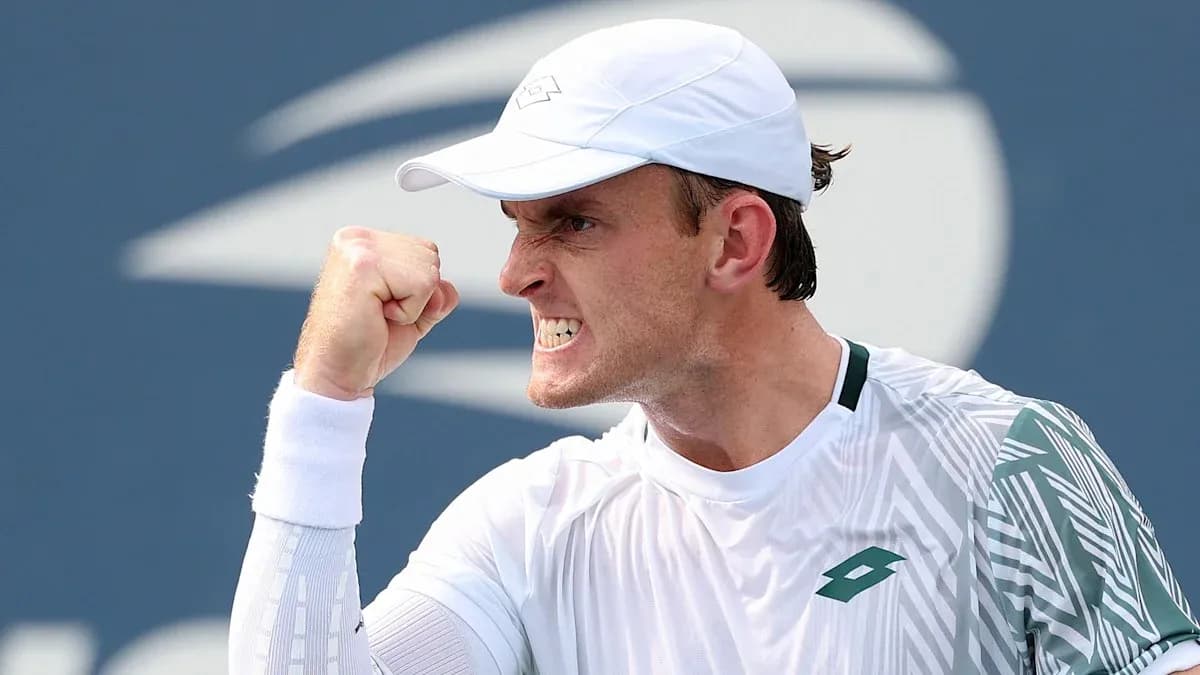
On a nearby court, Tristan Schoolkate delivered the kind of performance that can change a career trajectory. The Australian powered into the second round with a four-set win over American Nishesh Basavareddy, 7-6 (4), 3-6, 6-3, 6-4.
This was a serving clinic. Schoolkate finished with 25 aces and an imposing 82 per cent first-serve percentage. Even with that dominance on serve, the margins were razor-thin: the total points landed 121-119 in his favour. He didn’t overwhelm Basavareddy from the baseline; he just kept landing the big deliveries when he needed them most.
Earlier in the fourth set, the match had hung in the balance. Schoolkate led two sets to one but trailed in total points, 97-93, and Basavareddy had just taken the opening game of the set. The Australian’s serve, though, stayed “on fire”, as the numbers underlined. Under pressure, it held firm. Now it comes with a healthy reward: a cheque just shy of $266,000 for reaching the second round. Not bad for a morning’s work.
Sweeny’s upset bid ends in retirement drama
Dane Sweeny’s path to the second round looked like a fairytale in the making and ended in something more complicated.
He had been on the verge of a major upset against Frenchman Corentin Moutet. Ranked outside the top 100, Sweeny had surged to a two-sets-to-love lead, 7-6 (4), 6-4, and then raced 3-0 clear in the third. On paper, this was a mismatch. Moutet, who climbed to No.30 in the world in June before slipping into the 60s, brought the résumé and the reputation. Sweeny brought nerve.
The scoreline suggested control, but the match never felt one-sided. Moutet actually held the edge in aces, 5-1, and the total points were tight, 92-83 to Sweeny at the time. The Australian simply kept winning the big moments, breaking four times to Moutet’s three and refusing to blink in the tiebreak and late in the second set.
One point from the second set summed up Sweeny’s day. He slipped mid-rally, sprawled on the hard court, somehow recovered his footing and still found the touch to feather a drop shot winner. It felt like a sign that the tennis gods were with him.
Then came the handshake.
At 3-0 down in the third, Moutet walked to the net and retired. Heavy strapping on his forearm had been visible throughout the match, and after stopping he buried his face in his towel. There was a tense exchange with the chair umpire; courtside microphones only half-caught the words, but it sounded as though Moutet believed he had requested a physio earlier and been denied. The exact details remain unclear, yet the frustration was obvious.
Sweeny advances, but not in the way any player dreams about when they picture a giant-killing. The upset goes in the book, the ranking points and prize money land in his column, but the finish leaves an aftertaste.
Kokkinakis struck down again
The morning brought a harsher blow for another Australian. Thanasi Kokkinakis, a perennial fan favourite and perennial injury victim, withdrew only hours before his scheduled first-round match.
Now 30, Kokkinakis has been battling an ankle issue, the latest addition to a medical file that already reads like a career’s worth of misfortune. At the Australian Open earlier this year it was the shoulder that betrayed him. This time, the ankle said no.
He had been due to face rising star Rafael Jodar. Instead, the match disappeared from the schedule, leaving another empty space in a career that has too often been defined by what might have been rather than what was.
On a rain-soaked day at Flushing Meadows, that felt like the cruelest stoppage of all.