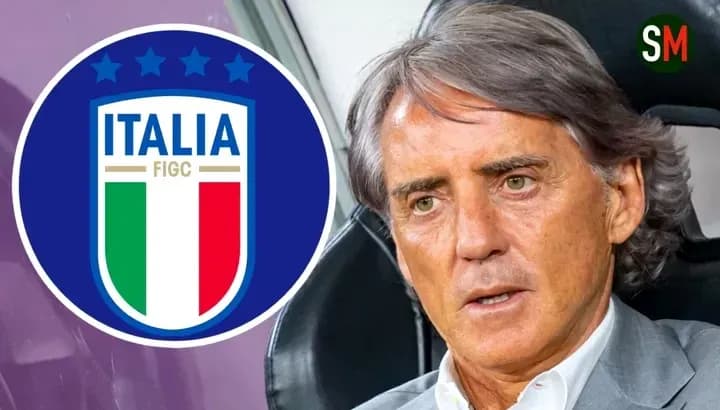
Roberto Mancini’s Bold Squad for UEFA Nations League
Roberto Mancini has wasted no time.
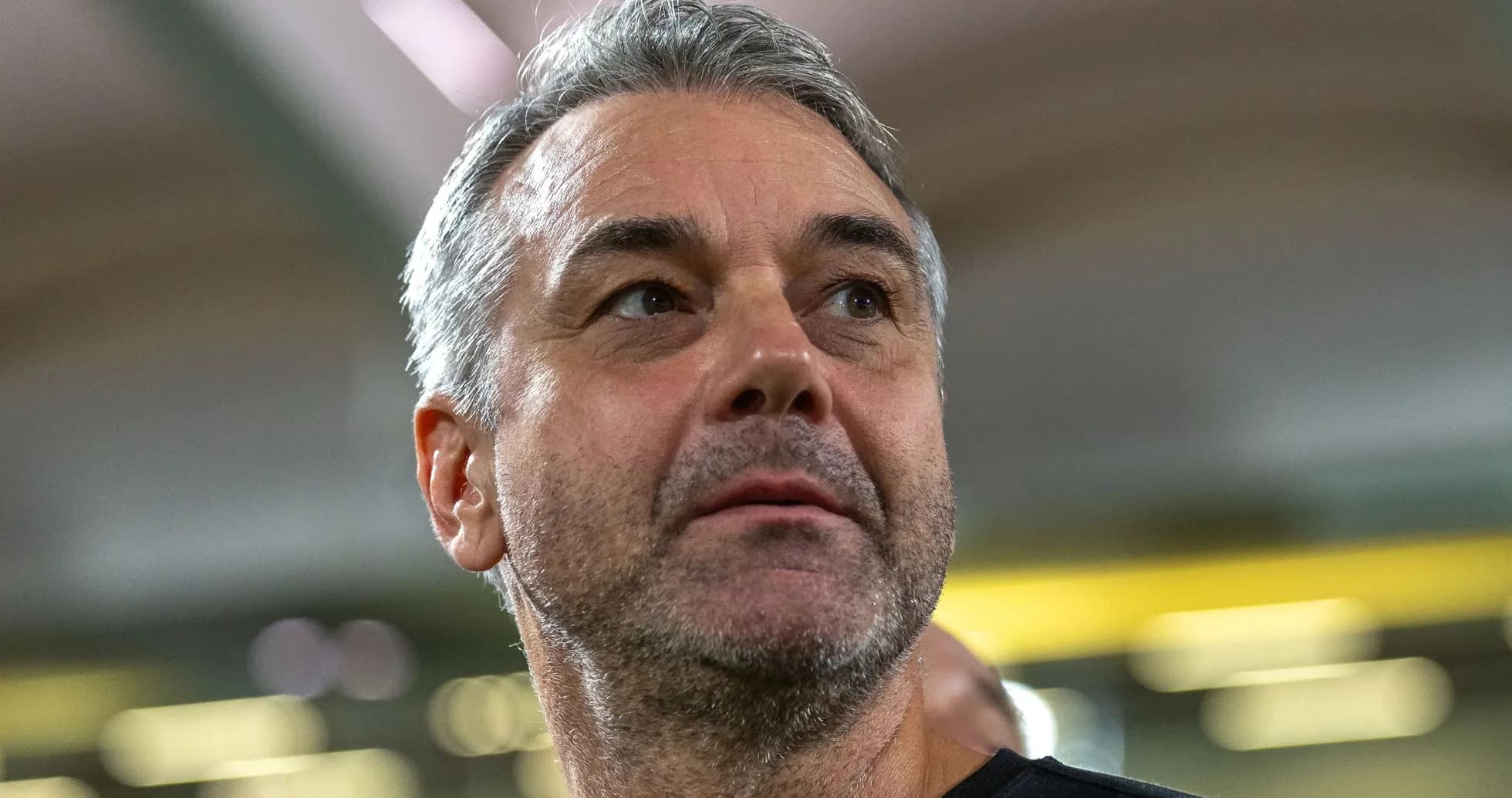
In his first major act since returning to the Italy dugout, the 61-year-old has ripped up much of the old script and named a bold, 34-man squad for the upcoming UEFA Nations League campaign – a list that speaks loudly about where he believes the Azzurri must go after another World Cup failure.
Mancini’s second act begins
Re-appointed at the end of July after Gennaro Gattuso’s departure, Mancini walks back into a national team still bruised from missing a third successive World Cup. His response is not nostalgia. It is reconstruction.
Italy open their League A Group 1 campaign with four fixtures across the September and October international break, facing Belgium, France and a double-header against Turkey. The schedule is unforgiving. So is Mancini’s selection.
From the side that lifted Euro 2020 under his guidance, only six survivors remain: Gianluigi Donnarumma, Alessandro Bastoni, Giovanni Di Lorenzo, Nicolo Barella, Bryan Cristante and Giacomo Raspadori. The core of that triumph has been stripped back to its bare essentials.
Big names out, new blood in
The omissions are as striking as the call-ups.
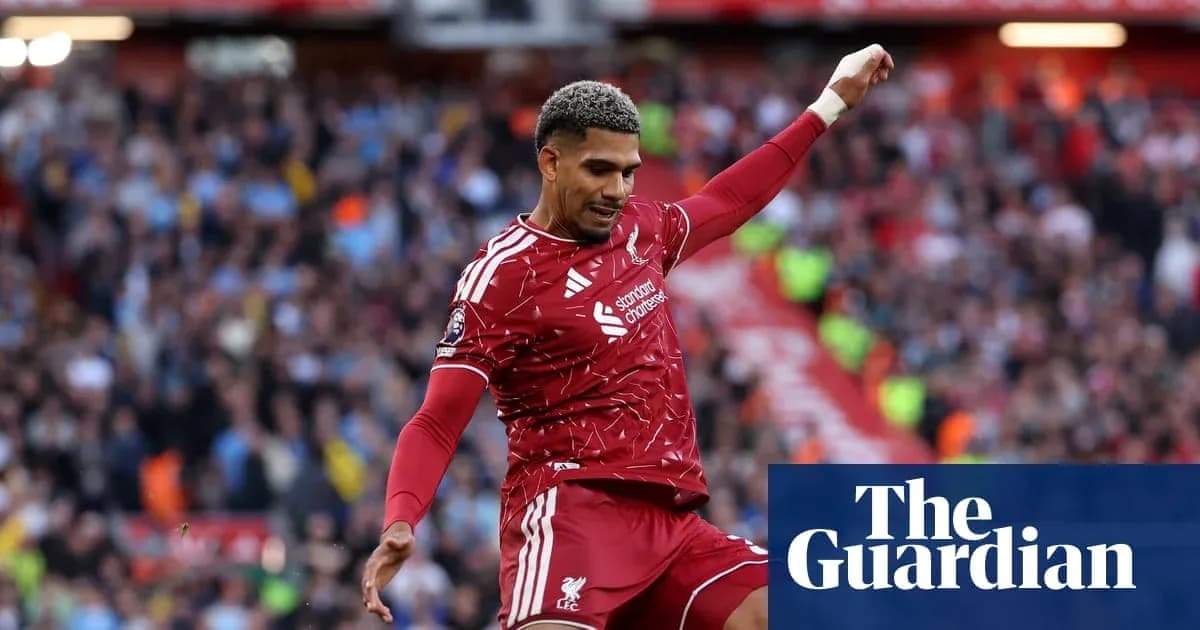
Chelsea defender Marco Palestra, recently sidelined by injury, is out despite making his debut in March and earning two caps. Tottenham Hotspur wing-back Destiny Udogie, who last featured for Italy in June 2025, is also missing. So is Liverpool’s Federico Chiesa, a symbol of Euro 2020 and absent from the pitch for the Azzurri since Euro 2024 despite a call-up earlier this year.
They are not alone. Juventus trio Manuel Locatelli, Federico Gatti and Andrea Cambiaso have all been left at home. Napoli pair Leonardo Spinazzola and Alessandro Buongiorno miss out as well, as does Al-Qadsiah striker Mateo Retegui.
Mancini has chosen a different route. He has opened the door to nine newcomers.
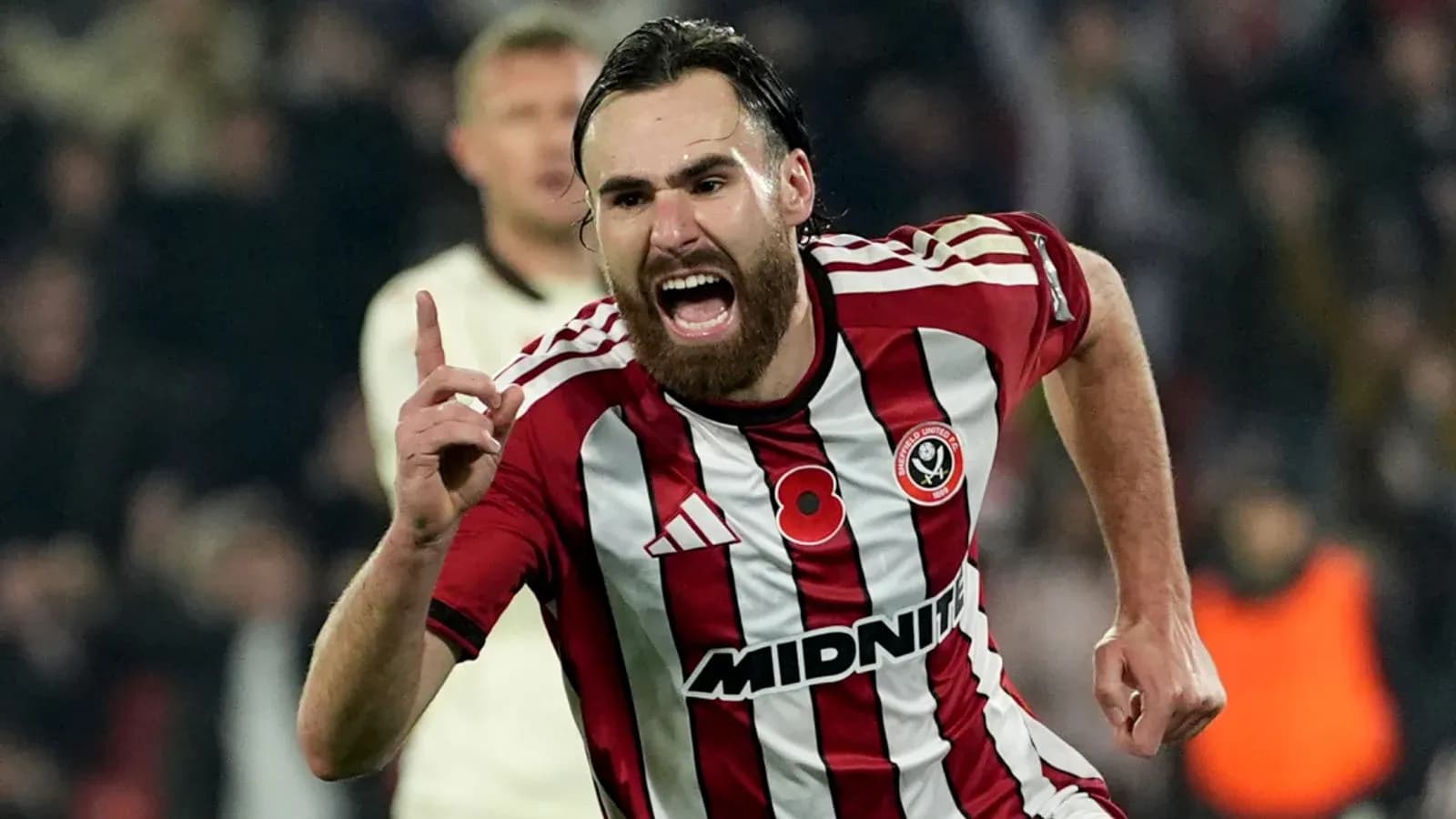
Brentford right-back Michael Kayode earns a first call-up, a reward for his rise in England. Between the posts, 18-year-old Bologna goalkeeper Massimo Pessina steps into the senior squad, a clear nod to the future.
Roma defender Daniele Ghilardi, Monza’s Eddy Kouadio, Cagliari’s Alessandro Romano, Sporting Lisbon midfielder Issa Doumbia, Sassuolo forward Sebastiano Esposito, Napoli’s Antonio Vergara and Nurnberg’s Mohamed Ali Zoma also receive their first invitations to Coverciano. For them, this is the moment the national team stops being a dream and becomes a test.
Youth, identity and a changing Italy
Not everyone is new. Some of Mancini’s more recent discoveries keep their place.
Borussia Dortmund forward Samuele Inacio, born to a Brazilian father but committed to the country of his birth, stays in the squad. So does fellow 18-year-old Honest Ahanor, currently on loan at Crystal Palace from Chelsea. Their inclusion underlines a clear theme: Italy’s future will not be built solely within Serie A’s borders.
Alongside them stand established names expected to carry the weight of this transition. Arsenal’s Riccardo Calafiori is in. Inter Milan’s Federico Dimarco and Nicolo Barella – one of the few Euro 2020 constants – return as automatic picks. Tottenham midfielder Sandro Tonali and Como forward Moise Kean also feature, players who sit at the hinge point between the old cycle and whatever Mancini is trying to create now.
This is not a gentle evolution. It is a reset, framed within a competitive Nations League group where every mistake will be punished.
A demanding Nations League road
Italy will gather at Coverciano next Monday for their first training session under Mancini’s new regime. The talking will quickly give way to action.
On September 25, the Azzurri open their Nations League campaign at the Stadio Olimpico against Belgium, a side that has repeatedly tested Italy in recent tournaments. Three days later they fly to Bursa to meet Turkey, a team that has grown in stature and will not fear a rebuilding Italy on home soil.
Then comes the heavyweight clash. On October 2, Italy travel to Saint-Denis to face 2026 World Cup semi-finalists France, a measuring stick for where this revamped squad truly stands against the elite.
The international break closes on October 5 at the Stadio Renato Dall’Ara, where Italy host Turkey in the return fixture. By then, the picture around Mancini’s second project will be far clearer.
For now, the message is simple. Reputations no longer guarantee a place. The past glories of Euro 2020 have been reduced to a small core. A new Italy is being assembled at speed.
The question is not whether Mancini dares to change. He already has. The real test comes when Belgium walk out at the Olimpico and the scoreboard, not the squad list, starts to judge this new era.