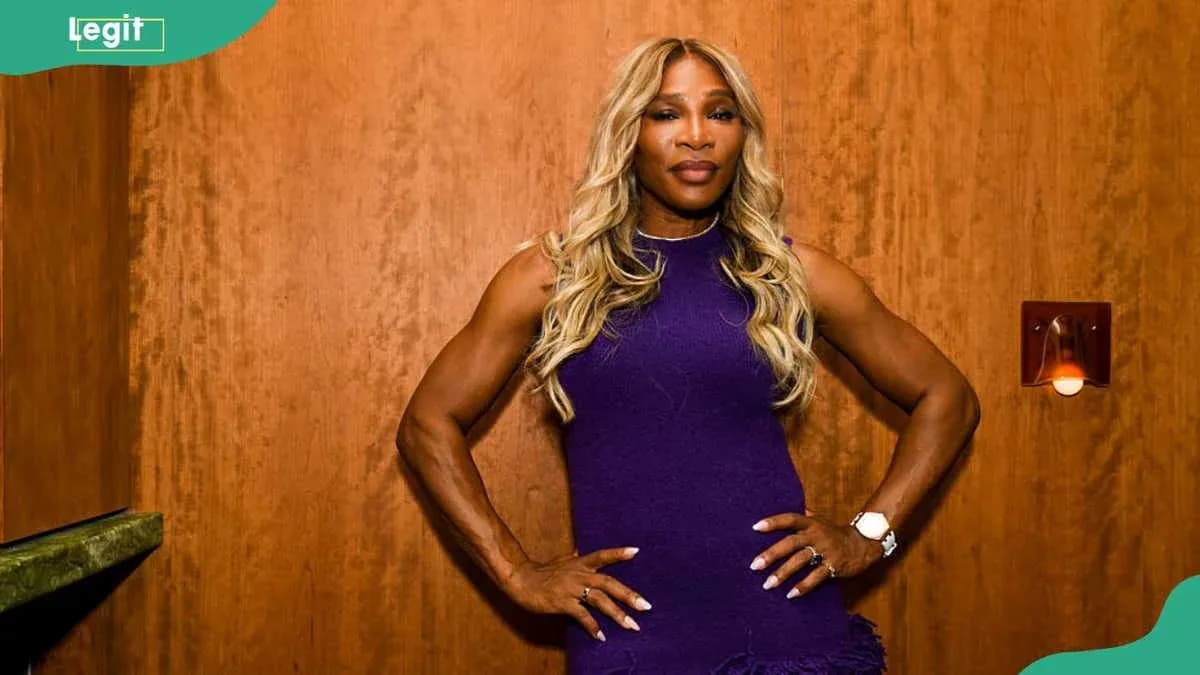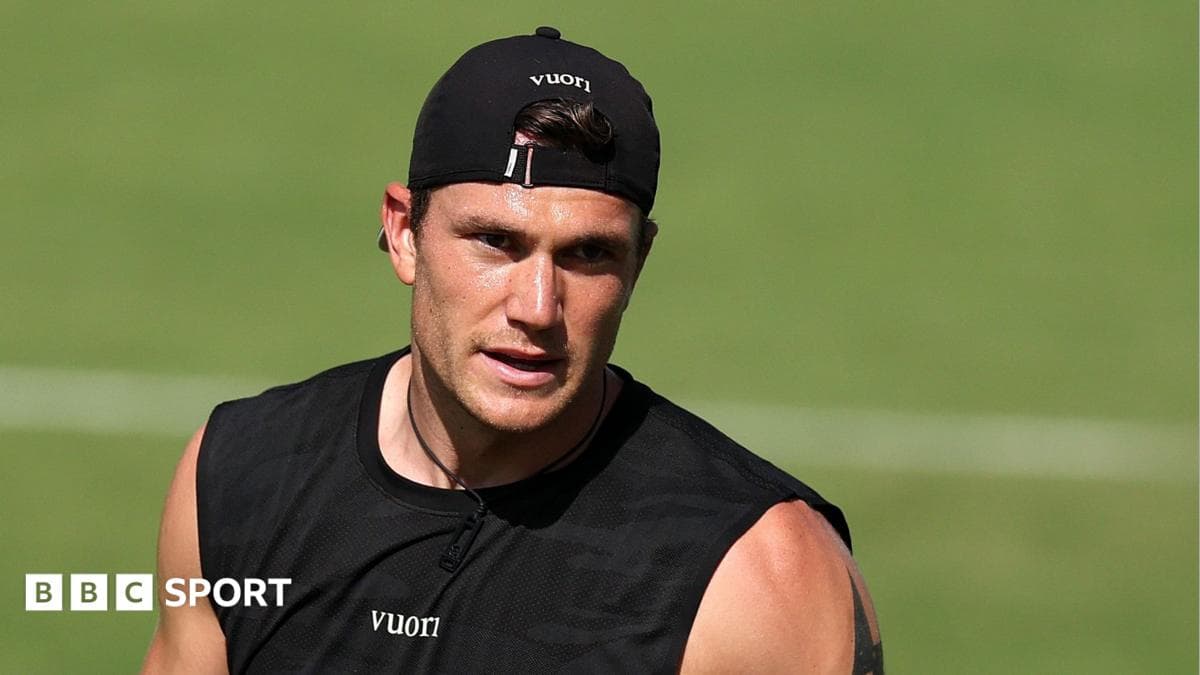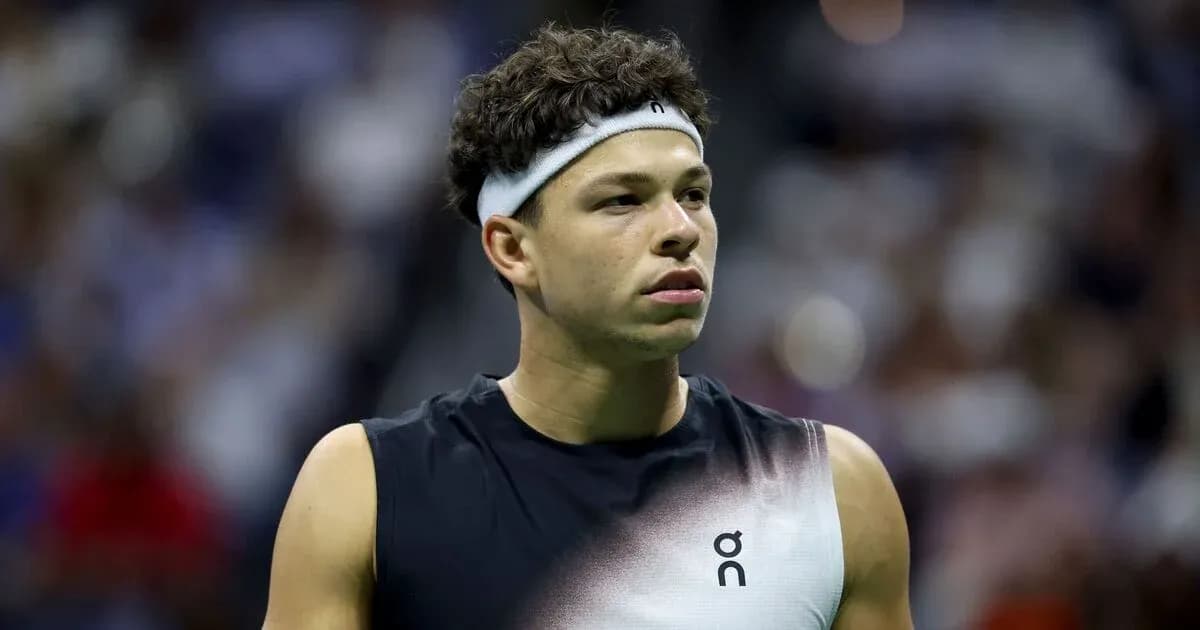
Skupski and Harrison Chase Second Slam in Doubles Final
Arthur Ashe Stadium is braced for a heavyweight night, and it starts long before the women’s final takes the stage.
Skupski chases second Slam of the season
The men’s doubles title is up first, with British interest leading the way. Neal Skupski and his American partner Christian Harrison walk into Sunday as the No. 6 seeds and as reigning champions from Melbourne, a pairing that caught fire almost as soon as it formed.
They had barely learned each other’s patterns when they swept to the Australian Open crown in January. Now, months later, they stand one match away from a second Major of the season, proof that their quick chemistry was no fluke.
Across the net, though, stand two men who know exactly what it takes to win big titles together. Kevin Krawietz and Tim Puetz have built a reputation as one of Germany’s most reliable doubles duos, hardened by deep runs and tight finishes on the biggest stages. They are no strangers to pressure, and they relish the grind.
First ball is due at 12pm local time in New York, 5pm in the UK. A late-summer sun, a packed Arthur Ashe, and a doubles final with serious pedigree on both sides of the net. Skupski and Harrison want to confirm their status as the season’s standout partnership. Krawietz and Puetz plan to tear up that script.
Only one team leaves with a Slam.
This is her house: Sabalenka defends her New York throne
Once the doubles dust settles, the night turns to a rivalry loaded with storylines. Aryna Sabalenka against Elena Rybakina for the US Open title, power against precision, champion against the new world No. 1.
Sabalenka is chasing a slice of history: a third straight US Open crown. Rybakina arrives with fresh authority, having just taken over the top spot in the rankings. It is not simply a final. It is a battle for territory at the very top of the women’s game.
Inside Sabalenka’s camp, there is no doubt about whose territory Flushing Meadows is. Her performance coach, Jason Stacy, put it bluntly after she reached a fourth consecutive final in New York.
“The way I like to put it, no disrespect to anybody, is that, like, this is her house, and all the other girls are just guests, and it’s time for them to go home,” he said.
It was more than bravado. Stacy spelled out the mindset that has turned Sabalenka into a relentless force on these courts: she must dictate, impose her strategy, and refuse to be dragged down to her opponent’s level.
“Her showing up and understanding that, hey, it’s her job to dictate the pace, to understand what her strategy is, and to not go to the level of the person across the net, not to meet them where they’re at, but I’m here to just do my job, and that’s it.”
Rybakina, though, has not climbed to No. 1 to play the role of house guest. She brings a measured, heavy game of her own, and a calm that can turn Sabalenka’s fire into a test of patience as much as power. One of them leaves with the trophy. The other leaves with questions.
Rodman’s clash of commitments
Away from the baseline battles, life off the court adds another twist. Trinity Rodman, a star in her own sport, faces a scheduling headache that most partners of Grand Slam finalists never have to consider.
Rodman, the girlfriend of US Open finalist Ben Shelton, is due to be on the pitch for Washington Spirit in their clash with Boston Legacy at the same time Shelton walks out for the biggest match of his life, the men’s singles final against Alexander Zverev.
Every partner wants to be there for a career-defining moment. Every professional knows the weight of their own commitments. For Rodman, those worlds collide on the same night, at the same hour. Skipping a match is no small thing. Missing a Grand Slam final isn’t either.
What are the chances of her pulling a sickie? That’s the question fans are asking. Only Rodman and her club know the real answer.
Zverev’s late-night reset
On the men’s side, Zverev arrives in the final on a remarkable streak: three Grand Slam finals in a row. That consistency at the sharp end of the sport speaks to a player who has steadied himself in the biggest arenas.
Yet his run in New York almost never found its rhythm. He admitted as much after his Friday night win, reflecting on a second-round struggle that dragged into the early hours.
“After the second round at 3am, me and my team were in the dressing room actually laughing at how bad I was playing. That sense of humour helped me,” he said.
The release of that moment mattered. It allowed him to reset, to stop tightening up over every mis-hit and missed chance.
“I have improved a little bit, otherwise I wouldn’t be in the US Open final.”
From 3am frustration to a shot at the title, Zverev has ridden the full emotional swing of a fortnight in New York. Now he faces Shelton, the home hope with the thunderbolt serve and a crowd ready to roar.
Shelton’s flashpoint with the chair
Shelton’s path to the final has not been quiet. His power game and swagger have electrified Arthur Ashe, but his semi-final against Frances Tiafoe also delivered a flash of anger aimed at the chair umpire.
The controversy came when Aurelie Tourte allowed Tiafoe to replay a point. Shelton felt the decision came too late and marched up to the chair, his frustration clear.
He argued that Tourte had delayed the call, saying she should have intervened immediately. Tourte explained that Tiafoe had put his hands up, prompting the retake. Shelton was not satisfied.
“Why did you not say something then? How are you going to call it after. You’ve got to say something immediately,” he said.
It was a snapshot of the edge Shelton carries onto court: emotional, combustible, utterly invested in every point. That fire now meets Zverev’s hardened experience in a final that promises tension from the first game.
Eala caught in WTA–Asian Games tug-of-war
Beyond New York, another battle is playing out, this time between national duty and tour obligations. Filipino talent Alex Eala is reportedly unlikely to receive a WTA exemption to compete at the Asian Games, a decision that could cost her ranking points.
Eala wants to skip the mandatory WTA 1000 event in China to represent her country at the Games in Japan. Without an exemption, that choice comes with a price: missed tournaments, lost points, and a potential slide in the rankings.
The warning signs are already there. Janice Tjen, world No. 36 from Indonesia and another Southeast Asian standout, has confirmed that her own exemption request was denied.
“After a lot of consideration, I’ve had to make the difficult decision that I won’t be able to compete at the Asian Games this year which take place at the same time as the mandatory WTA 1000 event in Beijing,” Tjen said in an Instagram post.
“We have received confirmation from the WTA that unfortunately, I have not been granted an exemption to compete at the Asian Games.”
For players like Eala and Tjen, the choice is brutal: play for ranking survival or play for the flag. On a night when champions are crowned in New York, the sport’s fault lines are just as visible far from Arthur Ashe.
Titles, rankings, careers, loyalties. Everywhere you look, tennis is forcing its players to decide what matters most.