Thea Frodin: From Body Double to US Open Debut
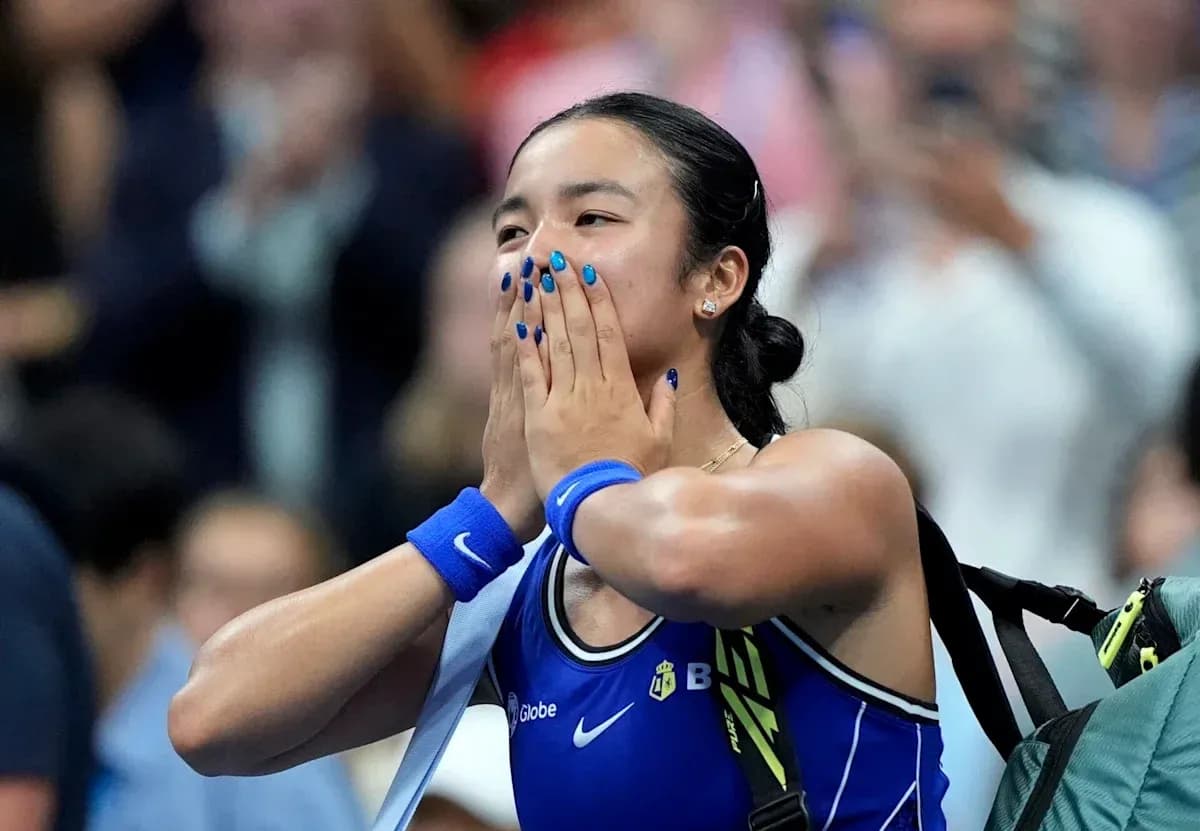
Thea Frodin used to be Serena Williams only on cue, under lights, with cameras rolling. Now the teenager is stepping into a far less scripted version of that role, on the unforgiving hard courts of the US Open.
Five years ago, Frodin was plucked from the junior ranks to serve as the tennis-playing body double for the young Serena in the Oscar-nominated film King Richard. At 12, she spent months recreating the strokes and swagger of her childhood idol, hitting balls while Will Smith, as Richard Williams, plotted the rise of Serena and Venus.
“Being able to play the role of somebody that I looked up to for my whole life was super special,” she told the WTA website. “I was honoured. She was one of the players that I looked up to most, just when I was starting to play. She's such an inspiration to me.”
That inspiration now comes full circle in New York.
From movie set to main draw
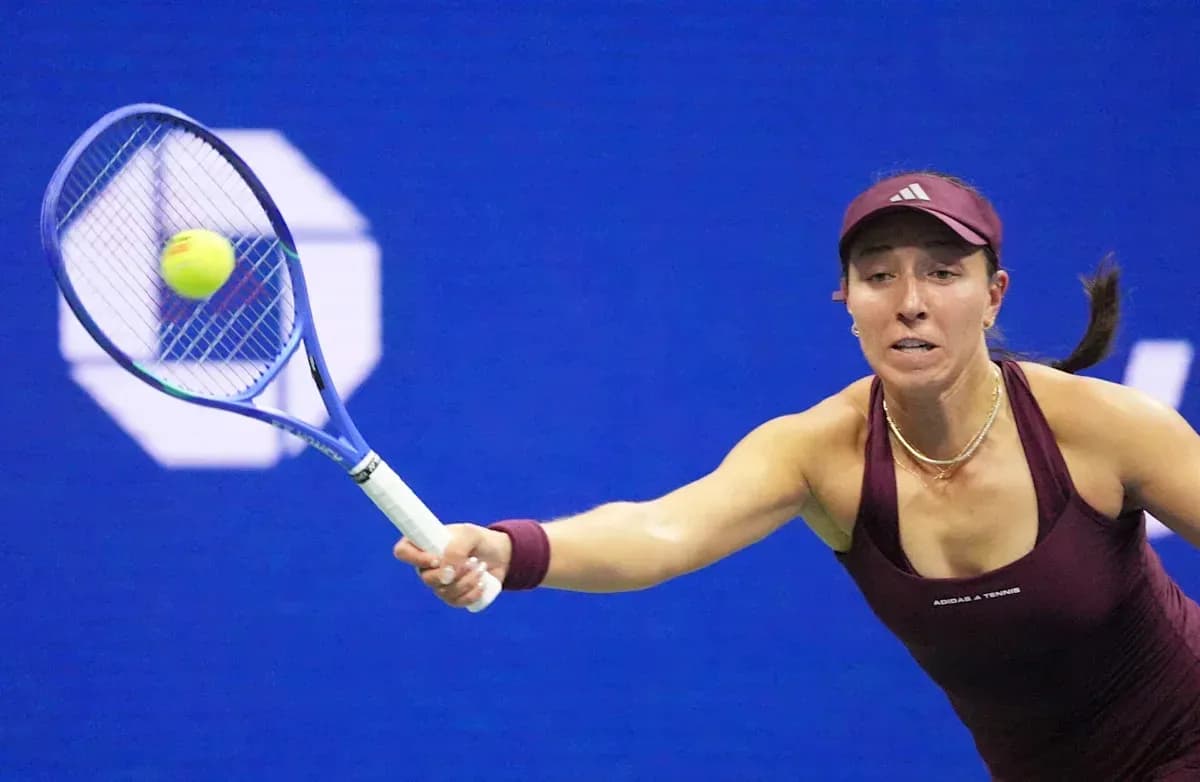
This week, Frodin makes her main-draw singles debut at her home Grand Slam, the same tournament where Serena and Venus Williams will reunite in doubles. The symmetry is striking: the former body double walking into the same arena where the real thing built a legend.
The draw did her no favours. Waiting on the other side of the net is world number two Elena Rybakina, a two-time major champion and the reigning Australian Open winner. It is the kind of first-round assignment that can overwhelm a 580th‑ranked player.
Frodin sounds intent on leaning into it.
“I'm trying to stay in the moment as much as possible,” she said. “This is a huge opportunity for me to enjoy the moment, have fun and see what I can do. The atmosphere, how loud the crowd will be, I feel like I fit well in that environment.”
Learning Serena, then unlearning Serena
Her path to this stage is unlike almost anyone else in the locker room.
On the King Richard set, Frodin worked with Smith a few days a week over six months, filming in cold, rainy conditions that felt a world away from the glamour of Hollywood premieres. Smith, she recalls, made a point of bringing hot water to the shoots to keep her warm between takes, a small ritual that stuck with her.
The tennis work was anything but small. To make the portrayal authentic, Frodin had to mimic Serena’s mechanics so closely that the imitation began to seep into her own game.
“After I was done shooting, I got used to her strokes,” she told the US Open website. “My coaches were a bit frustrated because I naturally started to hit like her. I picked up Serena's backhand, but I tried as much as possible to go back to my strokes.”
For a junior still forming her identity, the line between copying greatness and losing herself in it became thin. Coaches stepped in, nudging her back toward her own patterns, her own timing, her own way of solving points.
The real stage, the real test
Now comes the test that no director can choreograph. No second takes. No carefully framed angles. Just Frodin, her rebuilt game and one of the most dangerous players in the world across the net.
She arrives ranked 580, an outsider by any measure, yet walking into a stadium she has known for years from the stands and from television. This time, the roar belongs to her match, her name on the scoreboard, her serve under the lights.
Serena Williams once turned Arthur Ashe Stadium into a theatre of inevitability. Thea Frodin has only a first round and a long shot. But for a teenager who once played Serena for the cameras, the chance to finally play herself on tennis’s biggest stage might be the most important role of all.