United States Triumphs Over Spain in Fiba Women’s Basketball World Cup Semi-Final
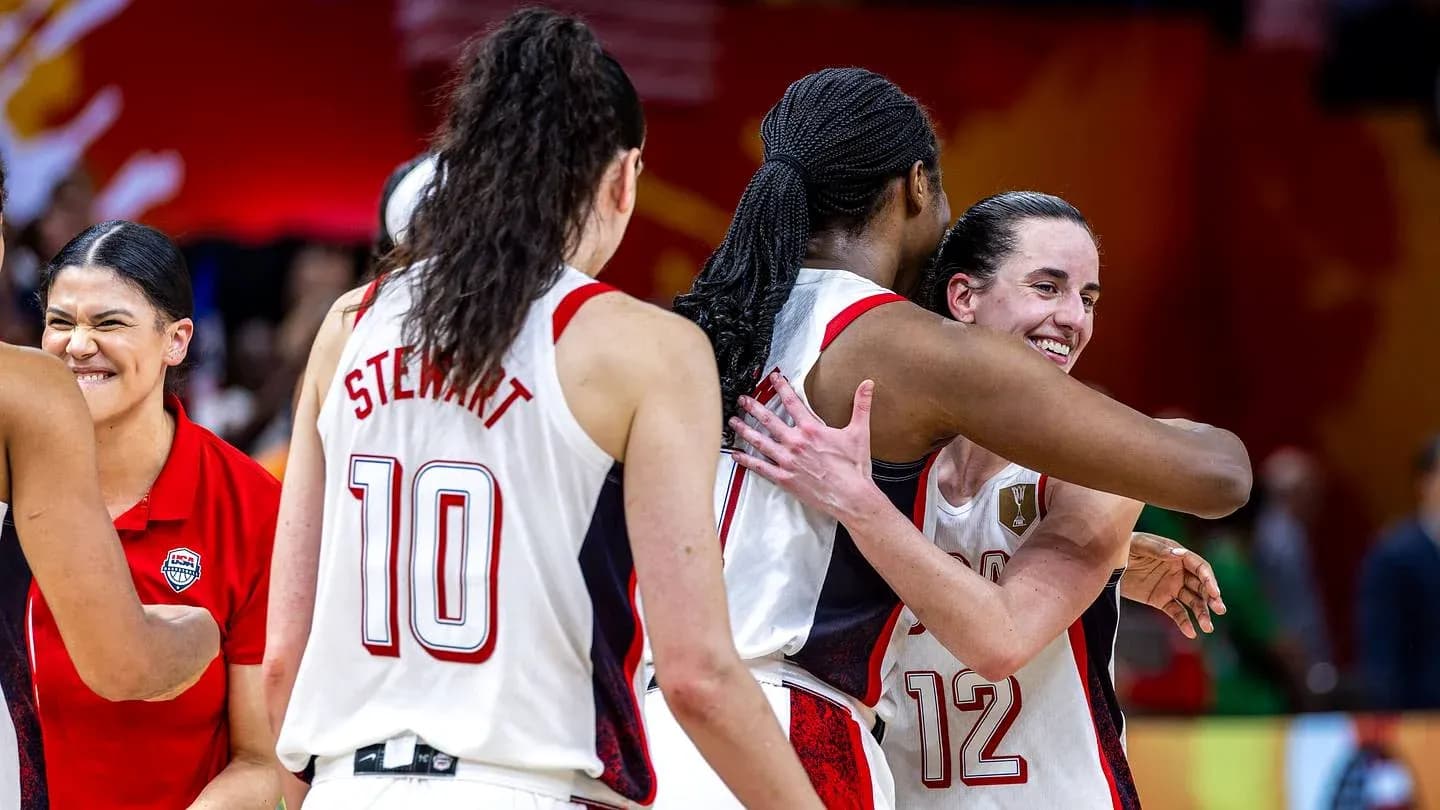
The United States are back in a familiar place: a Fiba Women’s Basketball World Cup final, again, for a fifth straight tournament. The route there, though, was anything but routine.
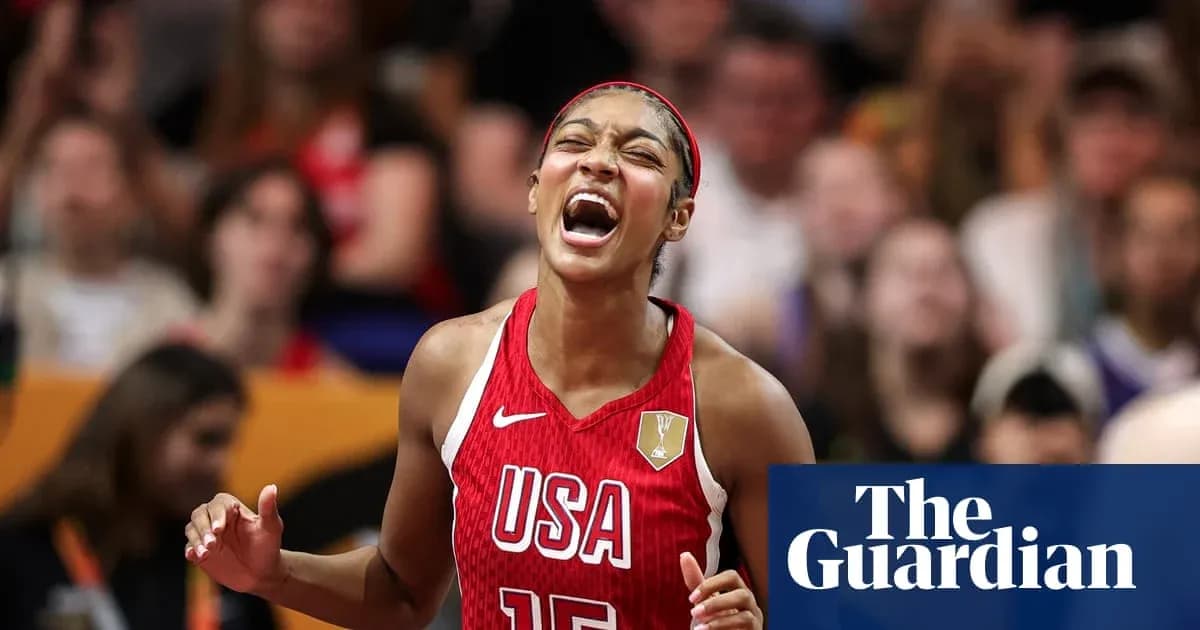
Locked at 58-58 after three quarters and rattled for long spells by a fearless Spain in Berlin, the four-time defending champions needed a ruthless final push to win 76-66 and stretch their World Cup winning streak to 35 games.
Spain swing first
Spain arrived with no intention of playing the underdog. They punched first and hard, racing to a 13-4 lead midway through the opening quarter as the US offense sputtered and the defense looked a step slow.
The Americans steadied, but never fully shook them off. By halftime the gap was still razor-thin at 39-36, a reflection of Spain’s composure and their ability to control tempo and spacing against a team that usually smothers opponents long before the break.
María Conde and Iyana Martín kept twisting the knife after the interval. Each buried a three-pointer early in the third quarter, wiping out the US cushion and forcing the Americans into half-court sets they never quite mastered from distance. When Martín calmly knocked down two free throws with 53 seconds left in the third, the scoreboard read 58-58 and the arena felt a potential upset brewing.
Stewart, Copper and Young slam the door
That was the moment the champions finally snapped into their highest gear.
Kahleah Copper and Jackie Young opened the fourth quarter with back-to-back scores, a simple statement that the margin for error had vanished. From there, Breanna Stewart took control of the game in the way only a true centerpiece can.
Stewart finished with 16 points, Copper with 13 and Young with 12, but it was the timing of their contributions that broke Spain’s resistance. Stewart’s poise in the half court, getting to her spots and forcing mismatches, gave the US the breathing room they had chased all night. The lead grew to eight with just over six minutes remaining, the defensive pressure tightened, and Spain suddenly found no easy looks.
The play that finally killed the contest came from Young. Reading a pass, she jumped the lane, raced the other way and finished the layup to make it 76-64 with 1:42 left. It was a veteran’s play, the sort of instinctive, decisive moment that separates a tight semi-final from a controlled finish.
Spain’s stand, and an off night from deep
Spain walked off beaten but anything but overwhelmed. Conde and Martín each poured in 17 points, carrying the offensive load and repeatedly dragging their team back into the fight. Their shooting and aggression forced the US to work for every stop.
Spain also did what few teams manage against this American machine: they dragged the US offense into discomfort. The United States shot just 40% from the field and a miserable three of 18 from beyond the arc. The perimeter simply never clicked.
Caitlin Clark, under the spotlight in her first senior World Cup semi-final, endured a quiet night. She finished with just one point and missed all three of her three-point attempts, another reminder that this US team, for all its star power, can still grind out wins when the long ball abandons them.
A streak that spans generations
The numbers behind this run are staggering. The US have not lost a World Cup game since a semi-final defeat to Russia in 2006. Thirty-five straight wins later, they are one victory from a fifth consecutive title, having already secured a fifth consecutive appearance in the final.
Yet this was no procession. Spain forced them into a street fight, exposed their shooting woes and made them chase the game for long stretches. The response, when it finally came, was cold and decisive — the hallmark of a team that knows exactly how to navigate the tightest corners of tournament basketball.
Next comes France in Sunday’s final, after the French swept past host Germany 86-64. Another European challenger, another chance to test the limits of a dynasty that refuses to loosen its grip.
The question now is not whether the United States can be beaten at this level. It’s who, on this stage, is truly ready to go the distance with them when the fourth quarter arrives and the champions bare their teeth.