U.S. Advances to FIBA World Cup Final After Tough Win Over Spain
BERLIN — For once, the U.S. juggernaut had to grind.
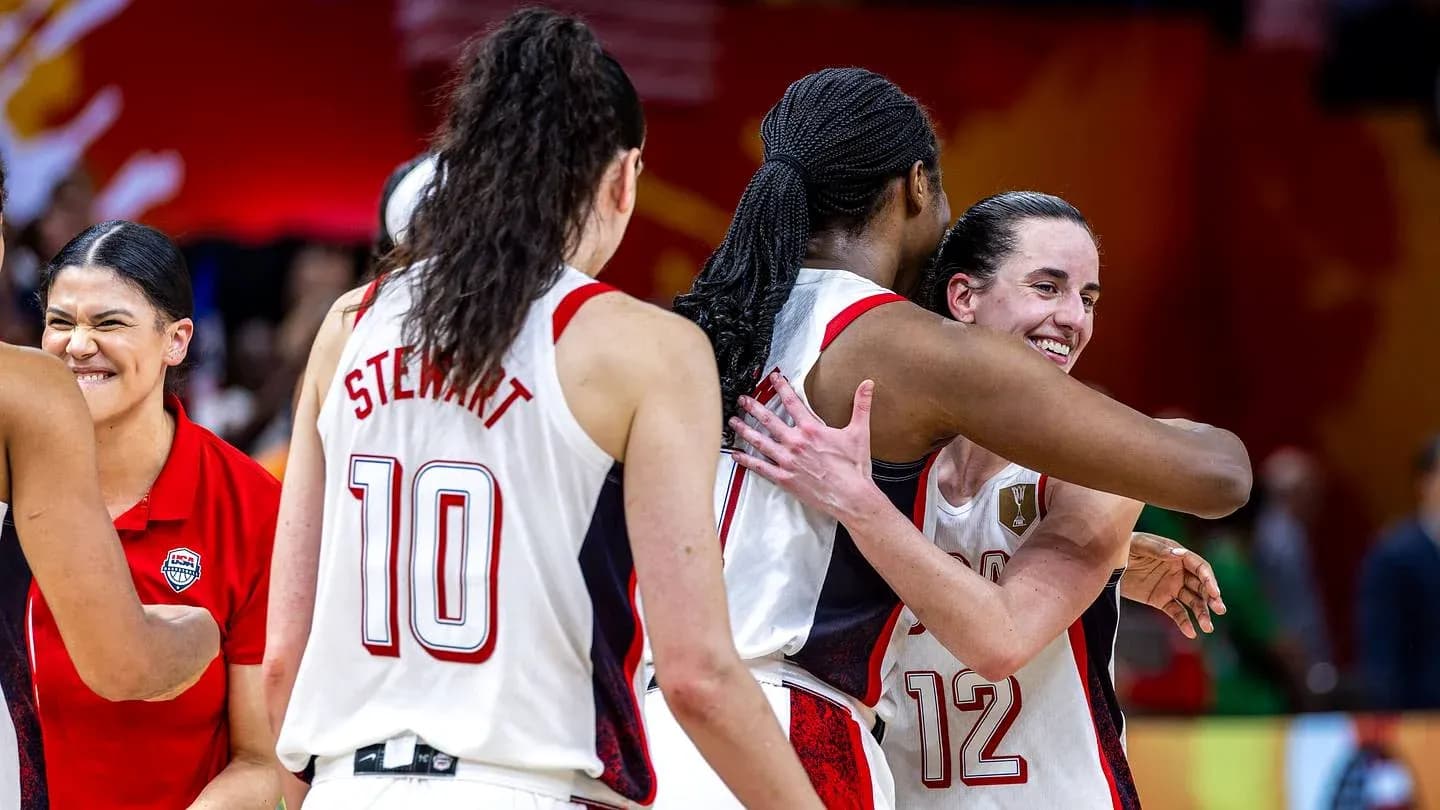
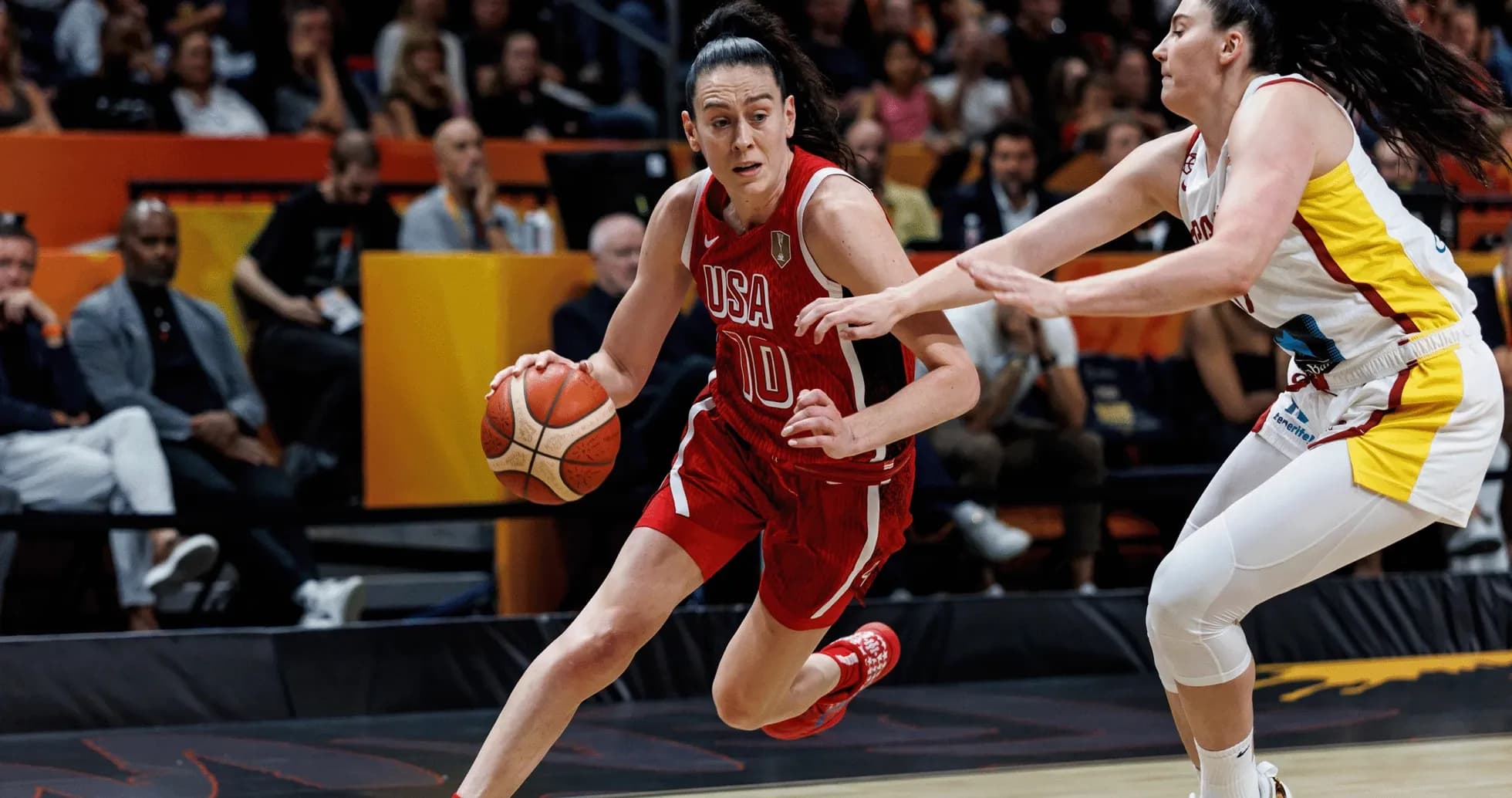
Breanna Stewart’s 16 points and Kahleah Copper’s 13 were enough to push the Americans past a stubborn Spain, 76-66 on Saturday, and into the women’s FIBA World Cup championship game. It wasn’t pretty. It didn’t need to be. It was ruthless in a different way.
Next up: France, and a straight replay of the 2024 Paris Olympics gold medal game that the U.S. edged by a single point. Another title on the line, another European power in the way.
A streak under pressure
The numbers behind this American run are already historic. This win stretched the U.S. World Cup streak to 35 games, a run that began after a semifinal loss to Russia in 2006. One more victory, and they’ll own a fifth consecutive World Cup crown, drawing level with the former Soviet Union for the longest run of titles the sport has seen.
Spain came to Berlin determined not to be another footnote in that story.
They punched first. Hard.
Nine of the game’s first 10 points belonged to Spain, who tore into the opening minutes and handed the U.S. its largest deficit of the tournament. That early seven-point hole, at 9-2, even surpassed the modest three-point gap they faced in the narrow 55-52 win over Italy.
When Spain pushed it to 16-9, the Americans looked flat, searching for rhythm that simply wasn’t there.
Then the bench arrived.
The U.S. newcomers injected pace and aggression, sparking a 12-2 run to close the first quarter. The scoreboard swung, the energy changed, but the pattern of the night was already clear: nothing would come easy.
A whistle-heavy slog
Spain’s plan was obvious and effective. They crowded passing lanes, bodied cutters, and turned every American catch into a wrestling match. The game slowed to a crawl under a barrage of whistles, and the U.S. had to live at the foul line just to keep the scoreboard moving.
By halftime, the Americans had taken 27 free throws — and only 26 field-goal attempts.
They made 19 of those foul shots and carried a 39-36 lead into the break, but there was no sense of control. The offense never flowed. Every possession felt like a negotiation with Spain’s physical defense and the officials’ patience.
The trend continued deep into the night. The U.S. finished 27 of 35 from the line, a stat that said as much about Spain’s approach as it did about American composure.
Game in the balance
Spain refused to fade. Every time the U.S. threatened to pull away, the European side found a response, hitting timely shots and forcing the Americans into awkward, static half-court sets.
By the end of the third quarter, the tension was thick. The scoreboard read 58-58. The undefeated giants were suddenly one bad stretch away from a seismic upset.
Then the U.S. finally imposed itself.
The fourth quarter opened with a surge: 12 of the first 14 points went to the Americans. Defensive stops turned into trips to the line. Stewart and Copper steadied the offense. The lead ballooned to 70-60 with 5:20 remaining, the largest margin either team had enjoyed all night.
Spain tried to claw back, but the gap never shrank beyond eight. The U.S. managed the clock, managed the contact, and managed the moment.
Full circle for Stewart, and a familiar foe ahead
This meeting carried a quiet echo for Breanna Stewart. Her first World Cup clash with Spain came in 2014, when the U.S. beat them for the gold medal in what was her debut tournament with the national team. A decade later, she’s the veteran centerpiece of a machine still rolling through World Cups without a single slip.
Spain made them work for every inch in Berlin, but the streak lives. The title defense remains intact. And now comes France, one win away, with history sitting right on the rim.