Venus Williams' Late-Night Farewell at the US Open
Venus Williams walked into Arthur Ashe Stadium on Sunday night expecting a primetime farewell of sorts. A wildcard, a home crowd, the lights of New York, and a first-round US Open tie against fellow American Sofia Kenin. It was set up like a tribute.
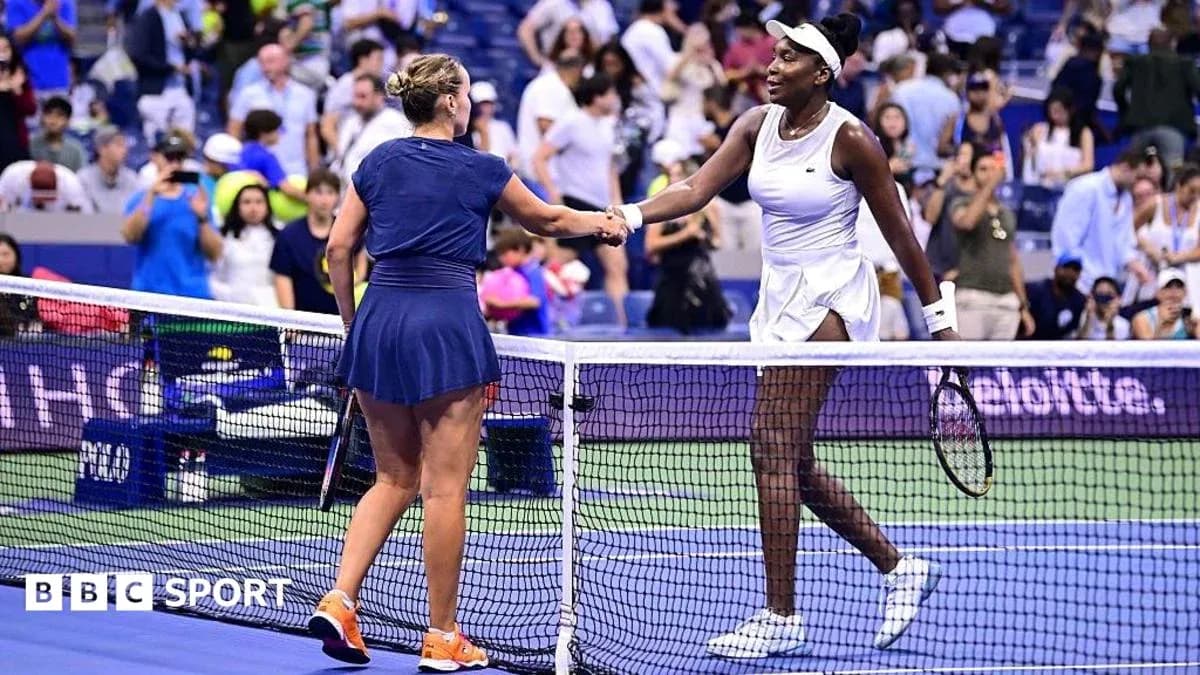
Instead, she walked on court after midnight on Monday, played in front of a thinning crowd, and walked off with a straight-sets defeat shortly after 2am.
“Not ideal,” she called it. That was generous.
At 46, on a 15-match singles losing streak, Williams has nothing left to prove and no reason to bite her tongue. The late start, she said, “wasn't great” for either player in terms of conditioning. She will return for doubles alongside Serena, but if this was the last time Venus played singles on Ashe, it ended not with a roar under the lights, but with the hollow echo of a stadium emptying into the Queens night.
And her frustration taps into a bigger fault line running straight through the Grand Slams.
The business of midnight tennis
Three of the four majors – the Australian Open, Roland Garros and the US Open – now live on a split schedule. Day session. Night session. Two different tickets, two different crowds, one stadium.
At the US Open, that means two marquee matches from 7pm: one men’s, one women’s. The idea is brutally simple. The same seat can be sold twice.
- Day ticket.
- Night ticket.
- Double the gate.
Night tickets carry a premium. They’re easier for fans who work during the day, and they almost always feature the biggest names. The evening becomes a product in itself: a packaged show, with a start time, a TV slot, and a price tag to match.
The numbers explain why organisers cling to it. ESPN’s domestic rights deal, signed in 2024, is worth $2.04bn through 2037 – $170m a year to show every match. Primetime tennis lets ESPN sell more expensive advertising slots, aimed at viewers who are still watching when the country’s late-night talk shows roll around at 11pm.
The sport has discovered that late-night drama pays. Handsomely.
But there is a cost. And it is almost always borne by the players.
When the schedule breaks the players
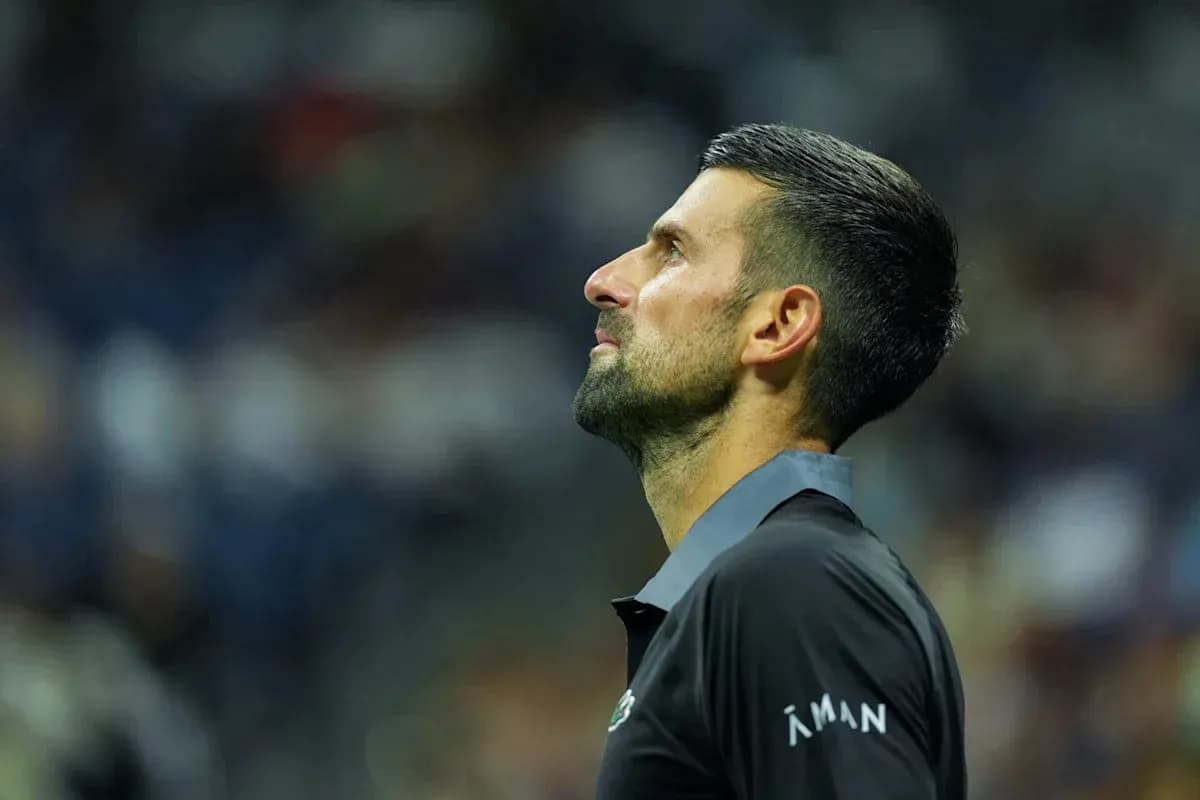
The Williams–Kenin match didn’t start after midnight because of rain, or chaos, or some freak delay. It started after midnight because Novak Djokovic and Mariano Navone went five sets and more than four hours in the opening act.
Everyone knows this can happen. A five-set men’s match can sprawl past four or five hours. A three-set women’s battle can easily clear three. Put two of those back-to-back in a night session, add the usual changeovers, walk-ons and on-court interviews, and the second match becomes a graveyard shift.
By the time Kenin closed out her win, the cavernous 23,933 seats of Arthur Ashe were dotted with only the hardiest fans. The atmosphere that was supposed to honour a legend had long since drifted towards the subway.
Organisers point to the fans when they defend the format. US Open tournament director Stacey Allaster said last year that late matches were “heavily discussed and reviewed” after the 2022 event, but the conclusion was to keep them.
The idea of starting earlier? On paper, a 6pm evening session might help. In reality, Allaster argued, it doesn’t work: New Yorkers struggle to reach Queens even for 7pm, never mind an hour earlier. Dropping down to one match at night? That, she said, would short-change ticket buyers who expect a full bill.
Tennis, she reminded everyone, doesn’t come with a fixed runtime. Sometimes it’s a brisk straight-sets win. Sometimes it’s a five-hour epic. That uncertainty is part of the sport’s charm.
It is also the root of its scheduling mess.
Wimbledon’s hard stop – and a different equation
Across the Atlantic, Wimbledon has taken a different path. No split sessions, no separate night ticket. Play begins at 11am and, crucially, stops at 11pm. If a match isn’t finished, it resumes the next day.
Players have grumbled when they’ve been yanked off court with victory in sight, but at least the rules are clear. Everyone knows the cut-off. Players can plan their recovery. Fans know they won’t be stranded on the District line at 2am.
The financial ecosystem is different too. The BBC, which broadcasts Wimbledon, is not built on selling advertising slots around midnight thrillers. It doesn’t need to manufacture late-night blockbusters to justify its investment. The pressure to squeeze every last drop of value out of the evening is simply not the same.
The contrast is stark: one Slam leans hard into the primetime show; another draws a line and lives with the occasional anticlimax.
Money, power and a brewing revolt
Late finishes are only one front in a broader fight between players and the Grand Slam tournaments. The argument is about money, yes, but also about control.
Players want a bigger share of the revenue that the majors generate. They point to packed stadiums, ballooning TV deals, and the relentless demands placed on them: late-night starts, tight turnarounds, long media sessions, and questions about pensions and long-term security.
This year, that tension boiled over. At Roland Garros and Wimbledon, stars including Coco Gauff, Aryna Sabalenka and Jannik Sinner cut back their media commitments in protest at what some see as unfair working conditions.
The pressure worked, at least in part. Wimbledon and the US Open have agreed to increase prize money for 2026. More significantly, the majors have signed off on a Grand Slam players advisory council, due to launch after this US Open, which will give players a more formal voice in how the tournaments are run.
What that council chooses to target first will be telling. Late-night finishes sit near the top of most players’ list of grievances. They disrupt recovery, distort the competition, and turn some of the sport’s biggest stages into half-empty arenas at the very moment they should be crackling.
If the players push to rein in night sessions, the ripple effects will be immediate. Fewer guaranteed primetime matches would almost certainly make broadcasters think twice about the sums they are willing to pay. A smaller TV deal means a smaller pot. And that, in turn, could mean less prize money – the very thing players have just fought to increase.
This is the tension at the heart of modern tennis: the show versus the sport, the ledger versus the locker room.
For now, the stalemate holds. The US Open keeps selling its late-night spectacle. Broadcasters keep paying. Players keep walking on court at ungodly hours, trying to summon peak performance when their bodies are screaming for sleep.
Venus Williams, a seven-time major champion who helped build the platform the sport now stands on, found herself serving under fluorescent lights to a scattering of fans at 2am. The spectacle looked more like a scheduling failure than a celebration.
The question now is whether the next generation of stars – the ones who will fill these stadiums for the next decade – are willing to accept the same deal. Or whether one day soon, a council room, not a court, becomes the place where the clock finally runs out on tennis at 3am.