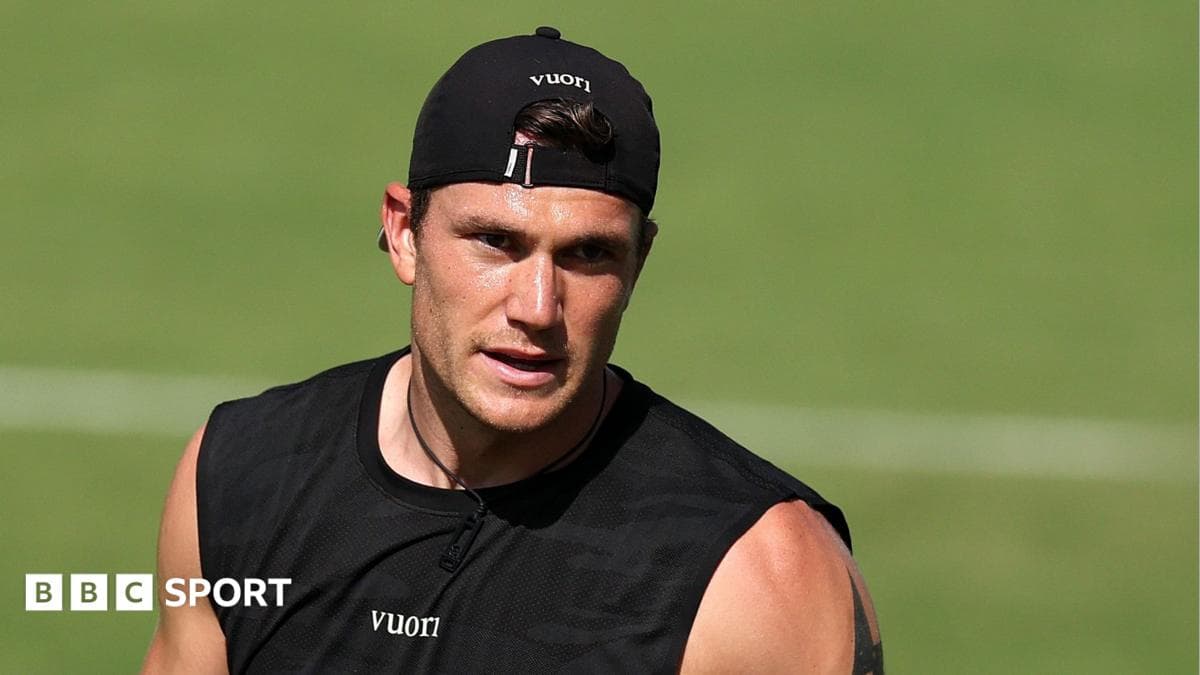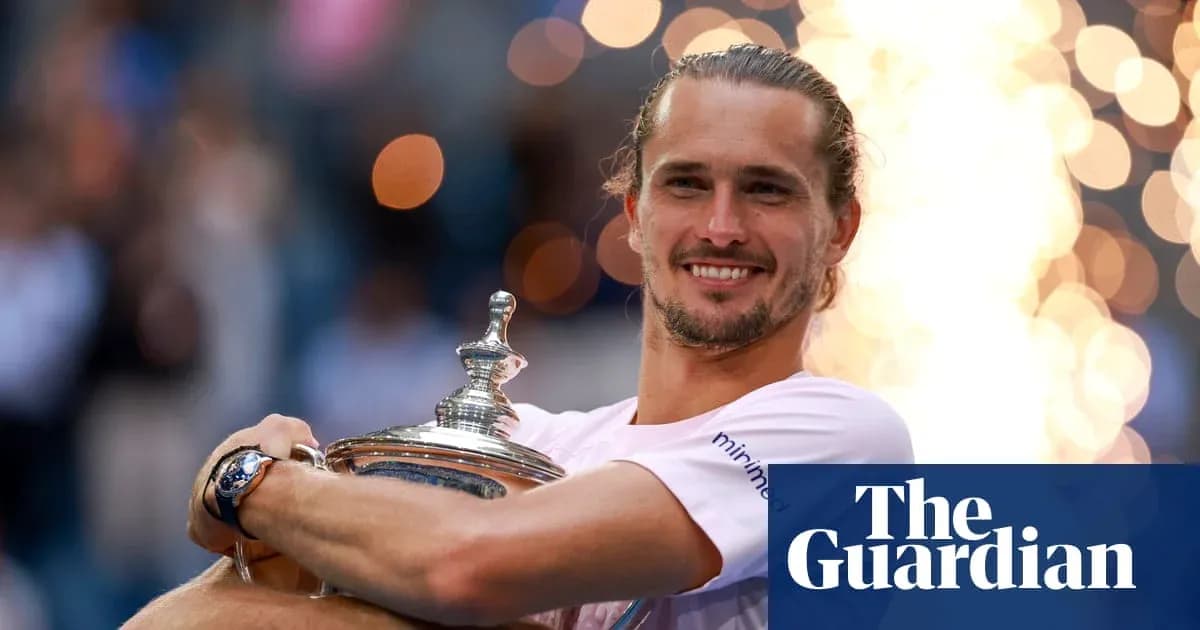
Zverev Triumphs Over Shelton in US Open Final
Ben Shelton had finally found a crack.
For nearly three hours inside Arthur Ashe Stadium, the American had been bullied by the top seed’s serve, outmanoeuvred from the back of the court and pushed to the edge of a straight-sets defeat. Then, at 5-6 in the third set, something snapped. Shelton charged into the return game, swung freely on his forehand for the first time all afternoon and broke Alexander Zverev to stay alive. He roared, pumped his fist, cupped his ear to the crowd and dragged the US Open men’s final into a fourth set that, briefly, felt like a new match.
It wasn’t.
Shelton opened the fourth set with a nervy, faltering service game and was broken immediately. The surge had come too late and cost too much. Zverev, unmoved by the noise and the symbolism of the occasion, reasserted his control, pressing again on return, serving with icy precision and closing out a 6-3, 7-6 (2), 5-7, 6-2 win to secure his second grand slam title of the year.
Zverev’s historic season
At the start of this season, Zverev still carried the label that has shadowed him for years: a top-tier talent without a major title. Now he stands in rare company. By adding the US Open to his earlier triumph this year, the German becomes only the fourth man in the Open era, after Jimmy Connors, Guillermo Vilas and Jannik Sinner, to claim his first two grand slam titles in the same campaign.
His victory also slammed shut a door that had creaked open onto history. Shelton was chasing more than his first major; he was trying to become the first Black American man since Arthur Ashe in 1968, and the first American man since Andy Roddick in 2003, to win the US Open. On a sun-bleached Sunday that seemed set up for a statement, Zverev’s superiority turned it into a lesson instead.
The head‑to‑head between these two has become its own story. Zverev now leads Shelton 6-0. It is not just a number; it is a pattern. The matchup suits the German. He serves more reliably, defends more calmly, and his rock-solid two-handed backhand blunts the left-hander’s explosive forehand, the shot Shelton usually uses to bully opponents out of rallies. On this stage, that dynamic held firm.
A serving duel that never quite was
On paper, this final promised a serving shootout. Two of the biggest deliveries in the sport, under the lights of Arthur Ashe, with a title on the line. The first job for both men: protect their serve and wait for a crack.
Shelton blinked first. Visibly tight at the start, he double-faulted on break point in the opening game of the match, gifting Zverev an early lead. When the set reached its climax, the same flaw resurfaced. Serving at 3-5, set point down, Shelton produced another double fault. Two costly lapses, two breaks, and a set gone with barely a fight from the baseline.
That was the other problem. Shelton’s forehand, usually his weapon, sprayed errors. He struggled to construct points, struggled to stay in rallies long enough to threaten Zverev’s rhythm. The German, by contrast, delivered the kind of serving performance that wins majors: 69% of first serves in, and 85% of those points won. With numbers like that, Shelton’s margin for error on return shrank to almost nothing.
The second set finally brought some resistance. Shelton steadied his delivery, found better patterns on serve and managed to drag Zverev into a tie-break. The crowd leaned in, sensing a turning point. Instead, they watched Zverev step on the accelerator.
He stole the first mini-break with a clean forehand passing shot after a tentative approach from Shelton. On the next big point, another tight exchange ended with Zverev cracking a ferocious forehand down the line for a second mini-break. Two unreturned serves followed. In a blink, it was 5-0 in the tie-break. The set was effectively gone, and the final felt as if it might be too.
Shelton refused to fold. He kept swinging, kept chasing, and in the third set he finally made Zverev feel some heat. That late break at 5-6 carried him into a fourth set that he had no real business reaching on the balance of play. Yet the emotional high of that escape seemed to drain him. The opening game of the fourth was loose, riddled with errors, and Zverev pounced. From there, the finish was brisk and clinical. The inevitability that had hung over the match since the first game reasserted itself and, this time, it did not lift.
A title against a bleak backdrop
This final capped a strangely muted grand slam season on the ATP tour. The year has been shaped as much by absences as by achievements. Carlos Alcaraz spent months sidelined and only returned from a long injury layoff at this tournament. Jannik Sinner, too, has battled physical issues. Their struggles opened the door for the chasing pack, offering a rare stretch in which the sport’s most explosive young forces were not dictating every major draw.
Very few took advantage. Opportunities appeared, and then vanished. Players flirted with contention but rarely stayed there long enough to matter. Zverev, for all the questions that trail him, did. He kept putting himself in position, week after week, deep into the second weeks of majors. That persistence has paid out in the most tangible currency the sport offers. Each step through these draws, each win in tight moments, has hardened him.
Yet Zverev’s success does not land cleanly with everyone.
He has been accused by two former partners, Olya Sharypova and Brenda Patea, of physical abuse. During his run to the French Open final in June 2024, he settled an assault case in Germany related to allegations that he pushed and strangled Patea, the mother of his daughter. The case ended without a verdict, with a court spokesperson stating: “The truth remains open.” Zverev has denied those charges and all other allegations.
The tension between his on-court achievements and the unresolved accusations has followed him across continents. At the Australian Open last year, a fan interrupted his trophy ceremony speech, shouting: “Australia believes Olya and Brenda.” This season’s three grand slam finals have passed without such flashpoints, and Zverev remains a popular figure at big events, but the disquiet lingers in parts of the tennis audience. His trophies do not erase that.
Shelton’s rise, and the gap that remains
For Shelton, this defeat still comes at the end of the finest stretch of his young career. He arrived on the North American hard courts trying to shake off the sting of a painful first-round exit at Wimbledon. He leaves with a second Masters 1000 title from the Canadian Open, a first grand slam final and a new career-high ranking of world No 4.
Those milestones underline his rapid rise and his capacity to improve. At 23, his ceiling remains high, his game still raw enough to grow. His serve is already one of the most feared in the sport, his athleticism electric, his personality built for big stages like Arthur Ashe.
But Sunday also laid bare the work ahead. Against the very best, the flaws in his ground game and his return of serve stand out. Zverev exposed both, dragging him into rallies he could not consistently win and neutralising his biggest weapon with relentless depth and that impenetrable backhand. For long stretches, Shelton looked like what he is: a future contender still learning how to handle the most complete players in the game.
He will have other chances. The question, after this US Open, is who will be ready to meet him there—and who, in a season of missed opportunities, will be bold enough to stay with him when the next window for a grand slam title opens.