Alexander Zverev Claims US Open Title with Experience and Composure
Alexander Zverev walked into Arthur Ashe Stadium carrying the weight of a career’s worth of questions. He walked out a multiple Grand Slam champion, having silenced both a raucous home crowd and the lingering doubt that he might never quite get there.
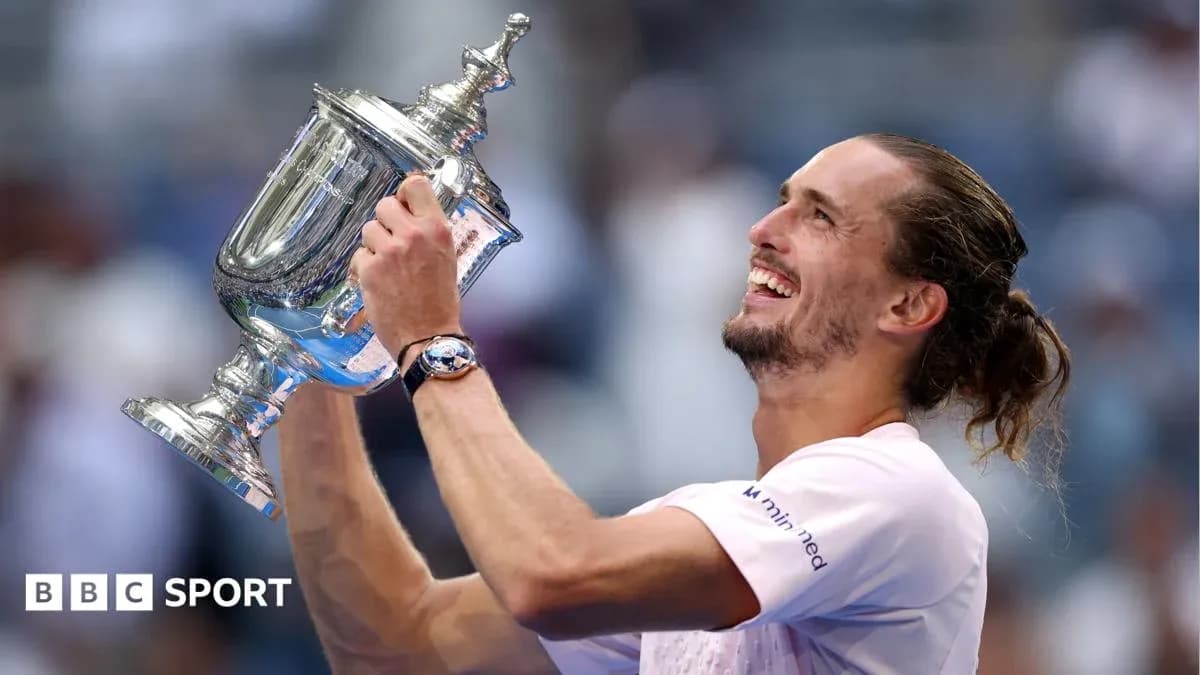
The German top seed, already liberated by his breakthrough at Roland Garros earlier this year, added the US Open title with a 6-3 7-6 (7-2) 5-7 6-2 win over Ben Shelton, the American left-hander cast as the nation’s next great hope. On a night built for a coronation of the local favourite, it was Zverev’s experience and composure that dictated the script.
Experience over electricity
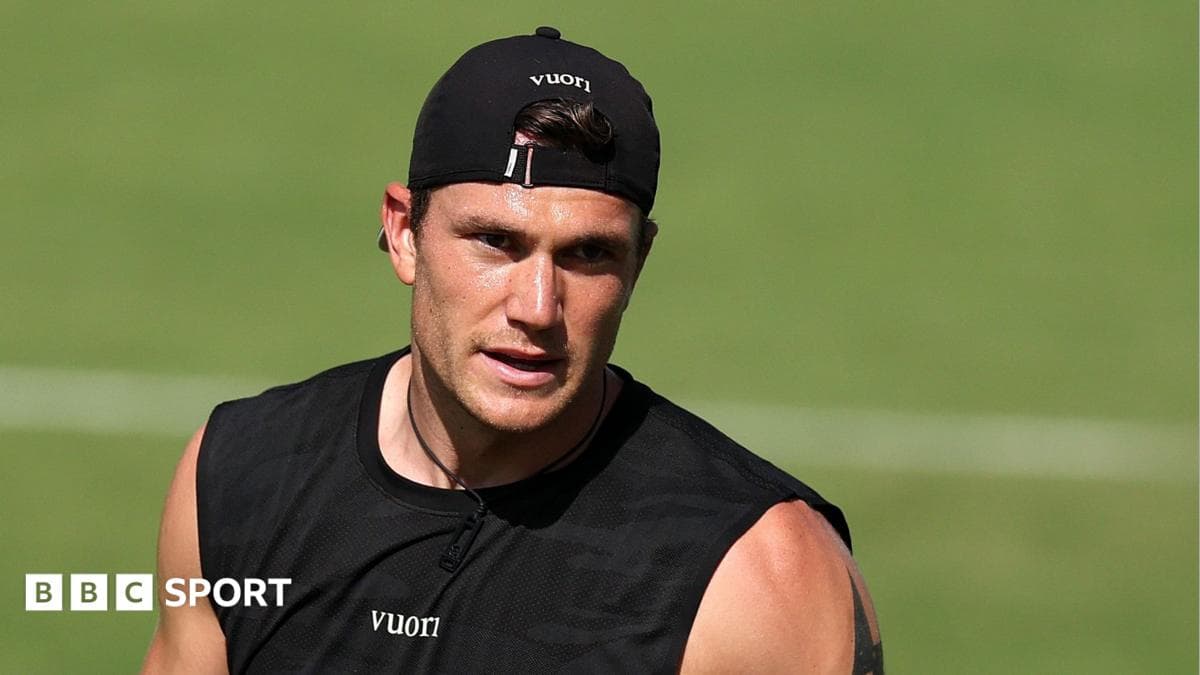
Shelton arrived with the sort of raw electricity that makes highlight reels and marketing campaigns. Big serve, heavy forehand, swagger. A player long tipped to win the sport’s biggest trophies. But this was his first Grand Slam final, against a man who has lived through the agony of three lost majors and the scrutiny that followed.
Nerves surfaced immediately. Serving the opening game, Shelton double-faulted on break point. One loose swing, one early crack. Against Zverev, that kind of gift tends to come with a bill attached.
From there, the German went to work. He leaned on his first serve, locked into the backhand exchanges, and relentlessly probed Shelton’s weaker wing. The rallies from the baseline felt like a tutorial: Zverev shifting his opponent from corner to corner, Shelton forced to hit up and out of his comfort zone. The first set slipped away 6-3, sealed fittingly when Shelton coughed up another double fault on set point.
The crowd tried to lift their man, but Zverev had already settled into the kind of rhythm that has defined his 2026 season.
A different Zverev
At the start of the year, few would have gambled on this version of Alexander Zverev. He had the talent, the ranking, the reputation, but also the scars: three major finals lost, a career threatening to become a story of unfulfilled promise.
Then came Paris. Winning the French Open removed a burden he had carried for a decade. In New York, he played like someone who finally believed what the rankings had been saying for years.
The landscape helped. Carlos Alcaraz, who had shared every major with Jannik Sinner across 2024 and 2025, missed Roland Garros and Wimbledon. Sinner sat out the US Open. The two men who had turned the Grand Slams into their private duopoly were suddenly absent. Zverev stepped through the gap.
He didn’t exactly glide through the draw. A below-par start saw him survive a string of late-night battles in the early rounds, dragging himself through in the small hours. He did not face a top-20 opponent until the final. But as the fortnight wore on, his level rose. By the time he met Shelton for a sixth time, he had not dropped a set to the American in any of their previous meetings. That dominance showed again.
Tie-break nerve, and a reminder of 2020
The second set followed a familiar pattern. Shelton threatened in bursts, the stadium roared whenever he uncorked a thunderous serve or a forehand winner, but Zverev kept tightening the screws in the longer exchanges. He earned a single break point in the fourth game and missed it, yet never panicked.
The set rolled inevitably toward a tie-break. This is where Zverev’s maturity told. His record in breakers is one of the best on tour, and he played this one like a man who trusted his patterns. First serve percentage up, errors down, targets clear. Shelton, by contrast, blinked. Zverev swept through it 7-2, and for a moment the match threatened to echo the 2020 US Open final, when he led by two sets and still contrived to lose.
This time, he refused to flinch.
Shelton’s surge, and American hope
The contest finally cracked open in the third set. Shelton loosened his shoulders, went after Zverev’s serve, and for the first time the German felt the full force of the American’s game. The home crowd sensed it instantly. Every successful return, every break point, was greeted like a match point.
Shelton carved out three chances to break. On the third, he landed. The roar from 24,000 fans on Arthur Ashe Stadium sounded like a decade’s worth of frustration being released. For the first time all evening, Zverev’s grip looked vulnerable.
Shelton rode that wave to take the set 7-5, and with it came the old narrative: was Zverev about to let another major slip from a winning position?
Authority restored
The answer came quickly. Any doubts that crept in during the third set were crushed at the start of the fourth. Zverev reset, sharpened his return, and pounced early on Shelton’s serve. The American, chasing his first major and the chance to become the first home men’s champion since Andy Roddick in 2003, suddenly found the court smaller and the target narrower.
Zverev broke, then held, then broke again. The rallies shortened, not because he rushed, but because he picked his moments with ruthless clarity. The big American forehand that had lit up the third set was now rushed, forced, often overcooked. The dream that had briefly felt real for the home fans evaporated game by game.
By 5-2, the match felt done. Yet the ending still carried a touch of the surreal.
On championship point, Shelton’s return flew long. Zverev, locked in the moment, didn’t immediately celebrate. For a beat, he stood there, almost unsure. Only when his team gestured from the box, pointing at the scoreboard, did the realisation land. Then came the broad, slightly disbelieving smile. The job was finished. Again.
From doubt to dominance
Two Slams in three months. A 30-year wait in his inner circle, broken twice in one summer.
Addressing his team, led by his father Alexander Sr and brother Mischa, Zverev didn’t talk about tactics or rankings. He talked about the grind. The years of work, the suffering, the pain. He framed 2026 as the outcome of everything that came before, the culmination of a long, uneven climb.
The context matters. Sinner and Alcaraz will return. The era of shared dominance may resume. But in their absence, Zverev didn’t just sneak through a side door. He kicked it open, answered the doubts, and turned a career of “almost” into a season of “actually”.
Shelton will have more nights like this. His game, his temperament, his stage presence – they all point toward more chances on the biggest courts. On this night, though, experience beat potential, control beat chaos, and the partisan noise of New York could not drown out the sound of a champion finally playing like one.
The question now is no longer whether Alexander Zverev can win the biggest prizes. It’s how many more he plans to take.