Ajax's Bold Rebuild: Cruyff's Strategy for Success
Ajax did not tiptoe through this transfer window. It stormed it.
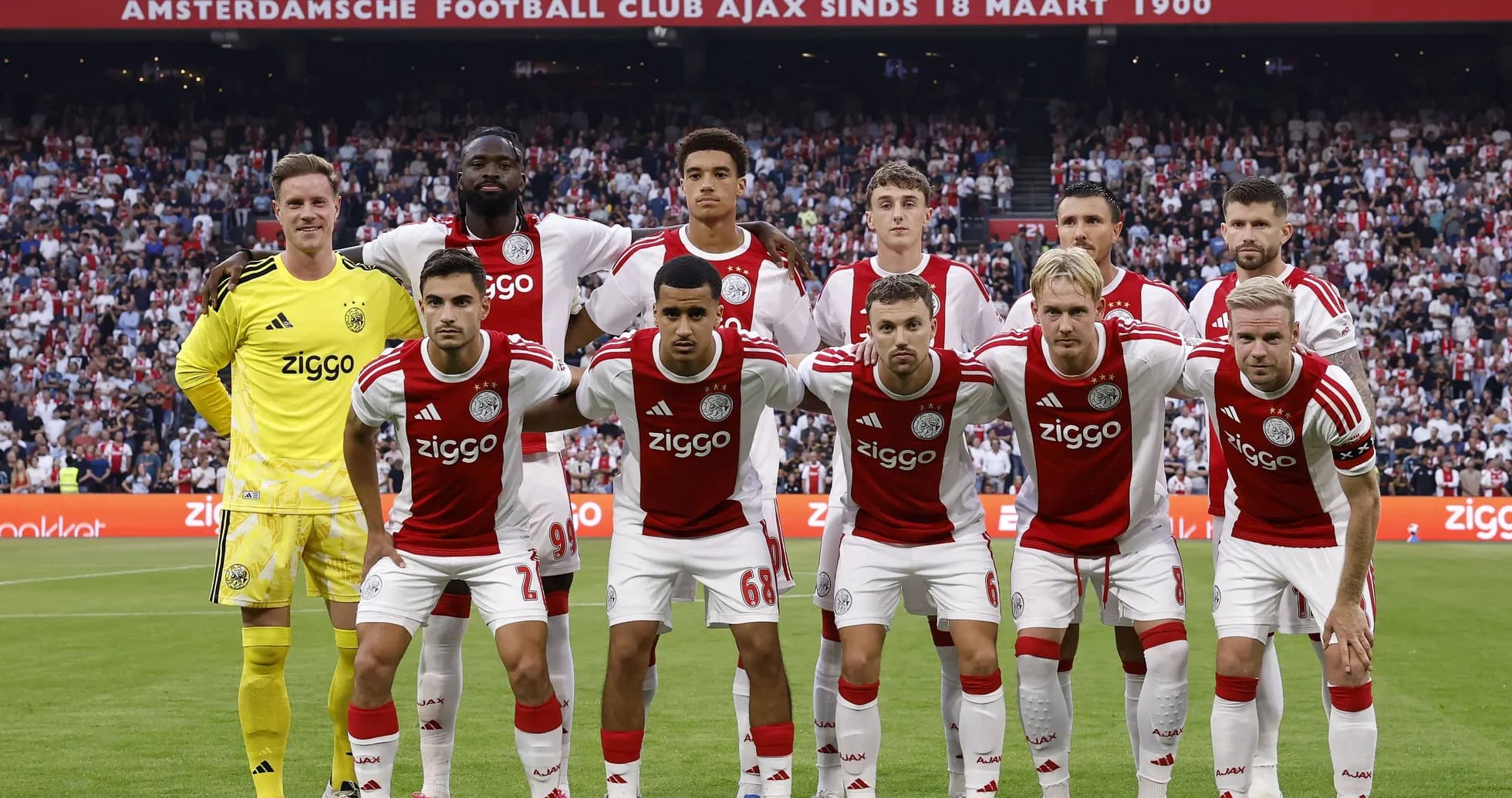
From Marc-André ter Stegen in goal to Sofyan Amrabat in midfield and Julian Brandt between the lines, the Amsterdam club went hunting for proven, elite talent and landed it. For a side supposedly in “rebuild mode”, these are not the moves of a club content to wait patiently for a new cycle. They are the moves of a club that still sees itself as a European heavyweight—and expects the rest of the world to remember it.
“You see it in their eyes”
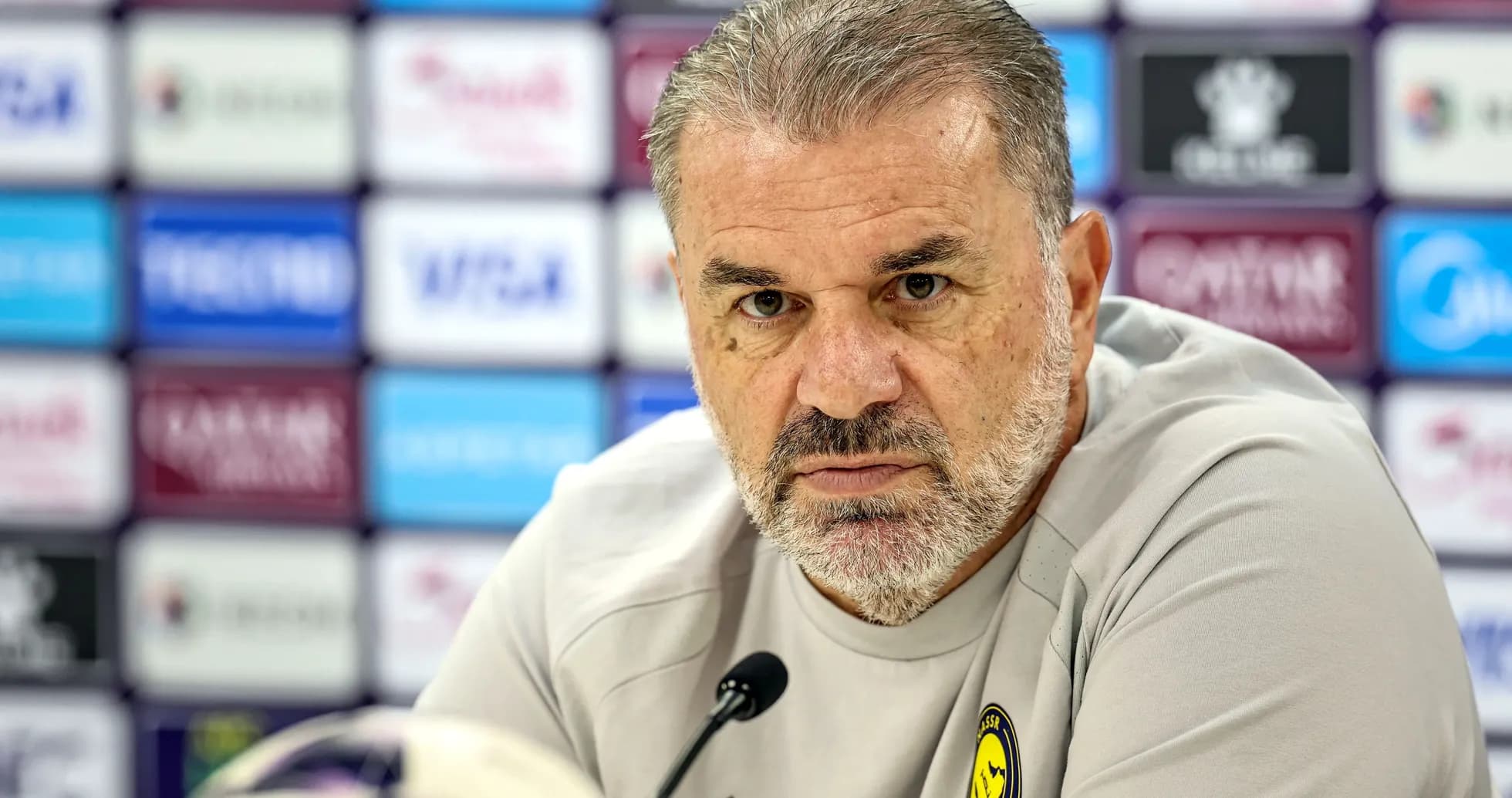
Sporting director Jordi Cruyff cut a relaxed but pointed figure as he sat down with ESPN NL to dissect the window. The message came early and clear: Ajax might have stumbled in recent seasons, but the badge still does the talking.
“When you mention the name Ajax, you can see from their eyes that they are very interested,” he said. That simple line underpinned the entire strategy. Ajax leaned on its history, its style, its reputation as a finishing school for world‑class players—and used it to tempt senior figures who want to win now, not in three years.
“We have to get back to the top. Senior players want to compete and perform at their peak right now.” Cruyff wasn’t dressing it up. There is no soft reset here. This is a reset at full speed.
Brandt in the shadows
Among the headline arrivals, one transfer clearly gave Cruyff particular satisfaction: Julian Brandt.
The German playmaker’s move was executed in near-total silence. No drip-fed leaks. No rolling saga. Just a sudden Friday evening announcement that caught even seasoned observers off guard.
Cruyff loved it.
“For once, we as a club showed that we determine when information comes out,” he said, a hint of pride in the control Ajax finally wrestled back from the rumor mill. In an era when negotiations often play out on social media, Ajax went old-school: closed doors, tight circles, no noise.
He framed the move in the language of his family’s footballing DNA, quoting his father Johan: “If you don’t shoot, you will never score. Sometimes you just have to try.” The shot, in this case, was a bold pitch to a top-level creator, kept away from the glare until the ink had dried.
Human first, not just numbers
Cruyff also lifted the lid on how he sells Ajax to targets. Not with spreadsheets and tactical diagrams alone, but with something more basic and, in his view, more powerful: human connection.
His approach focuses on the person before the player—what they want at this stage of their career, what drives them, how they see themselves fitting into a club trying to reassert itself. In a market obsessed with data and marginal gains, Ajax’s sporting director is leaning heavily on something that can’t be quantified: trust.
That personal touch helped tip the balance with figures like Brandt and Amrabat, who are not prospects but finished products, walking into a dressing room expected to compete for silverware immediately.
Big names, controlled risk
High-profile arrivals usually mean one thing: high-profile spending. Cruyff pushed back hard on that assumption.
“This is not risky at all,” he insisted when asked about the financial side. His argument is simple: the real danger lies not in wages, but in transfer fees.
“The biggest risk is paying expensive transfer fees from club to club. Eight of eleven new players arrived for free or on loan.” That statistic underpins the entire window. Ajax spent its influence and its wage budget, not its transfer kitty.
Sales revenue, Cruyff pointed out, comfortably outstripped expenditure. Even with the painful absence of Champions League money, he painted a picture of a balance sheet that remains intact, not stretched. Free agents and loan deals brought in experience and quality while limiting long-term damage if a signing fails to hit.
The criticism about wage structure and potential dressing-room imbalance will not vanish overnight. But Cruyff is clearly betting that the upside of proven performers on low or no fee outweighs the risk of a misfire on a major transfer.
Accepting the talent drain
Not every outgoing deal pleased Ajax. Losing Mika Godts to Paris Saint‑Germain fits a familiar pattern: a gifted youngster, spotted early, nurtured, then plucked by a superclub before he fully blossoms in Amsterdam.
Cruyff did not sugar-coat that reality. He acknowledged that the Eredivisie remains a springboard to Europe’s elite, Ajax included. The club can fight to delay departures, can negotiate stronger fees, can build better pathways—but it cannot completely alter the gravitational pull of the very top.
That acceptance shapes the strategy. If the brightest youngsters are likely to move on, the first team must be constantly reinforced by players who can deliver immediately, keeping Ajax competitive while the next wave develops.
De Topper as an early verdict
Now comes the first real stress test: De Topper against PSV.
Ajax walk into that clash with a “radically transformed squad,” as Cruyff himself put it. PSV, by contrast, offer continuity and stability, a settled side with clear automatisms and recent success to lean on.
Cruyff respects that platform but refuses to bow to it. He expects Ajax to contest every trophy on offer this season, not to hide behind the excuse of transition. “We have taken a big step in the right direction,” he said. “Our job now is to prove it tangibly on the pitch.”
That is where the new project will be judged. Not on the elegance of the wage structure. Not on the secrecy of the Brandt deal. On the grass, under pressure, against a direct rival that has no intention of surrendering its place at the summit.
Ajax have fired their shot. In the coming weeks, Dutch football will find out whether Cruyff’s gamble has hit the target—or whether this bold rebuild still needs another revolution.