Andy Roddick Proposes Simple Fix for Grand Slam Runner-Up Speeches
Andy Roddick Reflects on Runner-Up Speeches in Grand Slams
Having lost four of his five Grand Slam finals, Andy Roddick knows firsthand the challenge of delivering a speech after falling short. The last American man to win a major, Roddick claimed the 2003 US Open title but then faced four consecutive final defeats, all against Roger Federer. These losses included three at Wimbledon and one more at the US Open.
Roddick's Grand Slam Final Record
- Win: 2003 US Open (Hard) vs. Juan Carlos Ferrero – 6–3, 7–6(7–2), 6–3
- Loss: 2004 Wimbledon (Grass) vs. Roger Federer – 6–4, 5–7, 6–7(3–7), 4–6
- Loss: 2005 Wimbledon (Grass) vs. Roger Federer – 2–6, 6–7(2–7), 4–6
- Loss: 2006 US Open (Hard) vs. Roger Federer – 2–6, 6–4, 5–7, 1–6
- Loss: 2009 Wimbledon (Grass) vs. Roger Federer – 7–5, 6–7(6–8), 6–7(5–7), 6–3, 14–16
Roddick Shares Thoughts on Post-Match Speeches
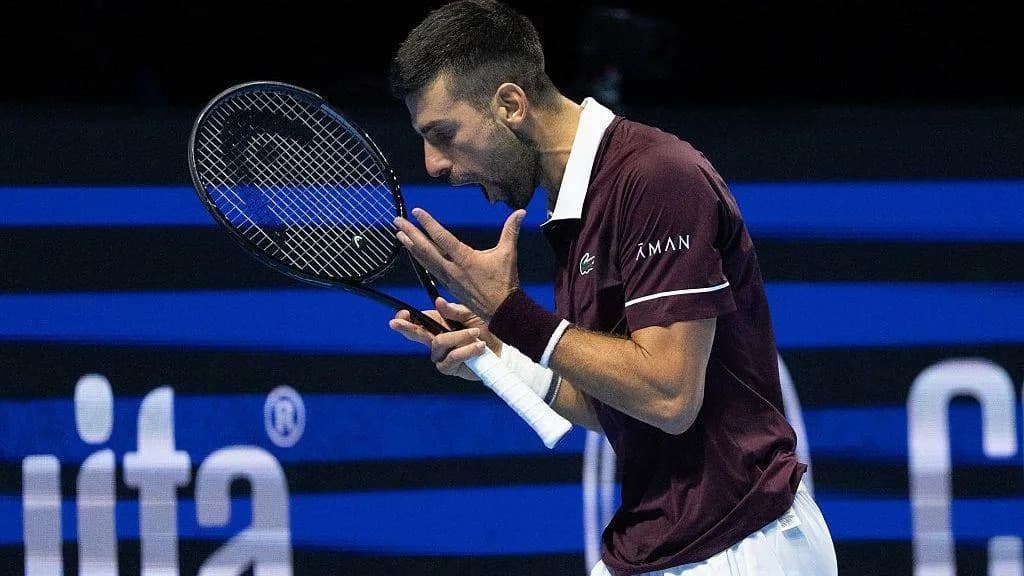
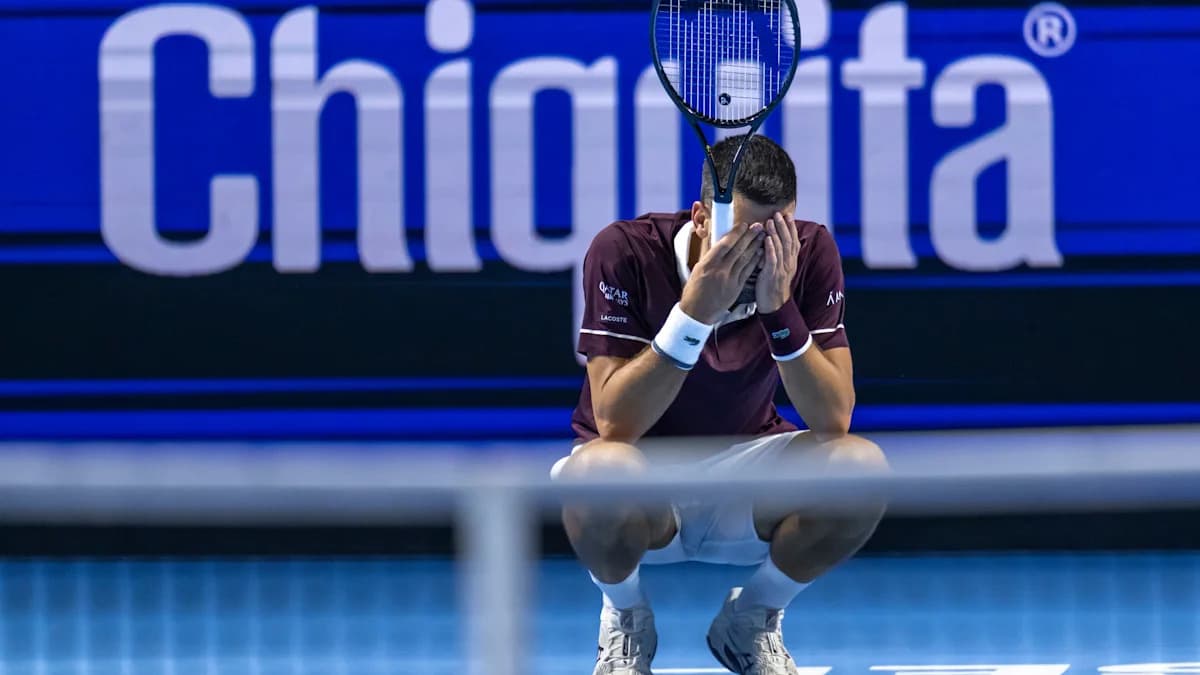
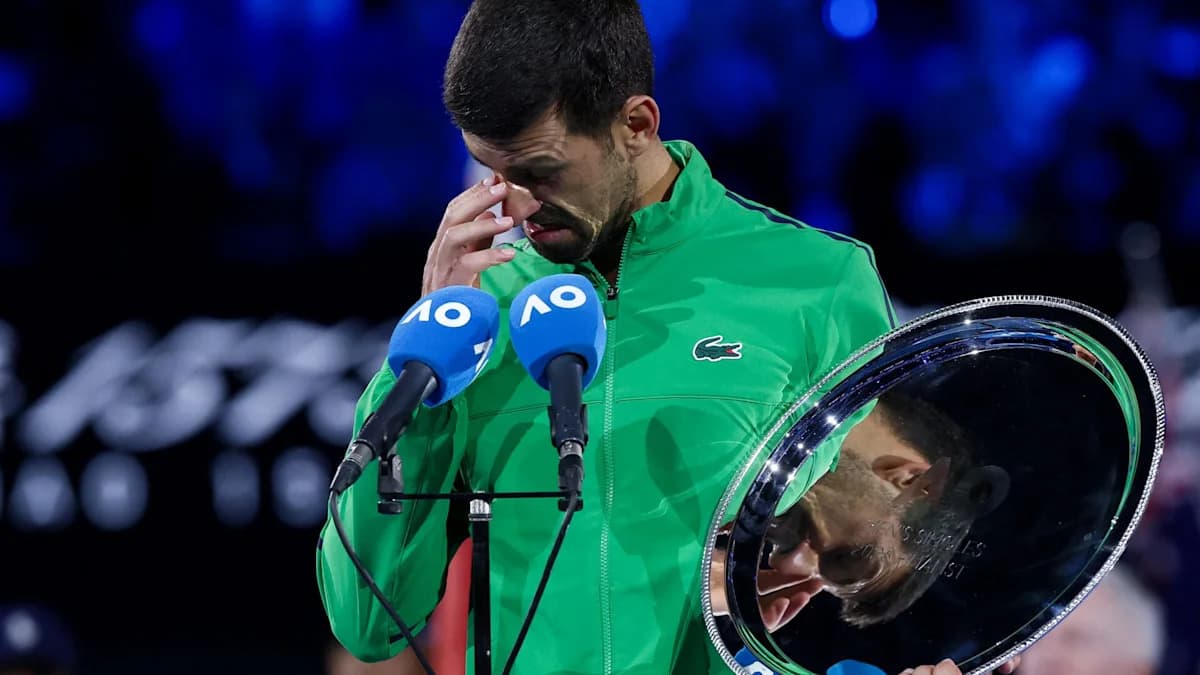
On his Served podcast, Roddick opened up about the difficulty of speaking after a tough loss. He recalled the 2009 Wimbledon final as especially hard, knowing that breaking emotionally might end his chance of continuing strong in the moment. He described the experience as having your head down to avoid showing how torn apart you feel.
He noted two key things: giving a speech in such moments is nearly impossible, but if a player manages to show genuine emotion and strength, it can change public perception positively. Roddick praised Ben Shelton's post-US Open speech, calling it one of the best he's seen right after a tough defeat, particularly highlighting the respect shown between players and their teams.
A Simple Proposal for Runner-Up Speeches
Roddick suggested that runner-up speeches should be optional, leaving it to the player's choice whether to speak or not. He proposed that players could simply say “thanks to my team,” express gratitude, or even decline to speak if they aren’t ready. He acknowledged that broadcasters might dislike this idea, but emphasized the simplicity and respect it would offer the players.
The Reality of Runner-Up Speeches
Many fans want to hear from the losing finalists, but often these speeches lack impact because players just want to exit quickly. The situation worsens when players must wait during court preparations and listen to tournament officials before they speak. Letting players decide would ease this awkwardness.
Roddick’s suggestion likely won’t be adopted soon, given the interests of tournament organizers and networks. Runner-up speeches are common across both ATP and WTA tours, making this a broader issue beyond Grand Slams alone.