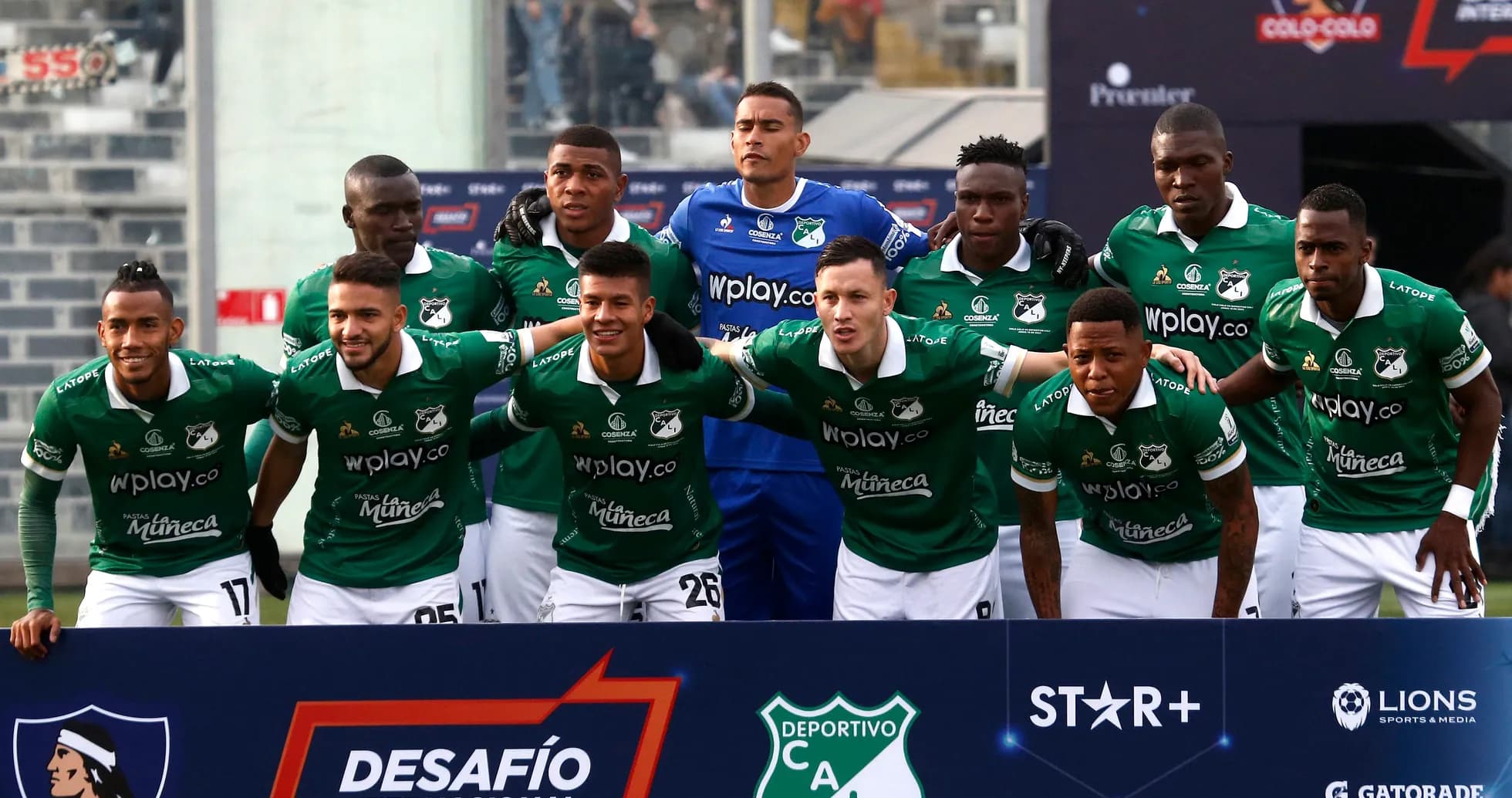
Armed Attack on Johan Martínez Highlights Security Crisis in Colombian Football
Deportivo Cali winger Johan Martínez has survived a violent armed assault in Cali, a chilling incident that has dragged Colombian football’s worsening security crisis back into the spotlight.
Martínez was travelling through the city with his family when alleged club supporters intercepted his vehicle and threatened him at gunpoint, according to reports from Marca. The ambush, carried out away from the stadium lights and television cameras, turned an ordinary journey into a terrifying ordeal for a young player and his loved ones.
Deportivo Cali moved quickly. Within hours, the club’s hierarchy issued a strong, carefully worded statement that left no room for ambiguity.
“Club Profesional Deportivo Cali S.A. categorically rejects the acts of violence and intimidation to which our player was subjected yesterday. Our institution expresses its full support and solidarity with Johan and his family. No form of aggression, threat, or intimidation has a place in football or in our society,” the statement read.
Those words carried the weight of an institution that knows this is no longer an isolated incident, but part of a pattern that has stained Colombian football in recent years.
“They intimidated him with a firearm”
The most chilling details came from inside the club itself.
Speaking to Super Combo del Deporte, Deportivo Cali legal director Felipe Restrepo outlined the brutality of the attack in stark terms.
“They intimidated him with a firearm, they assaulted him; this cannot happen, people who do this are not fans,” Restrepo said.
No euphemisms. No softening of the blow. A professional footballer, targeted and threatened with a gun, allegedly by individuals claiming to support the very club he represents.
The incident has reignited fierce debate across the country about the safety of players and their families, and about where the line lies between passion and criminality in Colombian football culture. For many, that line has long since been crossed.
Psychological scars, professional demands
Deportivo Cali confirmed that Martínez and his family have received intensive psychological counselling in the immediate aftermath of the attack, an acknowledgment that the deepest wounds in such cases are rarely visible.
Despite the trauma, the player has already returned to first-team training and did not suffer serious physical injuries. The image of Martínez back on the pitch, trying to resume something close to normality, is both admirable and unsettling. The body is ready. The mind, after a gunpoint assault with family present, is another matter entirely.
Inside the dressing room, the impact is broader than one player. Teammates now carry the knowledge that what happened to Martínez could happen to any of them. That reality shifts the atmosphere around a club. It changes how players move through the city, how their families feel on matchdays, how they process every angry shout from the stands.
Club, police, and a race for answers
Cali officials are now working hand in hand with judicial authorities and the Cali Police Department to identify those responsible and establish the motive behind the ambush. The club has made it clear it will not treat the case as just another regrettable incident to be forgotten with the next result.
The investigation will be watched closely, not only by Deportivo Cali supporters but by players and clubs across the league. Accountability, or the lack of it, will send a powerful message about what athletes in Colombia can expect when they step off the pitch and into everyday life.
A squad under emotional strain
On the football side, the timing could hardly be more delicate. The coaching staff now face a task that goes far beyond tactics or team selection: holding together a squad shaken by the realisation that the shirt they wear can make them a target.
Substantial pressure now rests on the technical team to manage emotions and maintain focus ahead of the club’s next domestic league fixture. Training sessions will double as therapy, conversations in the dressing room will carry a different tone, and every team talk will need to acknowledge the shadow that now hangs over the group.
The upcoming match is no longer just another date on the calendar. It has become a test of psychological resilience, of unity, of a club’s ability to respond to a dark episode without allowing fear to dictate its future.
Deportivo Cali, and Colombian football as a whole, must now decide what kind of environment it offers to the players who risk far more than just defeat every time they pull on a shirt.