Arsenal’s Defense Faces Chelsea’s Attack in Premier League Clash
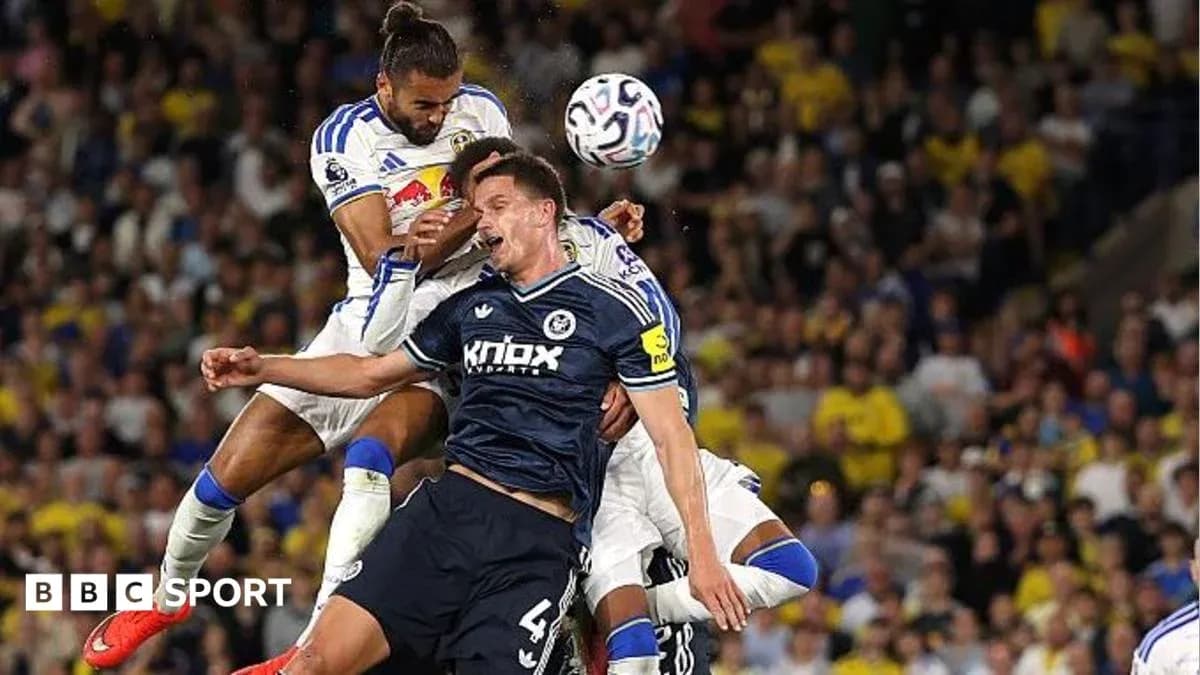
At the Emirates on Sunday, the Premier League’s sharpest attack runs headlong into its most ruthless defence. Chelsea arrive with seven goals from two games. Arsenal? They haven’t conceded a single shot on target from open play since May.
David Raya has barely needed to wash his gloves. A Jack Rudoni header is the only effort on target he has faced this season. That owes less to any drop in his importance and more to the machine in front of him.
This is not a short purple patch. Since the start of last season, Arsenal have held opponents to under 0.50 expected goals in 20 of 40 Premier League matches. Half a campaign’s worth of games in which the opposition barely laid a glove on them.
No one else is operating in that stratosphere. Liverpool, next on the list, have managed it eight times. Chelsea have done it four. Manchester City, the supposed benchmark, only twice.
Arsenal supporters have spent the window fretting about a forward they never signed. The numbers show a different story: with the ball lost, they are miles ahead of the pack.
What makes it more striking is who is missing. William Saliba, the best defender at the club, has not featured. Jurrien Timber, another first-choice option, has also been absent. Under normal circumstances, those absences would dominate the conversation. Here, they barely register.
The reason lies in the structure. Mikel Arteta has built a system that swallows danger before it forms. Take the current back four. Before this season’s opening two fixtures, Ben White, Cristhian Mosquera, Gabriel and Riccardo Calafiori had never started a Premier League game together. They look like they’ve been doing it for years.
Arsenal have spent heavily to make sure they can absorb shocks. Ezri Konsa, signed as high‑end cover, has only seen 11 minutes so far. Bruno Guimaraes has added bite and control in midfield but has also been eased in. They are luxury reinforcements, not emergency fixes.
The core, though, is tactical. Distances between the lines are tight. Pressing triggers are clear. Full-backs know when to squeeze, centre-backs know when to hold. Opponents find themselves funneled into low‑value areas, starved of clean sights of goal. By the time they reach the final third, the attack is half‑dead.
Chelsea will test that. They are scoring, they are running at teams, and they are doing it with a front three that looks built to hurt exactly this kind of high, aggressive back line.
One of them is the player Arsenal chased and lost.
Morgan Rogers: The One That Got Away
Before the failed tilts at Vinicius Junior and Julian Alvarez, Arsenal went hard for Morgan Rogers. He chose Chelsea. On Sunday, they will see at close quarters what slipped through their fingers.
From the press box at Stamford Bridge last weekend, almost level with the dugouts, Rogers’ impact in the 4-3 win over Brighton was impossible to miss. Stationed off the left, in the very role Arsenal have left conspicuously light, he tore into defenders with the kind of directness that changes games.
He drove past two Brighton players to create Chelsea’s second goal. Later, he spun sharply and threaded the pass that launched the break for their third. Those actions were not isolated flourishes. They were the clearest expression of what he brings: power, precision, and the nerve to keep demanding the ball.
The price tag, £117m, raised eyebrows. Rogers looks intent on silencing them. He already has a goal and an assist. Only Bruno Fernandes has produced more combined shots and chances created in the opening two rounds.
Look down that list and you see familiar names. Cole Palmer. Joao Pedro. Both form part of the same front three, both sit just behind Rogers and Fernandes in that metric. Chelsea’s attacking chemistry is forming quickly; the question now is whether it holds against a defence that rarely lets anyone breathe.
For Rogers, the sub-plot is obvious. Arsenal wanted him. They could use him now. He turns up at the Emirates as the one that got away, carrying the form and confidence to underline that point in the most brutal way possible.
Hull’s Old Warrior at the Heart of a New Story
While Arsenal’s defensive numbers speak of control, Hull’s tell a story of survival and resistance.
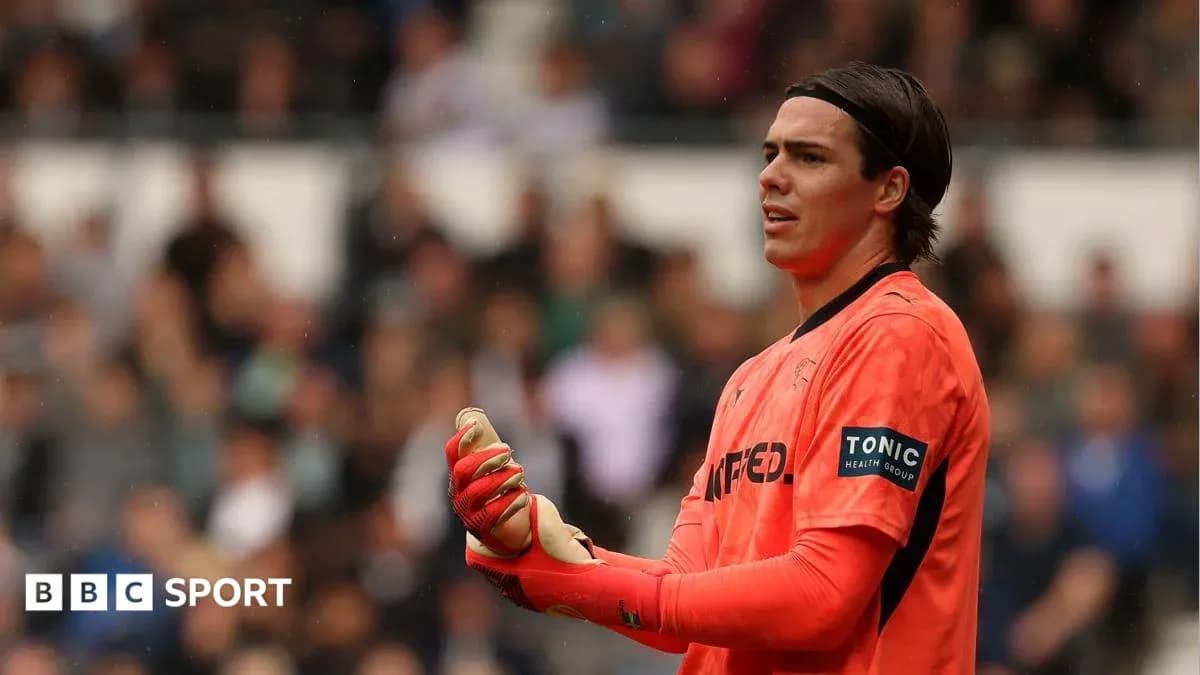
They have opened the season with back‑to‑back clean sheets, a run nobody expected. Konstantinos Tzolakis has been central to that. He has kept out shots worth 1.92 expected goals, the best underlying goalkeeping data in the division across the first two games.
Yet it would be wrong to make this only about the man in gloves. In front of him, John Egan is throwing his body at everything.
At 33, and after leaving Sheffield United, Egan might have wondered if his Premier League days were done. Hull’s unlikely promotion rewrote that script. This week he was one of six Hull players to sign improved contracts. His performances show exactly why.
Against Manchester United on the opening weekend, he made 17 clearances. Seventeen. Balls slung into the box, cutbacks, half‑chances – he dealt with them all. He followed it with another 10 clearances against Coventry. That’s an average of 13 per game, comfortably the highest in the league.
It is not refined. It is not especially modern. It is, however, brutally effective. When the ball comes in, it tends to meet Egan’s forehead.
Hull will need more of that when Aston Villa arrive on Saturday evening. Villa will test the line higher up the pitch and more often. Hull’s plan will not be complicated: keep the shape, trust Tzolakis, and let Egan keep emptying the box.
Everton’s Lone Striker and a Harsh Spotlight
Somewhere between the heavyweight narratives, a very different story is unfolding at Everton.
Thierno Barry goes into the weekend as a one-man strike force. That is not a turn of phrase. It is the squad list.
The club have sold Beto. Attempts to bring in Richardson and Folarin Balogun collapsed in a grim transfer window. What remains is Barry, leading the line alone, tasked with carrying an attack that has been stripped back to its bare bones.
His assignment? Manchester United at Goodison Park on Sunday afternoon.
For a young forward, it is both opportunity and burden. Every run, every touch, every half‑chance will be magnified because there is no obvious alternative waiting on the bench. The margin for error is almost non‑existent.
Everton have lived on the edge for too long. Barry now finds himself at the sharpest point of that edge.
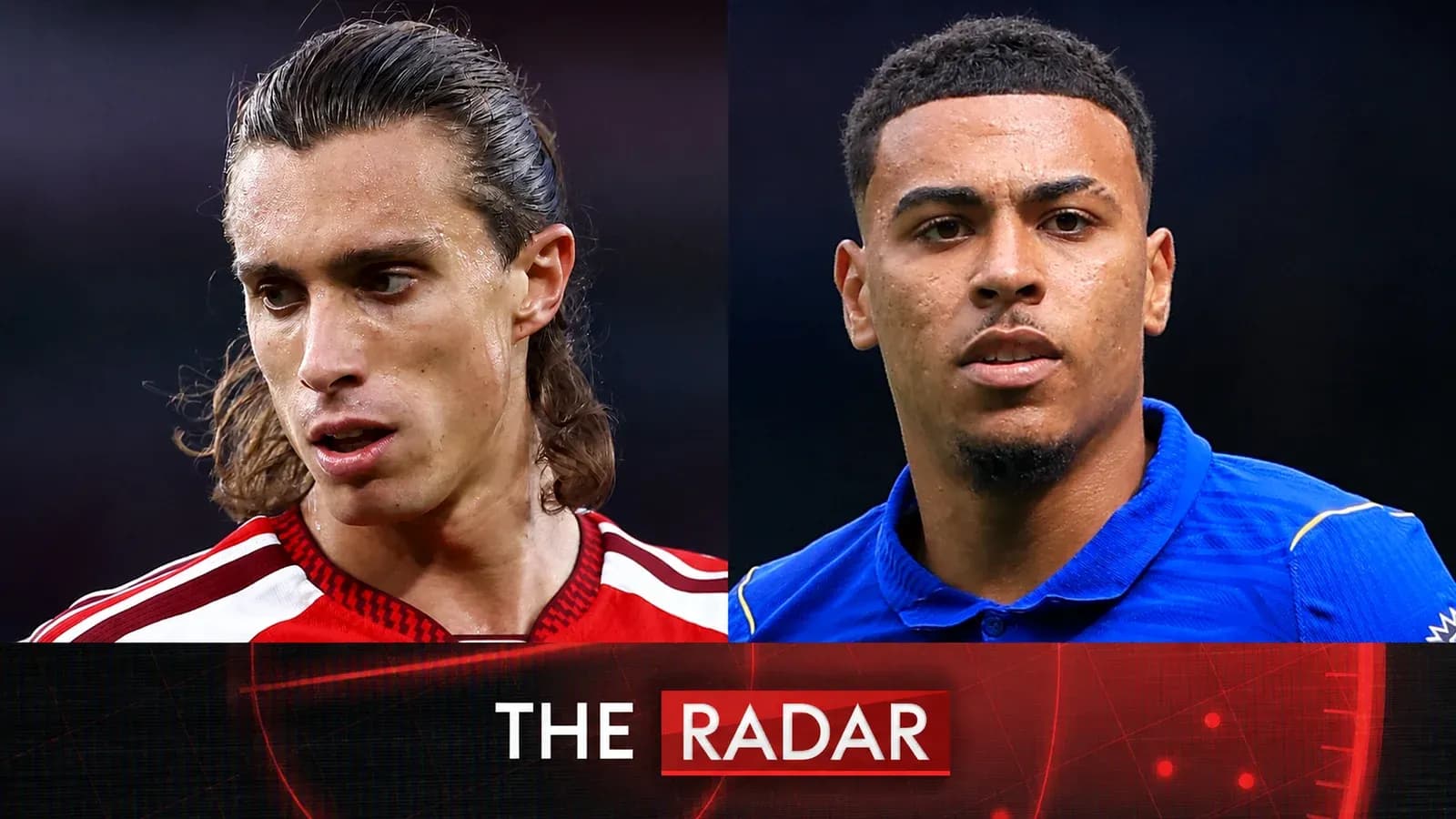
The Weekend on the Radar
The schedule only adds to the sense of a league beginning to take shape.
Ipswich vs Liverpool opens the live action on Friday night. It is a meeting of a newly promoted side and a title contender, but also an early test of how Liverpool’s refreshed attack handles an away ground buzzing with early‑season optimism.
On Saturday, Hull’s clash with Aston Villa offers a chance to see whether Egan and Tzolakis can extend their improbable run against one of the most fluid forward lines in the division.
Sunday brings the double header. Everton against Manchester United at 2pm, a game that will say plenty about both Barry’s resilience and United’s ability to impose themselves away from home.
Then Arsenal vs Chelsea at 4.30pm. The champions’ defensive structure against the league’s form attack. Rogers returning as the winger Arsenal wanted but never signed. Raya watching, waiting, hoping for another quiet afternoon.
Something has to give.