Marcel Sabitzer: The Key to Dortmund's Title Ambitions
For the first time in years, Germany dares to whisper it again: a real title race. Not the kind that flickers briefly in autumn and dies by March, but one that might actually go the distance.
If Niko Kovac gets his wish, Saturday night at the Allianz Arena will light the fuse. “At last, an exciting clash,” the coach said before his side’s trip to Bayern Munich. Two teams level on points, face to face under the floodlights, with top spot on the line. It is the sort of scene the Bundesliga has been craving.
The league has drifted through three largely drama-free finishes: two titles for Bayern, one for Leverkusen, all wrapped up with minimal jeopardy. The last genuine two-horse race ended in heartbreak, Dortmund collapsing against Mainz on the final day, in their own stadium, with the trophy almost within reach.
Out of that wreckage came a promise. A change of mentality. A player who knew how to finish the job.
Sabitzer, the man brought in to change the ending
That summer, Borussia Dortmund went to Munich and paid around €19 million for Marcel Sabitzer. He arrived with two Bundesliga titles in his luggage and a clear mission. “I want to do my part to help BVB achieve their goals and give them every reason to celebrate something special with their fans again as soon as possible,” he said at his unveiling.
Inside the club, expectations were just as high. Then-sporting director Sebastian Kehl talked up the Austrian as a personality signing as much as a tactical one: a key pillar, a presence for tight games, someone to tilt the balance when margins were thin.
Three years later, the verdict is complicated.
Sabitzer was instrumental in Dortmund’s improbable run to the Champions League final, especially in the second half of the 2023/24 season. The second leg of the quarter-final against Atlético Madrid still glows in the memory: Dortmund won 4–2, and Sabitzer had a direct hand in three of those goals. On nights like that, he looked exactly like the player they thought they had bought.
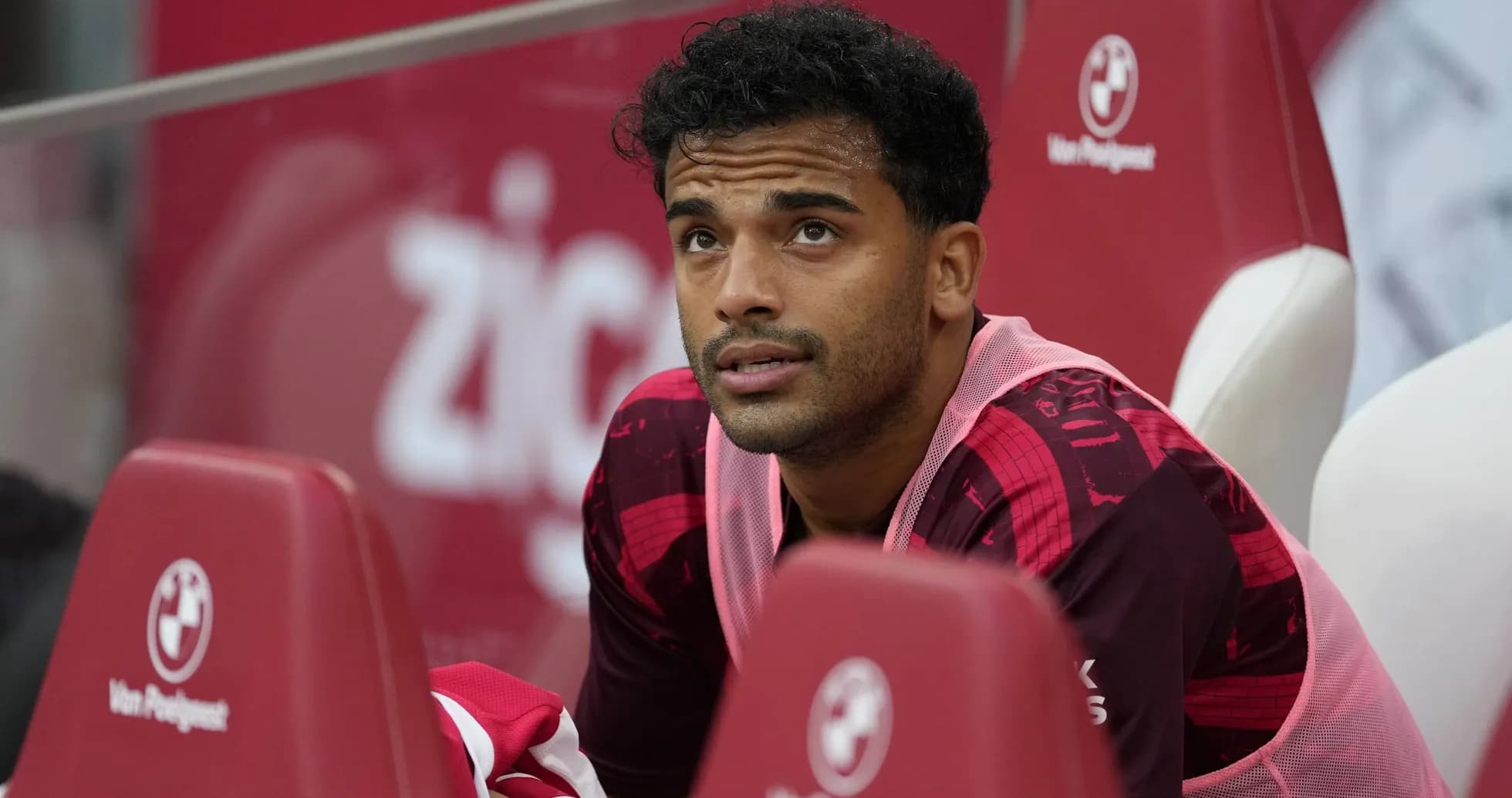
But the glow has faded. Recently, the 32-year-old has slipped into a supporting role, more often introduced from the bench than named on the teamsheet. A chunk of the fanbase has turned on him, sometimes with a harshness that has stood out even in a demanding arena like Signal Iduna Park. Now the noise is growing around his future. Reports suggest that when his contract runs to 2027, BVB may be ready to move on and invest more heavily in younger, more developmental profiles. Sky has already floated that direction.
The story sounded like it was winding down.
A last-second reminder
Dortmund were on the brink of another uncomfortable chapter in the DFB-Pokal, having squandered a 2–0 lead against Werder Bremen and stumbled towards extra time. The mood inside the stadium shifted from celebration to anxiety. Old doubts resurfaced.
Sabitzer stepped up to a free-kick in what was, almost literally, the last second.
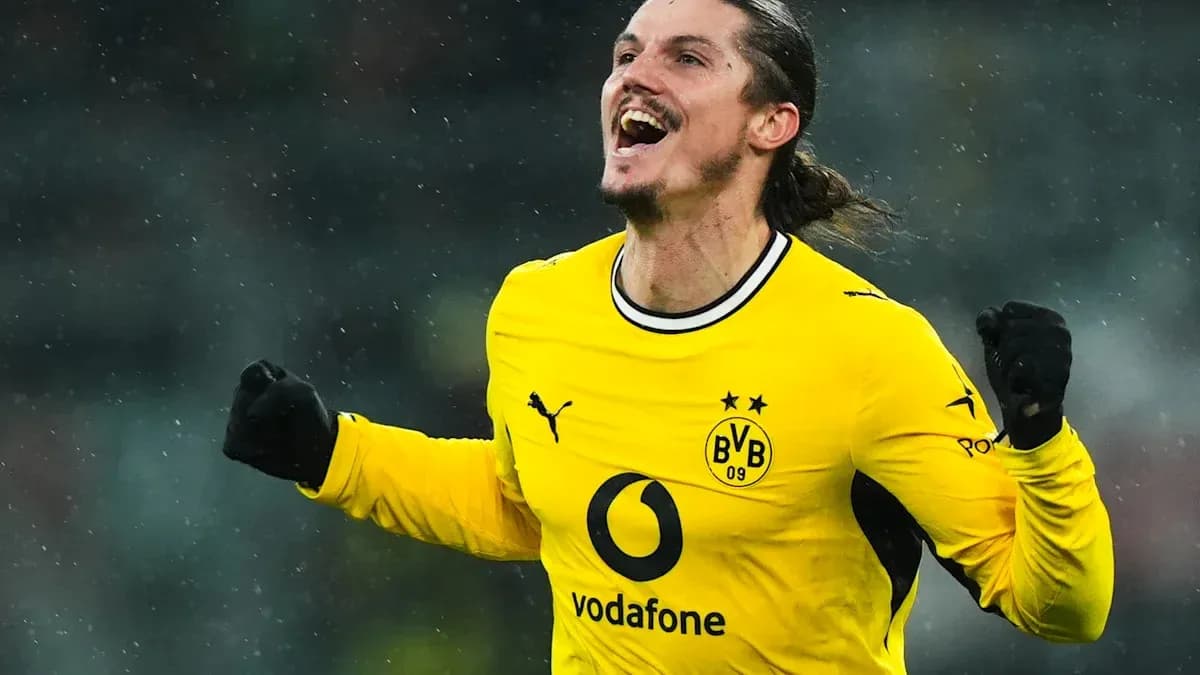
One clean strike. One vicious, bending shot. One roar from the Yellow Wall.
His direct free-kick flew in, sent Dortmund into the round of 16, and dragged him back into the centre of the story. This time, the veteran was the one rescuing a team that has too often needed rescuing.
“He has an incredible foot, an incredible shot,” said Nico Schlotterbeck afterwards, the defender clearly delighted for his teammate. “I think Sabi really deserved that after the last few weeks and months, when he’s often been unfairly criticised.” Sabitzer soaked it in, not just the goal but the raw sound around him. “This stadium thrives on emotion. Quite a few stories have been written here,” he said, knowing he had just added another line.
Now, though, the backdrop changes.
Back to Munich, back to the spotlight
On Saturday, there will be no black-and-yellow cauldron to feed off. Dortmund head to Munich, to Sabitzer’s former home, for a Klassiker that suddenly feels like more than just another chapter in a long rivalry. The table is tight. The stakes are obvious.
Sabitzer will almost certainly start where he has grown used to standing: on the bench. Yet that does not make him a footnote. Not anymore. Schlotterbeck captured it neatly: “Somehow, he’s the man for the big goals.” The defender was thinking not just of Bremen, but of that long-range strike against Atlético that sealed a place in the Champions League semi-finals.
These are the moments that have kept Sabitzer’s Dortmund story alive, even as the weekly rhythm has pushed him to the margins. One swing of his boot, and the narrative changes.
Perhaps he does it again in Munich. Perhaps he walks back into the Allianz Arena and, this time in yellow and black, drags Dortmund to the top of the table. If he really does grow into the leadership role he was signed for, if he becomes a driving force in a genuine title race, then those whispers about his contract and his future will start to sound very different.
To force that conversation, he has to keep doing what he did against Werder: decide big games, in big moments, when everyone else feels the tension. The Allianz Arena, in a Klassiker with first place on the line, is exactly the kind of stage where reputations are rewritten—and careers at a club are suddenly extended.