Arthur Fery's US Open Exit: A New Beginning
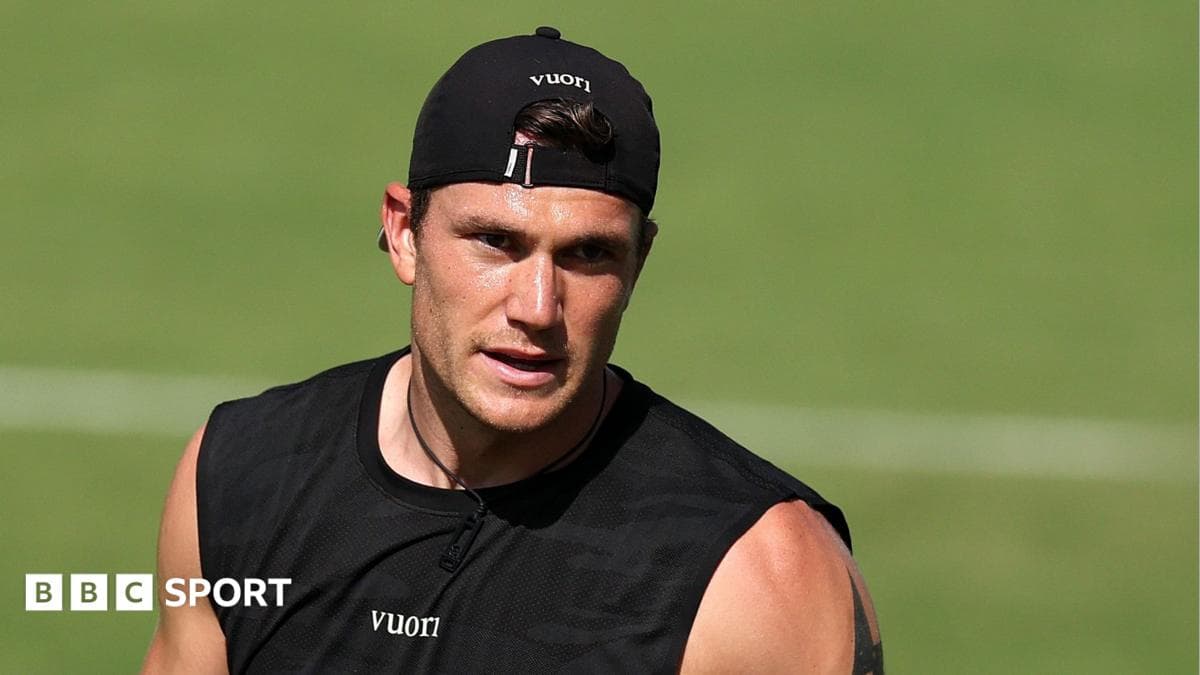
Naomi Broady has seen enough of Arthur Fery to be convinced: this is no ceiling, just a starting point.
The former British No.3 watched the 21-year-old bow out in the opening round of the US Open, beaten in straight sets by Lorenzo Musetti, and immediately raised the bar for what comes next.
“Arthur's going to be playing big guys now,” she said, framing the loss not as a setback, but as the beginning of a new phase. He has already shown he belongs at ATP 250 level; now comes the jump into a world where every opponent has done their homework.
“People will start watching him and it becomes a cat and mouse of can he stay ahead of that,” Broady warned. The message was clear: the element of surprise is gone. Adapt or get caught.
She doesn’t expect him to stall. Quite the opposite. “I wouldn't expect him to plateau and the next few months will be exciting. His ranking can still skyrocket.”
Fery Faces the Level – and the Mirror
Musetti gave Fery a sharp taste of what life looks like against established top-tier operators. No marathon, no five-set epic. Just a clean, clinical defeat that left the Brit with more questions for himself than for his opponent.
Fery didn’t hide from it.
“I know what I have to work on,” he said afterwards. “I got a lot of ideas coming straight off the court of what I have to work on to do better.”
The serve, usually a cornerstone of his game, abandoned him at the worst possible time.
“My serve really let me down today, which is not usually the case, but I've been struggling a little bit to find my rhythm on the serve,” he admitted. “Today was particularly a struggle, but definitely playing guys at that level, it's tough and the margins are small.”
That’s the reality at a Grand Slam. One misfiring shot, one misaligned weapon, and the match tilts away. Broady’s “cat and mouse” line suddenly feels less like a metaphor and more like a roadmap: Fery has announced himself, now the tour will start to pick him apart. How quickly he responds will define his season.
Rain, Backlogs and Frayed Schedules
While Fery’s campaign ended under the lights, much of the rest of the tournament never even got going.
Rain swept across New York on Tuesday and ripped six matches off the schedule, leaving organisers juggling courts and times during the busiest stretch of the fortnight.
Rafael Jodar and Alex de Minaur were among those left in limbo, their matches against Yunchaokete Bu and Andrea Guerrieri respectively wiped from the day’s play. Routines disrupted, plans shredded, preparation stretched into another day.
The backlog now sits with the schedulers, who must squeeze those postponed contests into an already packed programme. Players will have to adapt to tighter turnarounds and shifting start times, the sort of unseen grind that can shape a campaign as much as any forehand winner.
Relief is on the horizon. Forecasts suggest the clouds will finally lift, with sunshine expected in New York towards the end of the week. The tournament, for now, has to survive the squeeze.
Bencic’s Flashpoint
On another court, tension nearly boiled over into disaster.
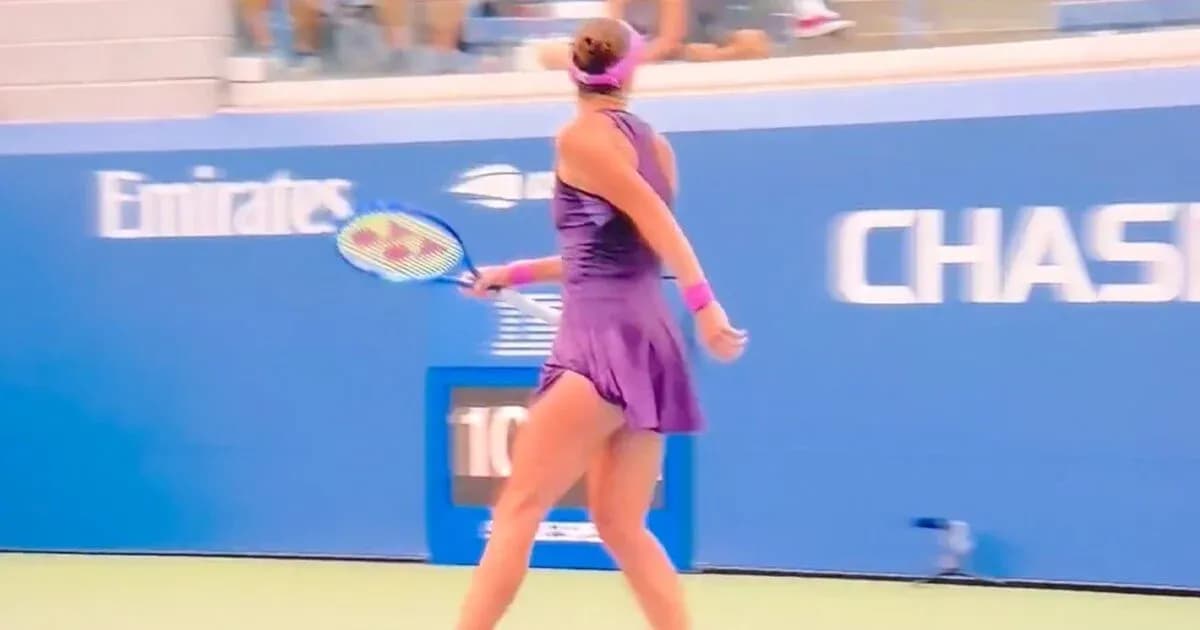
Belinda Bencic, seeded 12th, crashed out in the first round to Yulia Putintseva, and frustration briefly got the better of her. After losing a game in the second set, the Swiss star fired her spare ball into the crowd.
She escaped with a warning for unsportsmanlike conduct. Nothing more.
Given recent history, that felt like a narrow escape. Players have been disqualified in the past for striking balls into the stands, particularly when spectators have been hit. The line between a flash of anger and a tournament-ending sanction is thin, and Bencic walked right up to it.
It leaves a lingering question as the week unfolds: with young talents like Fery trying to climb, seeds under pressure, schedules squeezed by the weather and tempers running close to the edge, who will manage the chaos best as the US Open finally dries out and the draw begins to bite?