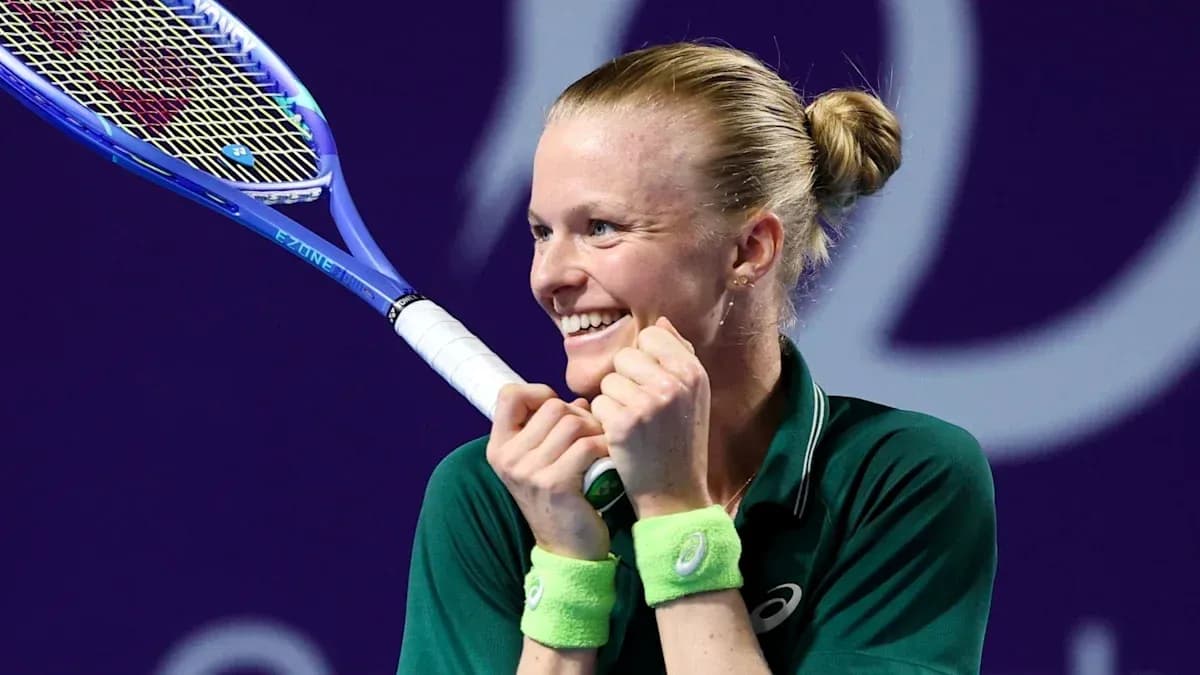
Harriet Dart Wins WTA Tour Title in Guangzhou
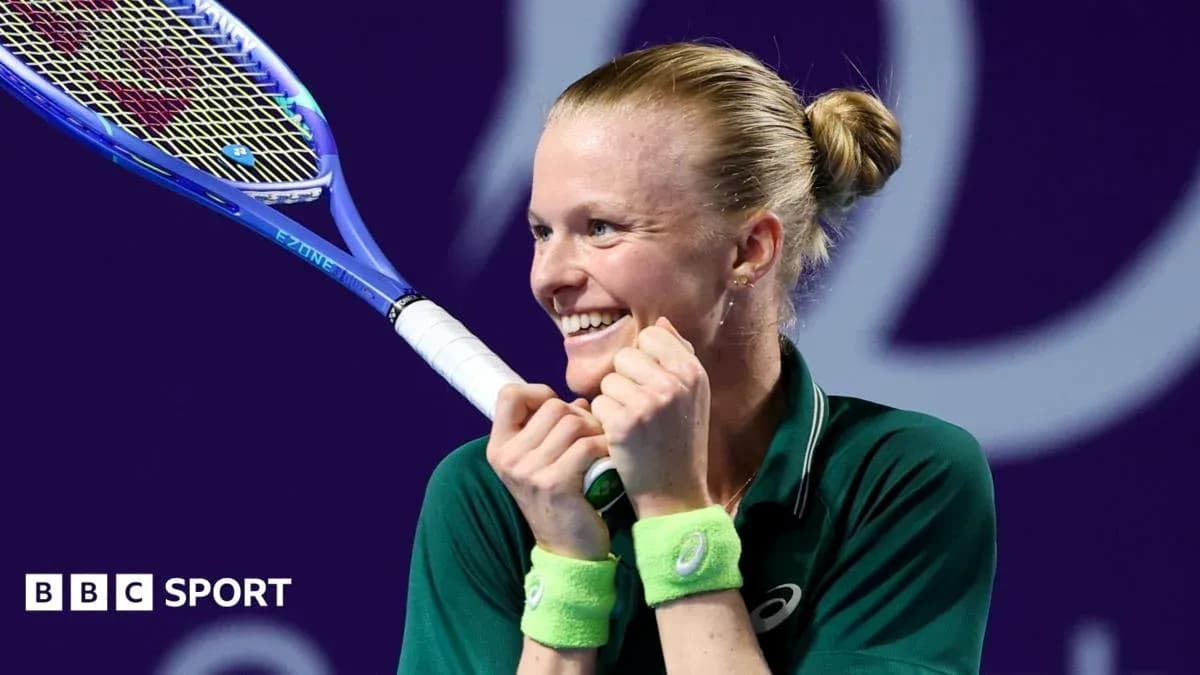
Harriet Dart climbs the mountain at last. On a humid evening in Guangzhou, after years of slog and near-misses, the 30-year-old Briton finally wrapped her hands around a WTA Tour singles trophy – and refused to let go.
Dart’s day in Guangzhou
This was not the clean, straight-sets coronation many dream about. Dart had to claw, scrap and think her way through a final that swung wildly against one of the brightest young forces in the women’s game, 18-year-old Austrian Lilli Tagger.
She dropped the first set 4-6, tightened her grip in the second to take it 6-3, then rode a rollercoaster of a decider before closing out a 4-6 6-3 6-4 victory that left her flat on her back on the baseline, tears mixing with sweat.
Ranked 115 in the world, the British number five arrived in China as a qualifier, not a favourite. She leaves as Guangzhou Open champion and, just as significantly, as a player reborn.
A final that refused to settle
Tagger, the 2025 French Open junior champion and already up to 53 in the world, came in brimming with confidence after a statement week that included a win over seven-time major champion Venus Williams. She struck first, too, pinning Dart back and taking the opener with the kind of fearless ball-striking that has fast-tracked her through the ranks.
The match tightened. Dart adjusted, stepped in, and dragged the contest into the trenches she relishes. The second set became a test of nerve and patience, and this time it was the Briton dictating the patterns, pulling Tagger around and forcing errors at the big moments.
The decider turned into a tug of war. Twice Dart broke to move in front. Twice Tagger yanked her back, refusing to let the occasion swallow her. At 3-3, the tension inside the stadium felt heavy. Dart broke for a third time, this one for 4-3, and then held firm to stand one game from the title.
Then came the wobble.
Serving at 3-5, Tagger stared down two championship points. Dart created the opening, earned the chance, then saw an inviting mid-court ball sit up on her racket. She dumped it into the net. A groan, a gasp, and for a heartbeat it looked like the moment might haunt her.
It didn’t. She reset, kept swinging, and earned a third championship point on her own serve. This time she didn’t blink, firing down a service winner before collapsing to the court, overcome, as weeks, months, and years of grind crashed over her in one rush.
Resilience rewarded
The title in Guangzhou crowns a superb second half of the season for Dart and underlines a clear theme: she simply refuses to go away.
Her comeback against Tagger was the fourth time in seven matches this week that she had recovered from losing the first set. It has become the hallmark of her run – resilience, stubborn belief, and an ability to problem-solve when the script turns against her.
Those qualities have been sharpened in the company of former Wimbledon champion Marion Bartoli, whose influence has coincided with Dart’s resurgence. The numbers tell the story. Since Wimbledon, Dart has won 19 of 24 tour-level matches on hard courts. Across the season she now stands at 23 victories from 34 WTA Tour matches, the best winning percentage of her career.
This is not the profile of a player hanging on to the circuit. It is the profile of someone surging back into relevance.
Back where she belongs
Two years ago, Dart hit a career-high ranking of 70, backed by a run to the third round at Wimbledon and the second round at the US Open in 2024. Then came the slide. For most of the past two seasons she has drifted outside the top 100, battling through qualifying draws, chasing form, and trying to convince herself that the level was still there.
Guangzhou changes that conversation.
The title hauls her back into the world’s top 100 and, with it, straight into the main draw of the Australian Open in January. No qualifying gauntlet. No early-week grind. A direct ticket into the first Grand Slam of the season, earned the hard way.
For Tagger, this week will sting but also confirm what many already suspect: she is coming fast. Beating Venus Williams on the way to a WTA 250 final at 18 is no small statement, and her words to Dart during the trophy ceremony – acknowledging how tough it was to be “on the other side of the court today” – carried the respect of a rising star who knows she has met a seasoned fighter.
For Dart, this was more than a trophy. It was vindication. A reminder that persistence still has a place in a sport obsessed with the next big thing.
The question now is not whether she can get back to her best, but just how far this late-career surge can take her.