Barcelona Breaks €1 Billion Revenue Barrier: A New Era
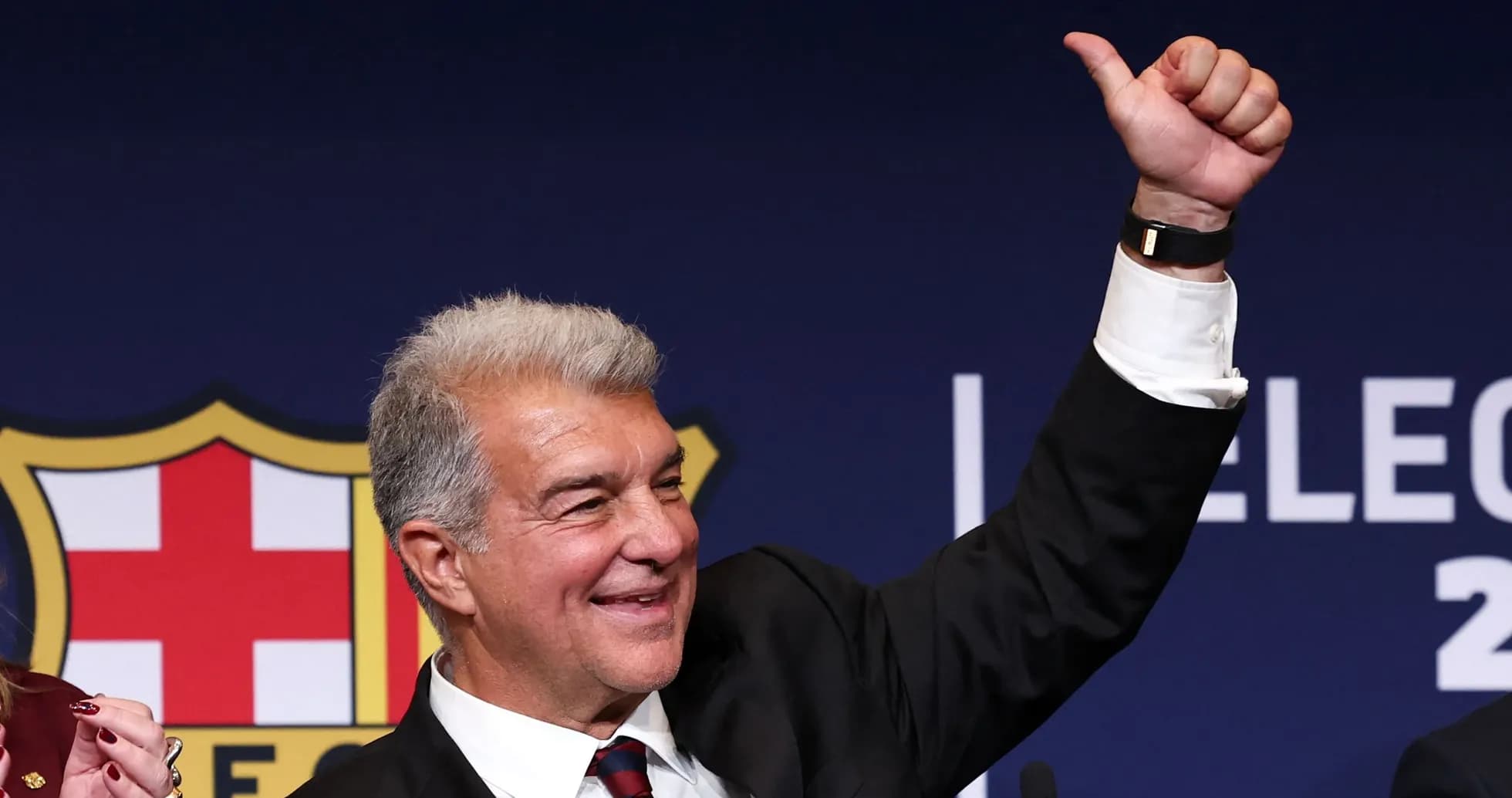
Barcelona will ask their members to log in from home on 19 September, but the message beaming out of the Auditori 1899 at Spotify Camp Nou will be anything but modest: the club has just smashed through the €1 billion revenue barrier for the first time in its history.
The Ordinary General Assembly, to be held virtually and confirmed after a board meeting on 3 September, will centre on a set of accounts that the directors are treating as a landmark. The club will present full financial results and institutional milestones from the 2025-26 fiscal year, with a promise to send members detailed documentation and data in advance to back up every line of the story they intend to tell.
And that story is blunt. Barcelona are finally talking about “financial stability” not as a distant aspiration, but as a target met.
A billion-euro season
The headline figure is stark: the Catalan giants have generated more than €1 billion in income over a single season, a threshold no previous Barcelona administration had ever crossed.
That record turnover underpins positive ordinary results for a third year in a row. In the club’s own words, the 2025-26 accounts “show positive ordinary results for a third consecutive season, as such meeting the target of financial stability in a season marked by significant operational and capacity considerations.”
Three straight years in the black. One of them with a ten-figure revenue line. For a club that has spent the last few seasons wrestling with debt, salary caps and emergency levers, the contrast is striking.
Profit in a half-built home
The achievement becomes more pointed when you look at the conditions. Barcelona have not enjoyed a normal season at Camp Nou. Far from it.
For the first half of the campaign, the first team split home games between the Estadi Johan Cruyff and the Estadi Olímpic while construction work continued on their iconic ground. The team lived a nomadic existence; the accountants had to live with it too.
When Camp Nou did reopen its doors, it did so with a padlock on more than half the seats. Capacity was capped at 42,000, a far cry from the 60,000 figure that underpinned the original budget forecasts.
On paper, that should have punched a hole in matchday income. The club is clear: it didn’t. Despite those limitations, Barcelona say they “virtually” hit the annual budget that had been built on the assumption of a higher starting capacity.
The message to members is obvious. If they can get this close to their targets with a reduced, part-time stadium, what happens when the new Camp Nou is fully open and roaring?
Camp Nou as economic engine
These numbers are being used as a preview of what the rebuilt stadium could become. The current results, achieved with strict limits on attendance, are being held up as proof of the “immense earning potential” of a fully operational Camp Nou.
Once construction ends and capacity rises, the club expects the ground to act as a financial engine on a scale Barcelona have never previously enjoyed. For a board that has spent much of its mandate talking about reconstruction, both sporting and structural, this is the clearest sign yet that the investment might finally start to pay back.
Beyond the turnstiles
The turnaround is not just about ticket receipts. Matchday income still matters, but Barcelona’s billion-euro season has been powered by broader commercial muscle.
The club has leaned hard into sponsorship, and the accounts reflect it. A sustained rise in high-value commercial deals has helped push revenue to record levels, giving the balance sheet a sturdier base than the fragile, attendance-dependent model of old.
On top of that, merchandising has delivered its own windfall. The club’s retail arm, BLM, has posted record turnover from official product sales, turning shirts, scarves and souvenirs into a crucial line of defence against the financial turbulence of recent years.
Those streams together mean the board will arrive at the 19 September assembly in a position of unusual strength. For once, the conversation with the members will not be dominated by cuts, levers or emergency fixes, but by a simple, powerful question: how far can this new Barcelona go now that the numbers are finally on their side?