Briatore's Controversial Claims on F1 Court Integrity
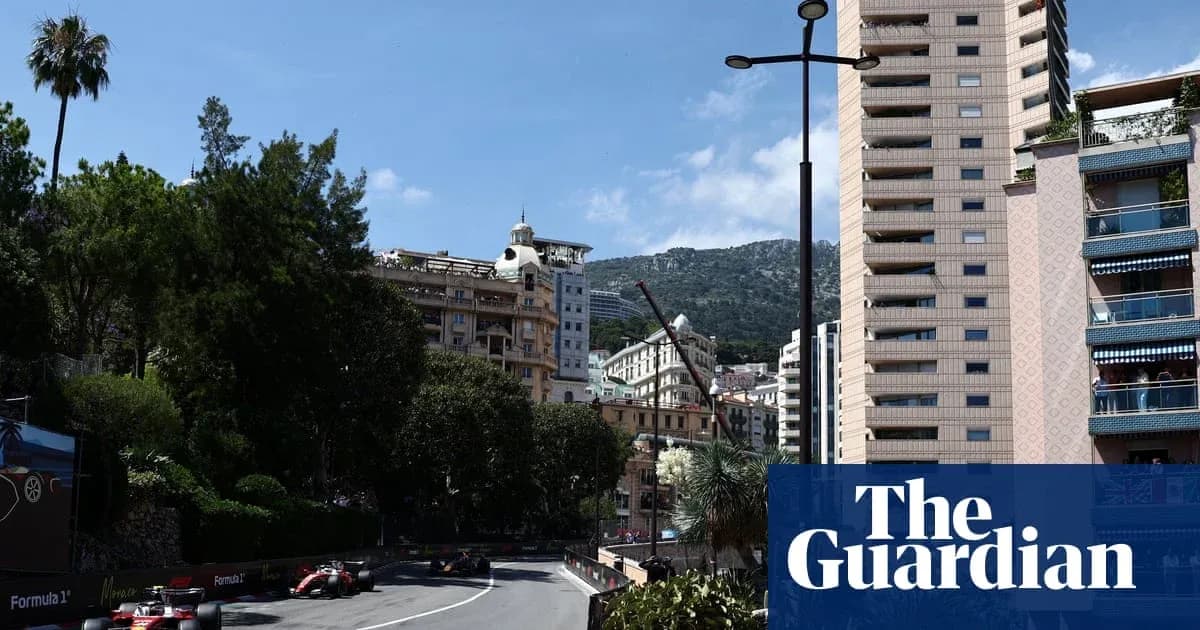
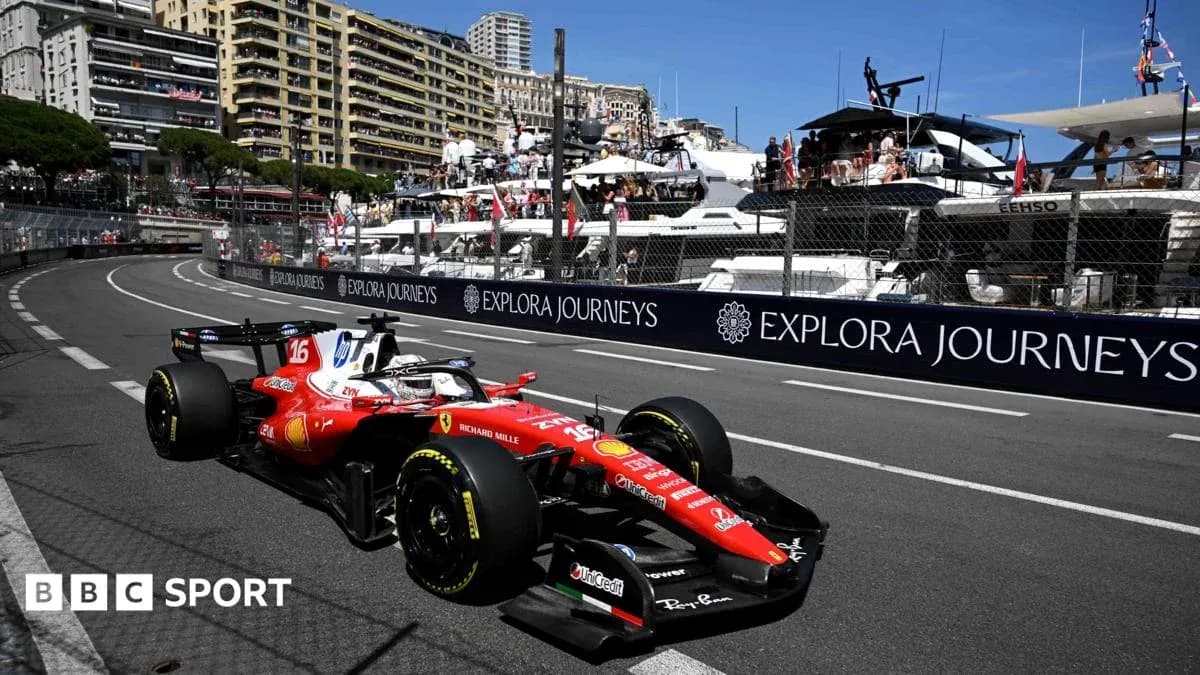
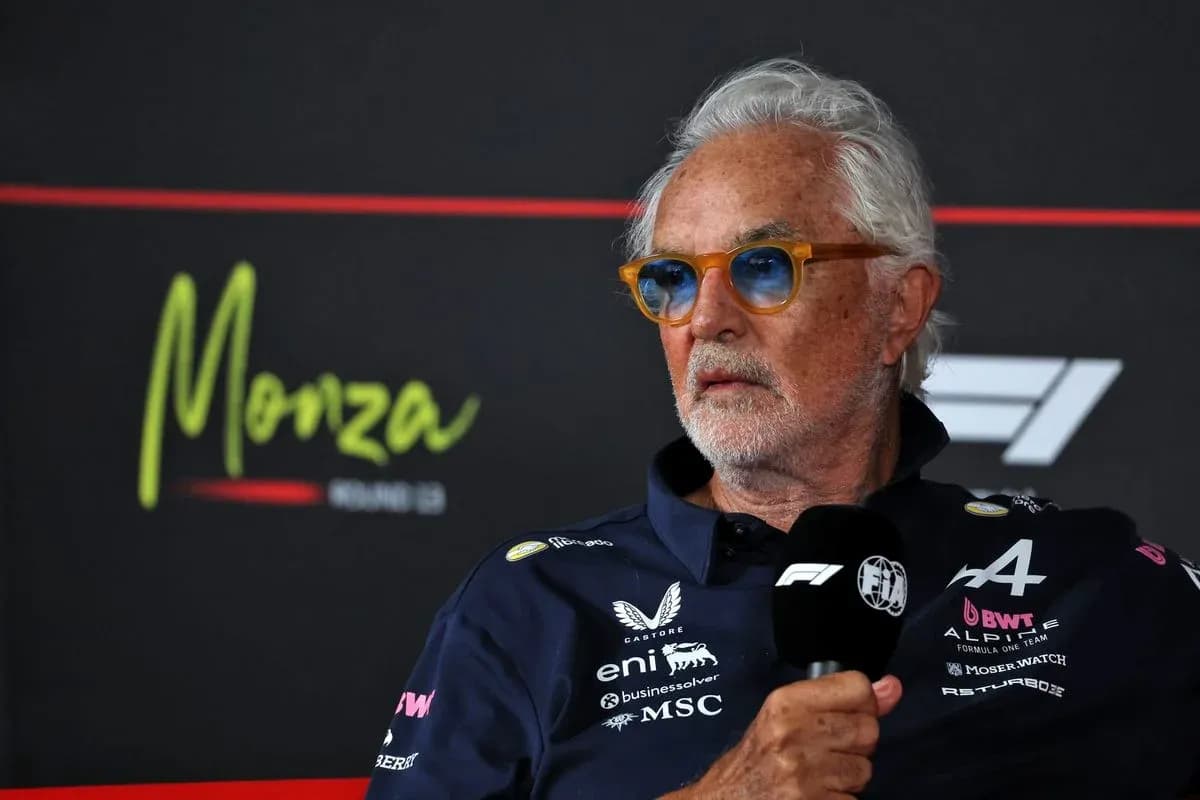
Flavio Briatore has never been one to waste a microphone. On Friday in Monza, he turned a routine press conference into a political firestorm, ripping into the integrity of Formula 1’s highest court just hours after Alpine officially lost Pierre Gasly’s Monaco Grand Prix podium.
The FIA’s International Court of Appeal had ruled in favour of McLaren and Red Bull, upholding the decision that stripped Gasly of his Monte Carlo third place. Alpine’s long, bruising bid to get it back was over on paper.
On the stage, it was anything but.
Briatore lights the fuse
Briatore, Alpine’s executive advisor and long-time F1 provocateur, didn’t go after the legal reasoning of the verdict. He went after a man.
“Filippo Marchino is a judge, he was very nasty during the hearing, was acting as a prosecutor,” Briatore said, reading from a sheet of paper he clutched in his hand.
Then he delivered the line that detonated the room.
“And after, we found out what is the reason why so nasty, this guy. He is very linked with McLaren.”
He called the situation “very unfair” and claimed Alpine had uncovered evidence of Marchino’s alleged ties only after the Monaco appeal hearing had concluded.
Briatore said Alpine had “a nice picture of this guy at a speech for McLaren in 2018 in MSO, Beverly Hills,” though he did not show the image. He went further, saying Marchino’s One Drop Foundation had received “two, three McLaren cars” for a charity auction.
That auction, held in 2019, raised money for One Drop, the foundation created by Cirque du Soleil co-founder Guy Laliberte. Laliberte has long-standing links to McLaren and former team boss Ron Dennis, so McLaren memorabilia at such an event hardly came out of nowhere.
To Briatore, it pointed to a conflict. To many in the room, it pointed to an extraordinary accusation: that a judge in F1’s top court had not been neutral.
McLaren hit back
If Briatore’s words stunned the FIA officials in attendance, they infuriated McLaren.
Team principal Andrea Stella, usually measured and softly spoken, bristled as he responded.
“I find that this conference going in this direction is quite insulting for McLaren, for the reputation of a team that deserves a lot of respect,” he said.
“If anybody makes these kind of allegations – which seem quite serious – they are going to have to take the responsibility for what they are saying in a public forum.
“The hearing, the whole International Court of Appeal, was conducted to the highest standards and we should not question this phase like it’s been done.”
There was no mistaking the tone. McLaren saw Briatore’s comments not as a grievance about a ruling, but as a direct attack on the team’s reputation and on the legitimacy of the legal process that handed them the result they wanted.
Alpine weighs its next move
Briatore, though, hinted Alpine might not let it rest.
“We’ve been thinking about it,” he said when asked if the team would pursue the matter. “Just pass the weekend and after that we think about it. For the moment, I don’t know.”
On the surface, Alpine’s options look slim. The FIA’s International Court of Appeal is the final authority in such disputes; its decisions cannot be appealed in the traditional sense.
There is, however, a narrow door left ajar: a right of review. That mechanism mirrors the process used for challenging stewards’ decisions, allowing parties to seek a fresh look if “important new evidence is discovered which was unknown at the outset of the case before the ICA.”
Briatore insists Alpine only learned of Marchino’s alleged links to McLaren after the hearing. Whether that claim, and the material behind it, meets the bar of “important new evidence” is another question entirely.
The FIA, for its part, stressed on Friday that the composition of the judging panel goes through extensive vetting before any case is heard.
How the judges are chosen
The International Court of Appeal operates with a roster of 36 leading legal experts. For each case, at least eight names are shortlisted into a pool. That list is then sent to the parties involved, who are given the chance to raise any “serious and objective reasons” why any of those judges should be recused for conflict of interest or other legitimate grounds.
Alpine did not object to any of the shortlisted judges at any stage of that process.
With no challenges lodged, ICA president Laurent Anselmi of Monaco selected four judges for the Gasly case. Their identities were kept secret from all involved until the day of the hearing, in line with the court’s procedures.
There is another key layer. Under F1’s regulations, at least one judge in any ICA hearing connected to the world championship must have been elected to the pool at the FIA General Assembly on the proposal of at least five teams or three manufacturers.
In 2023, Marchino and Luigi Fumagalli – who also sat on the Monaco appeal panel – were both nominated at that General Assembly after being put forward by teams.
Any judge proposed by teams is subjected to due diligence by the FIA compliance officer. An ad hoc panel then reviews the findings before making recommendations to the eligibility assessment committee.
On top of that, when judges are assigned to a specific case, they must personally confirm to the FIA’s secretary general that they have no conflict of interest. Only after those declarations are received does the FIA lock in the final composition of the panel.
From the FIA’s perspective, the system is designed to catch exactly the kind of conflict Briatore now alleges. From Alpine’s perspective, the discovery of Marchino’s charity connections came too late to trigger any objection.
A three‑month saga that might not be over
Gasly’s lost Monaco podium has already dragged F1 through three months of legal wrangling, technical argument and political posturing. The ICA verdict was supposed to draw a line under it.
Instead, it has exposed another fault line.
On one side, a team that feels robbed of a landmark result and now questions whether the judge’s chair was truly neutral. On the other, a rival outfit furious at seeing its integrity questioned after winning a case through the sport’s own highest court.
In the middle sits the FIA, defending its processes and its people while the paddock whispers about conflicts, foundations and old friendships.
For now, the Monaco result stands. McLaren and Red Bull have their victory in court. Gasly’s podium is gone. Alpine is wounded and angry.
The only real question left is whether Briatore’s broadside was the final outburst of a lost cause, or the opening statement in a fresh legal battle that will drag this Monaco saga deep into the season’s decisive months.