Caitlin Clark's Global Impact on Women's Basketball Viewership
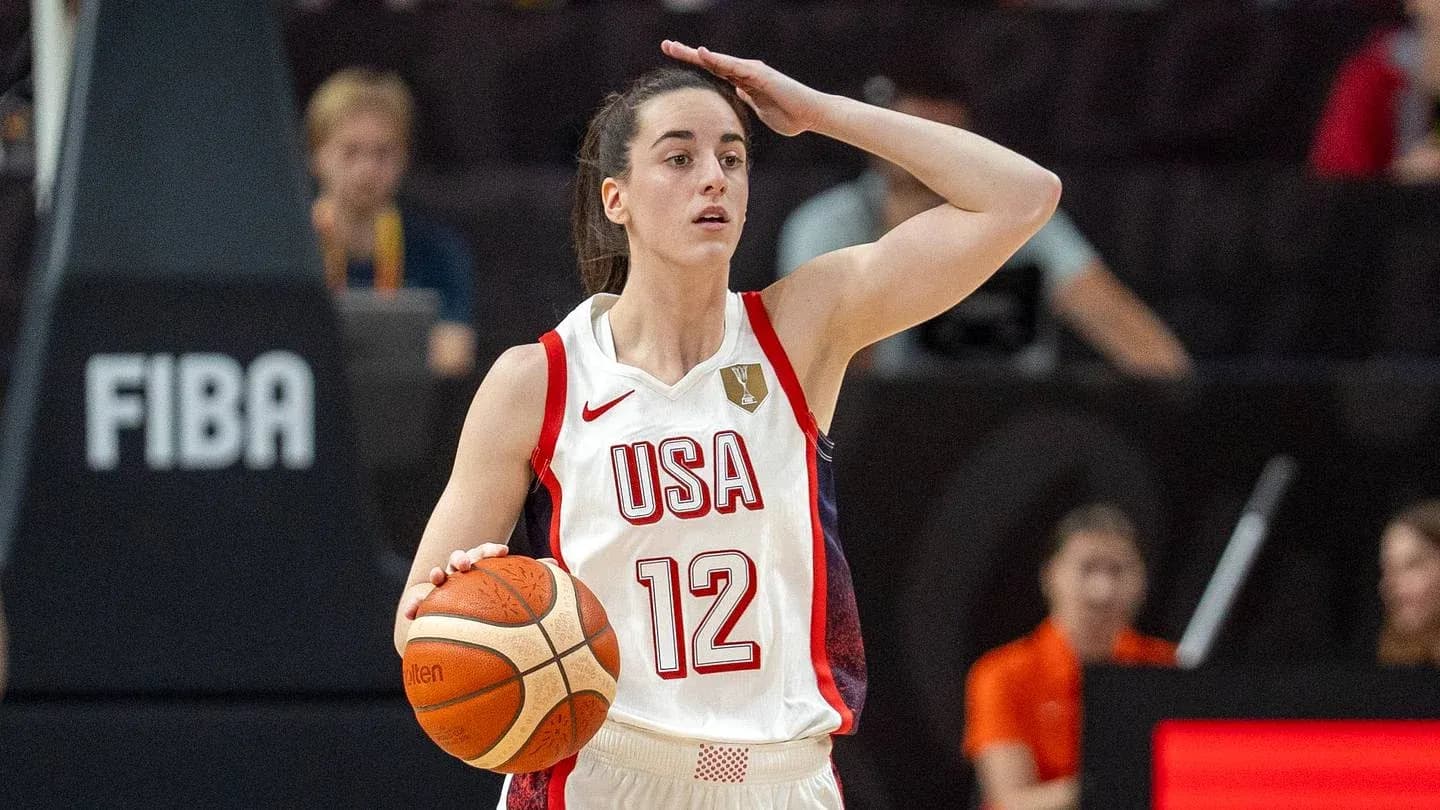
Caitlin Clark’s star power is no longer just an American phenomenon. It’s gone global.
TNT Sports released the numbers for Team USA’s three FIBA Women’s World Cup group-stage games, and the figures read like a watershed moment for the sport. The opener against China pulled in an average of 577,000 viewers. The near-shock against Italy exploded to 1.3 million. The final group game against Czechia held strong at 1.2 million.
All three broadcasts now stand as the most-watched FIBA Women’s World Cup games ever. They’re also the most-watched women’s basketball games in TNT Sports history.
This isn’t just a bump. It’s a shift.
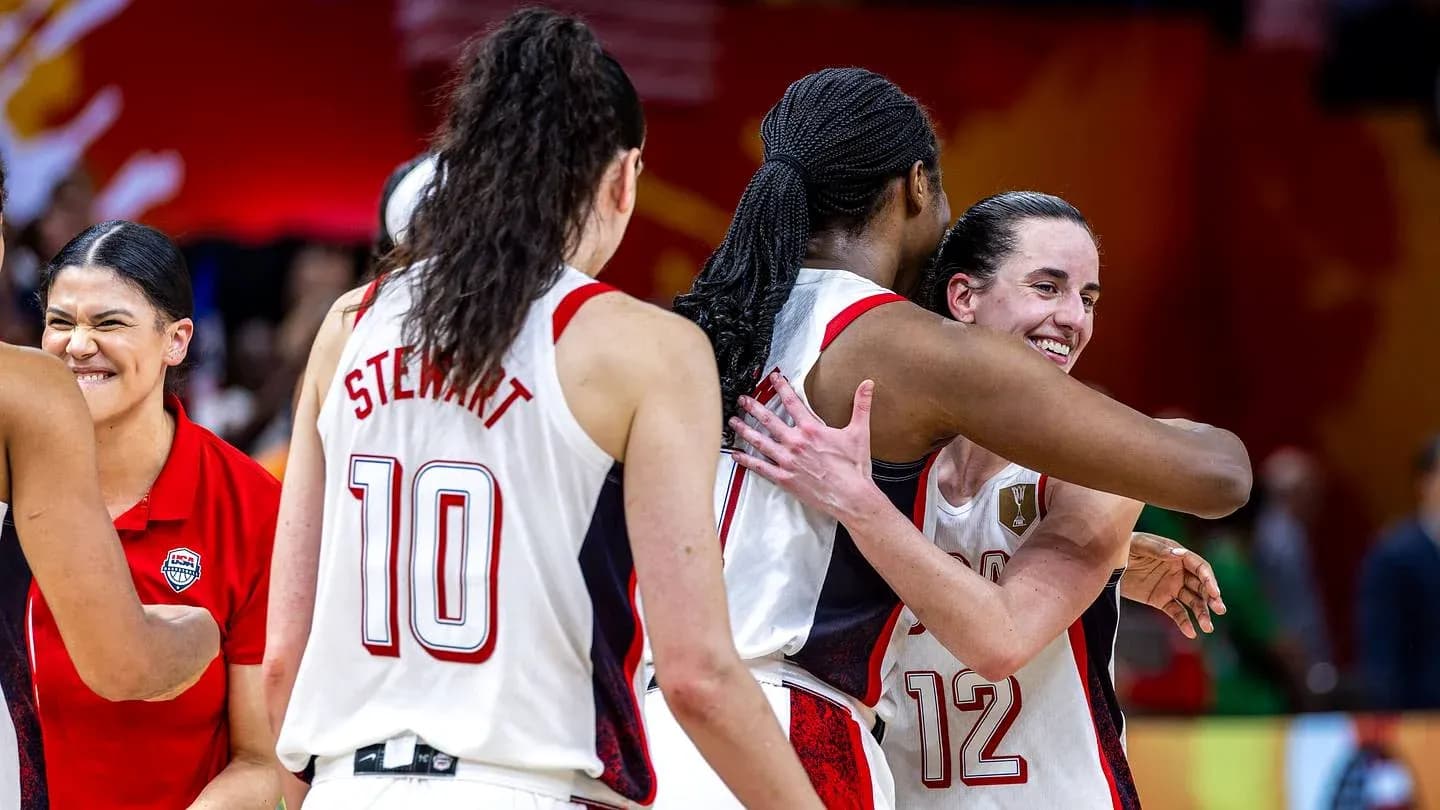
Team USA’s roster is stacked with established stars, Olympic champions, and household names. The brand is powerful on its own. But the pattern that has followed Caitlin Clark from Iowa to the WNBA and now into the red, white, and blue is impossible to ignore: when she plays, people watch, and they keep watching.
The World Cup numbers are only the latest proof.
TNT hasn’t yet released viewership data for Team USA’s quarterfinal demolition of Hungary, and there’s a good reason expectations are tempered. Tipoff came at 5:30 a.m. ET, 2:30 a.m. PT — the kind of window that punishes even the most loyal fan base. If those numbers fall short of the group-stage highs, it will say more about alarm clocks than interest.
The real test comes this weekend.
Semifinal Showdown
Team USA’s semifinal showdown with Spain is set for a far friendlier 2:00 p.m. ET slot on Saturday. The World Cup final on Sunday, also scheduled for 2:00 p.m. ET if the Americans advance, offers another prime stage. With Clark at the heart of the narrative, both games are positioned to push the tournament’s viewership ceiling even higher and redraw what’s considered possible for women’s basketball on a global broadcast stage.
This is not happening in a vacuum. The same gravitational pull has reshaped the WNBA’s summer.
Clark and the Indiana Fever have turned regular-season dates into appointment viewing. Their clash with the Chicago Sky averaged 3.31 million viewers across NBC and Peacock, making it the league’s most-watched regular-season game since its inaugural weekend in 1997. That’s not a niche spike; that’s a number that forces networks and executives to recalibrate.
The surge didn’t stop there. Indiana’s meeting with the New York Liberty averaged two million viewers and peaked at 2.4 million. On August 2, the Fever’s game against the Minnesota Lynx drew an average of 2.5 million viewers on ABC.
Different opponents. Different networks. Same through line.
Every time Clark steps onto a major broadcast platform, the ratings follow. The Fever’s closing stretch of the regular season now carries more than playoff implications. It carries the expectation of more broken records, more evidence that this is not a fleeting fad but a fundamental expansion of the audience.
If Indiana can engineer another deep postseason run, the stakes rise again. A healthy Clark, playing at a world-class level in knockout games, would give the WNBA the kind of sustained, high-intensity spotlight leagues chase for decades.
The question is no longer whether she moves the needle.
It’s how far she can push it before the sport itself is forced to redefine what “normal” looks like.