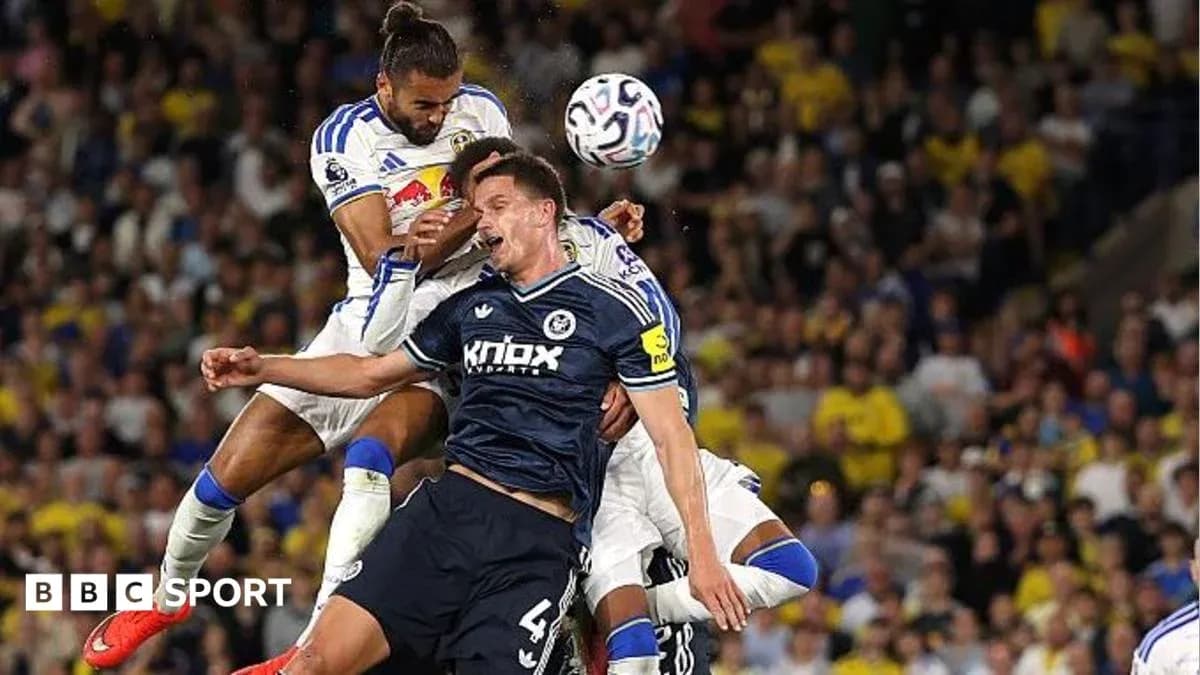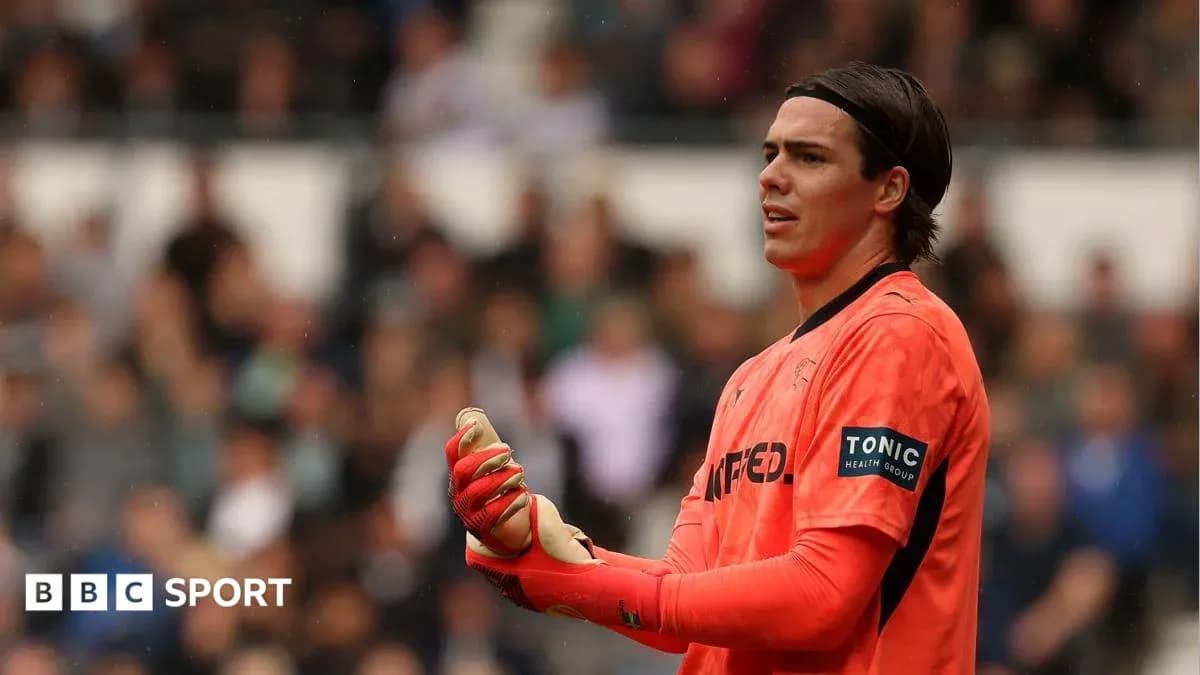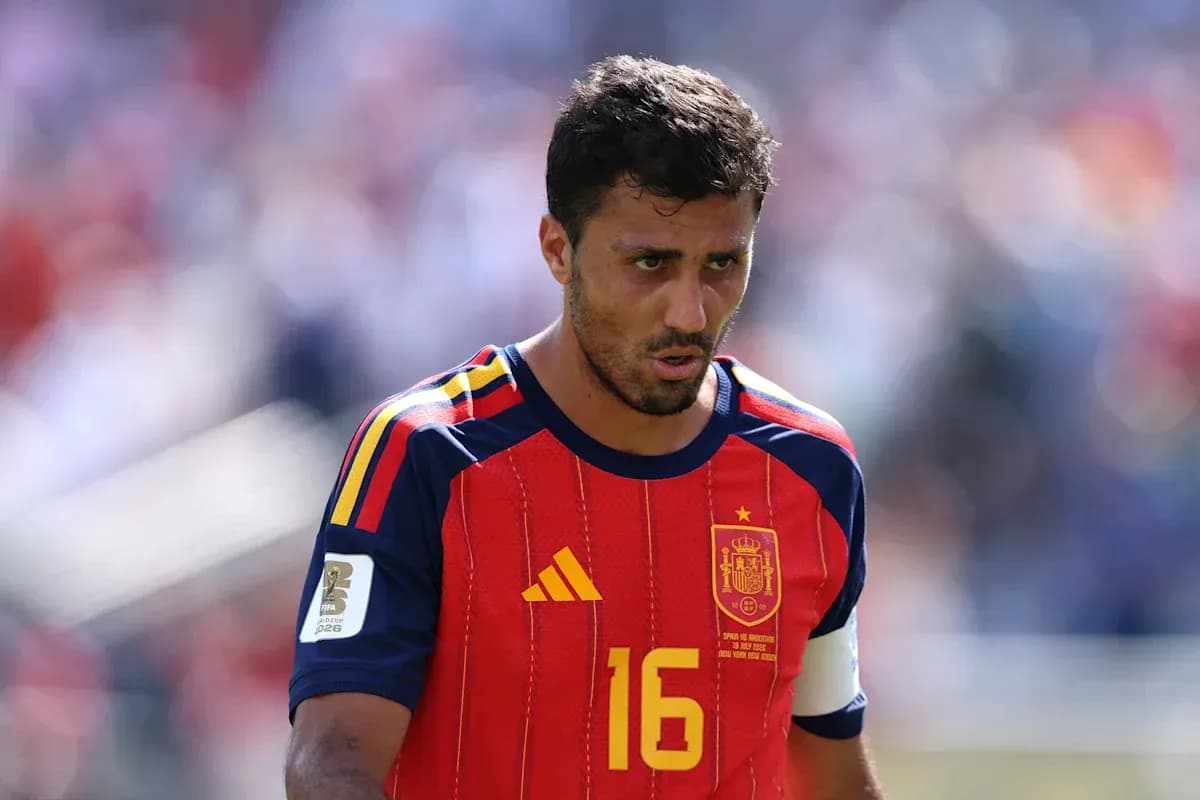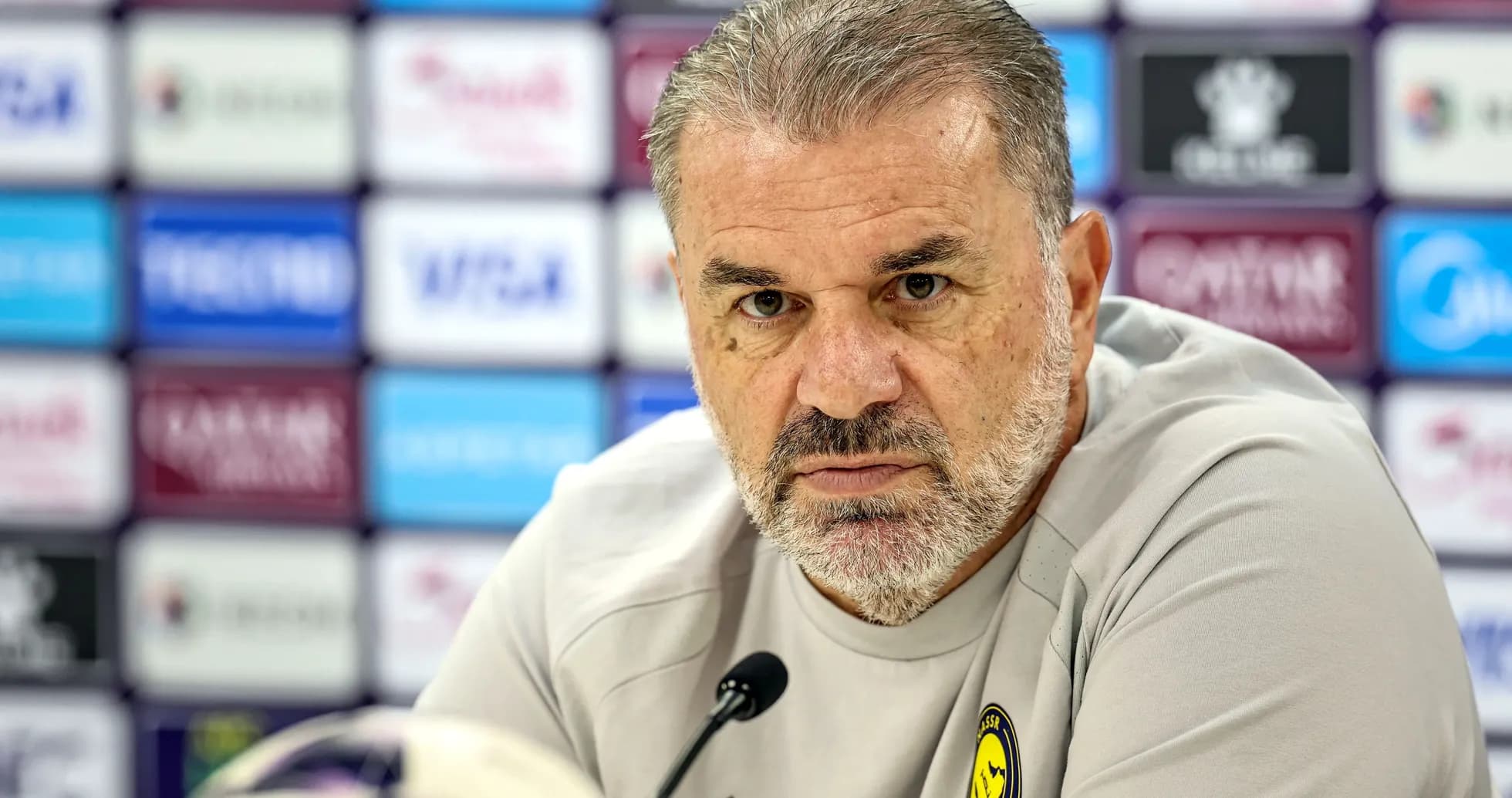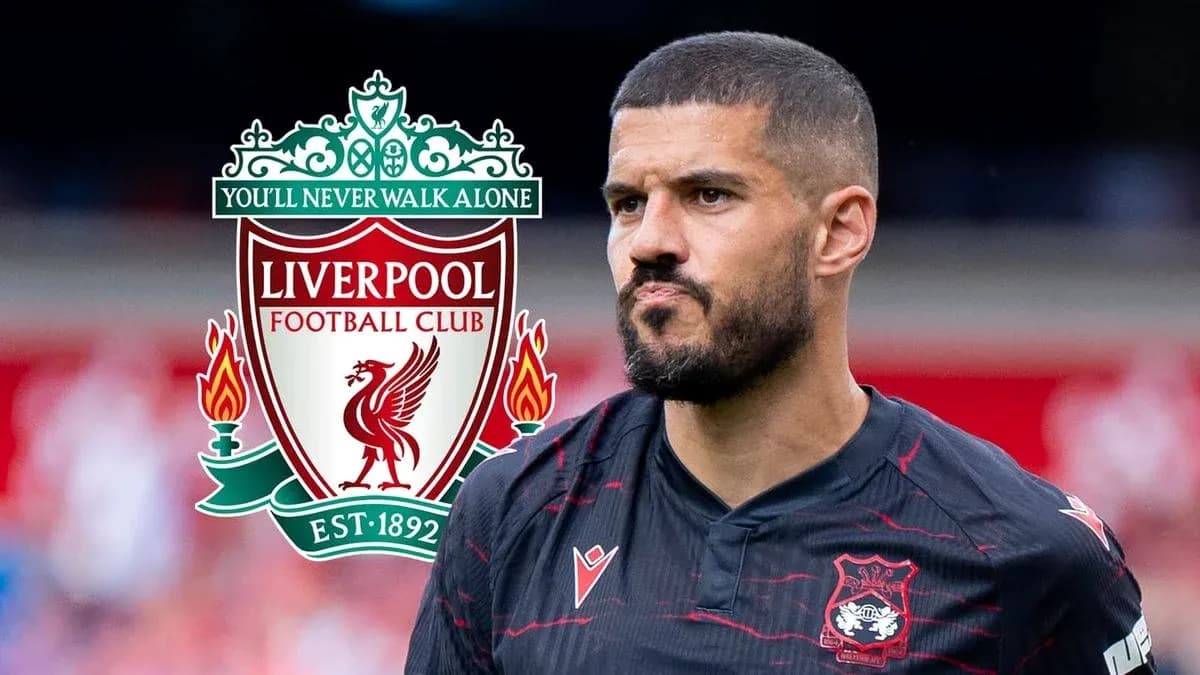
Conor Coady Returns to Liverpool Academy as Hybrid Coach-Player
Conor Coady is back where it all began, walking through the doors at Liverpool’s academy not as a bright‑eyed teenager this time, but as a 33-year-old with a decade of hard miles behind him and a very modern role in front of him.
Released by Wrexham this week after being deemed surplus to requirements by Phil Parkinson, Coady could easily have slipped quietly into the market of out-of-contract defenders waiting for a phone call. Instead, he has chosen something more nuanced, more ambitious: a short-term return to Liverpool as a hybrid presence around the club’s under-21s, straddling the line between coach and player.
From Wrexham frustration to Anfield familiarity
His exit from Wrexham was hardly a shock. He didn’t make a single matchday squad in any of their first five fixtures in all competitions this season. Before that, his loan spell at Charlton Athletic in the second half of last campaign brought just 12 appearances and no permanent deal.
At Charlton he finished the season in defensive midfield, the role that once defined him as a youngster at Liverpool and later at Sheffield United and Huddersfield Town, before Wolves reshaped him into a centre-back and built a back line around his voice and passing range.
The sense of drift was obvious. Coady admitted as much on BBC Radio 5 Live, speaking of the need to be a “driving force” and his frustration at not getting that chance at Wrexham. He doesn’t sound like a player ready to fade away. He sounds like one who wants to matter.
A new chapter at Kirkby
So he has gone back to Liverpool. Not as the prodigy chasing a debut, but as a sounding board, a standard-setter and, if needed, an extra body in training.
“I’m lucky enough to get the opportunity to go into Liverpool’s under-21s,” he said. He’s doing “a little bit of coaching with the boys”, shadowing the staff, sitting in the office before sessions, watching how they plan and structure training. Jay Spearing, already embedded in a similar role, and U21 head coach Rob Page have opened the door for him to observe, learn and contribute.
This isn’t a ceremonial homecoming. Coady is training with the under-21s as well, ready to jump into sessions when numbers are short and to keep himself fit. In Premier League 2, clubs can field up to five overage players. The model is tried and tested: Manchester United used Paul McShane and then Tom Huddlestone as on-pitch mentors, experienced pros embedded in youth squads to drive standards. Liverpool have Spearing. Now they have Coady alongside him.
The idea is simple. Young players don’t just learn from diagrams and video clips. They learn from the voice next to them in the back four, from the midfielder who shouts them through a press, from the pro who has lived every mistake they are about to make.
Not done yet
Coady is clear: he has not retired. The boots are not on the peg for good. He is out of contract and free to sign for another club outside the transfer window, and he is in no hurry to leap at the first offer.
He spoke of “chasing a little bit over the last couple of years” and a determination not to repeat that pattern. He doesn’t want to “just sit on my hands and just enjoy going into training, come home and everything's good and you pick up your wages”. He wants the right club, the right role, the right responsibility.
For now, Liverpool gives him something he craves: influence. On the grass, in the dressing room, and in the meeting rooms where sessions are built. He wants to make a difference “on or off the pitch”. This arrangement lets him do both.
A bridge between generations
There is a neat symmetry to it all. Coady joined Liverpool’s academy at 12, signed his first professional contract in 2011 and made two senior appearances in the 2012/13 season before heading out on loan to Sheffield United and then permanently to Huddersfield. From there he climbed, adapted, reinvented himself, captained Wolves, played for England, experienced the Premier League’s intensity and the Championship’s grind.
Now he walks back into Kirkby with that experience in his pocket. He knows what it takes to survive in the game. He knows what it feels like when you don’t play. He knows the pull of a big club and the reality of leaving it.
Liverpool’s under-21s don’t just get a coach. They get a live case study.
The question now is not whether Conor Coady can still play. It’s where he chooses to channel that fierce need to lead next: in one more dressing room as a senior pro, or in a dugout that might mark the start of his second football life.