EFL Championship Early Shape: Strugglers Feel the Heat
Four games into the EFL Championship season and the table is already baring its teeth.
Swansea, QPR and Charlton have sprinted out of the blocks, each sitting on 10 points and setting an early pace that feels significant, even if the marathon has barely begun. For Charlton in particular, this start could become gold dust when the survival scrap inevitably tightens later in the year. Bank points now, breathe later.
Swansea look slick. QPR look sharp. History, though, is littered with fast starters who faded once the grind of this division kicked in.
West Ham, fancied for automatic promotion, stumbled through their opening three matches but finally flexed their muscles with a convincing win over Wolves. That result felt like a correction, a reminder that their squad and budget still make them the team to beat for the top two.
At the other end, the alarm bells are already clanging. Preston North End have lost four from four. No points. No momentum. Burnley, too, are winless, stuck on two points and searching for a foothold.
Top eight:
- Swansea – 10 pts
- QPR – 10 pts
- Charlton – 10 pts
- Wolves – 7 pts
- Boro – 7 pts
- Bristol City – 7 pts
- West Brom – 7 pts
- Birmingham – 6 pts
Bottom three:
- Stoke City – 3 pts
- Burnley – 2 pts
- Preston NE – 0 pts
It is early. But patterns are already forming, and some clubs will be feeling the weight of that table more than others.
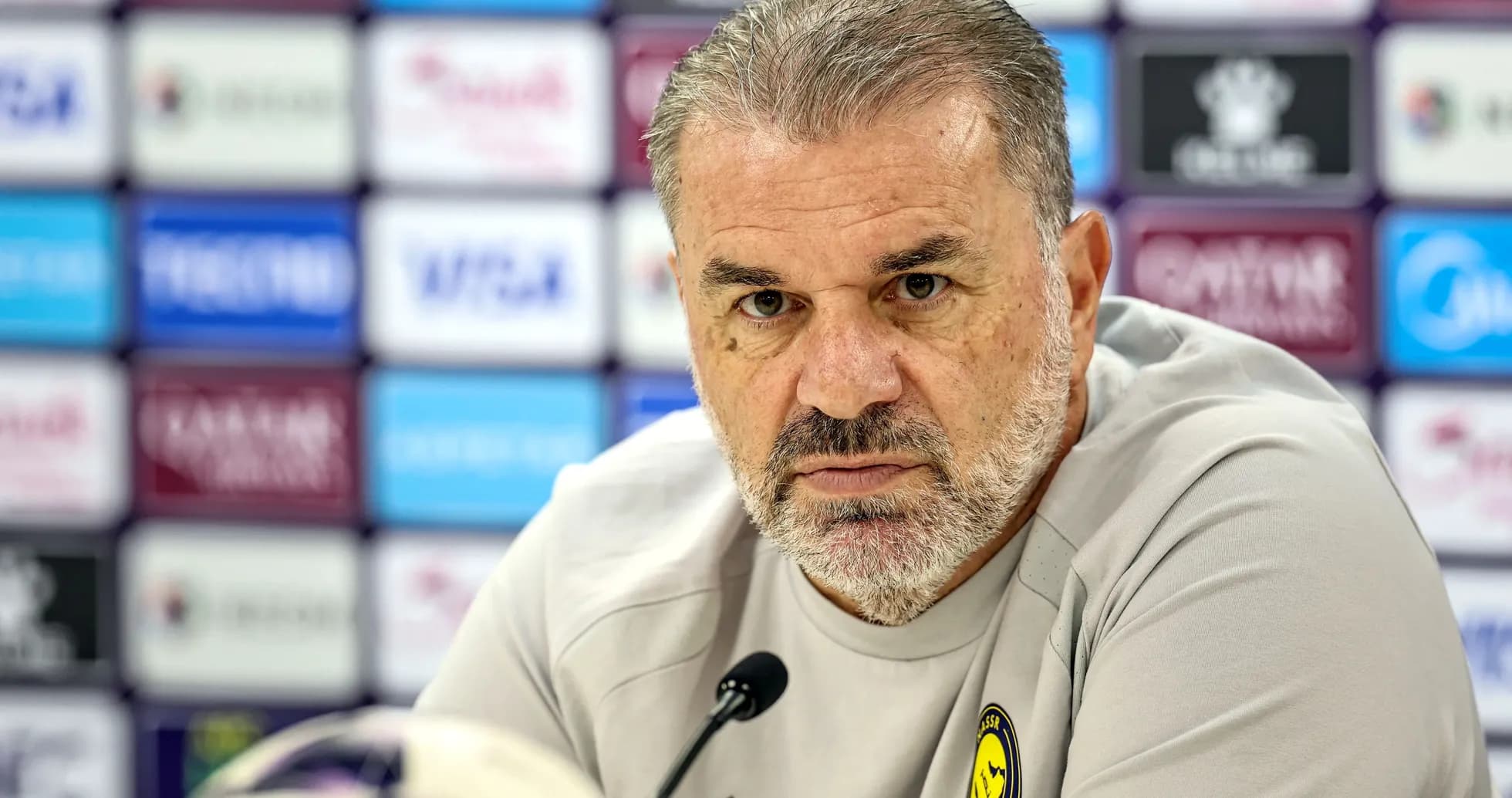
Tottenham face a rare luxury this season: no European football. No Thursday nights, no long flights, no awkward Sunday kick-offs. Just league games and a domestic cup tie. For Roberto de Zerbi, that clarity of schedule brings opportunity and pressure in equal measure.
The men’s side have only four fixtures this month, one of them a demanding EFL Cup trip to Anfield. The calendar offers a clean runway to build rhythm and points before a bruising October looms into view.
Tottenham Hotspur men’s fixtures:
- Forest (5 September)
- Everton (12 September)
- at Liverpool – EFL Cup (15 September)
- Villa (19 September)
Spurs showed flashes against Newcastle last week but walked away empty-handed. That can’t keep happening. This month needs substance, not just style. Forest and Everton are the kind of games that shape seasons for clubs trying to climb back towards the top. Liverpool away in the cup is a test of nerve and depth. Villa at home will reveal how far De Zerbi’s ideas have bedded in.
Across the club, the women’s team are also about to step into a new era. Their season opens against West Ham before trips to Liverpool and Crystal Palace, with the League Cup already woven into a busy September.
Tottenham Hotspur women’s fixtures:
- West Ham (6 September)
- at Liverpool (13 September)
- at Palace (20 September)
- West Ham – League Cup (23 September)
- Villa (27 September)
- at Brighton – League Cup (30 September)
Big personalities have gone. Beth England and Molly Bartrip were central figures and their departures strip away a layer of familiarity. What remains is a new-look Spurs side, carrying questions and opportunity in equal measure. How quickly they answer those questions will define their autumn.
Tottenham did not dabble in this transfer window. They detonated it.
More than £300 million poured into a squad that flirted with disaster last season. The message from the boardroom was unmistakable: back the manager, reset the squad, and do it fast.
Some of the exits were seismic. Cristian Romero and Guglielmo Vicario, both high-profile figures, moved on. Their departures signalled the end of one cycle. The arrivals screamed the start of another.
Mateus Fernandes headlined the business, a statement signing that underlined Spurs’ intention to rebuild their core, not just tinker around the edges. Marcos Senesi and Andy Robertson arriving on free transfers was shrewd, almost ruthless work in a market where value is rare.
Savio’s signing shows where the club want to go. Pay the premium, inject quality out wide, give De Zerbi a winger who can unpick tight games. Omar Marmoush adds another attacking option, someone who can stretch defences and offer different movement.
Then there is Mykhailo Mudryk. On paper, the move jars. His time in England so far has raised more questions than answers. Can De Zerbi reach the version of Mudryk that once looked like one of Europe’s most explosive young wingers? And if he does, what does that mean for Spurs in the long term, structurally and financially?
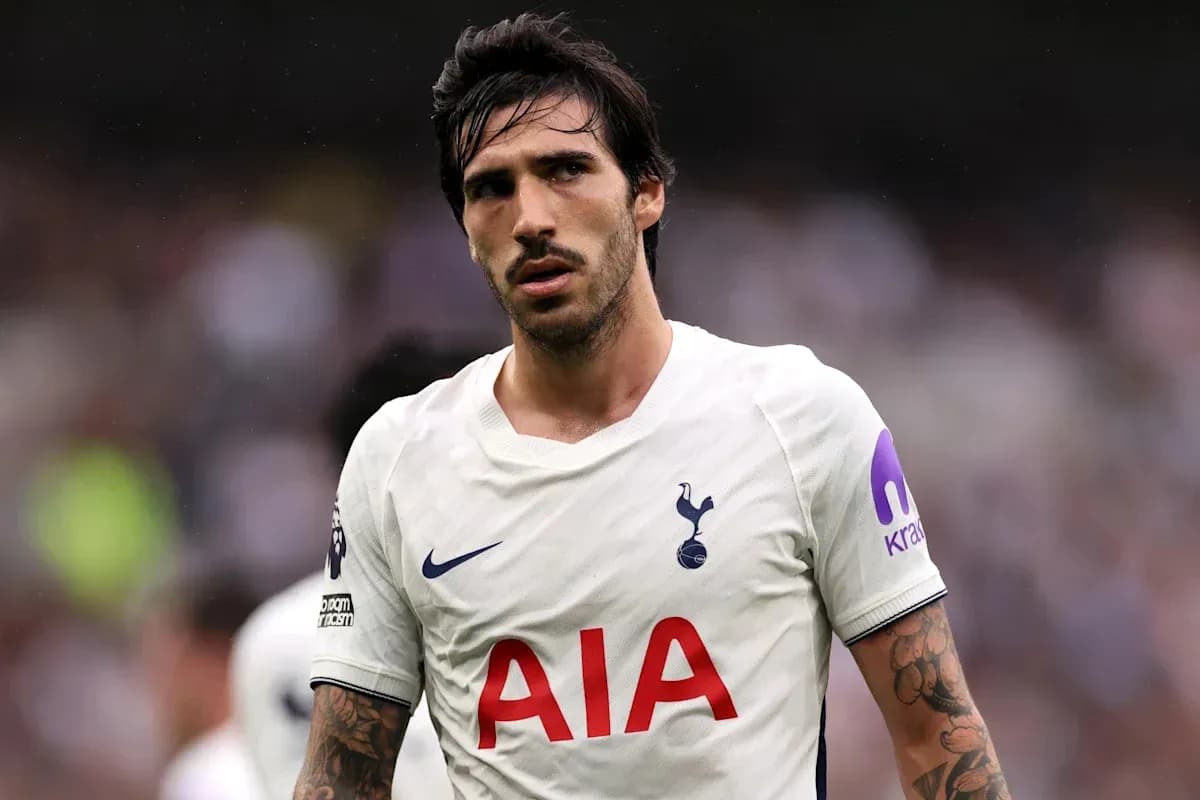
Sandro Tonali represents another big swing. A midfielder of his profile and pedigree changes the feel of a team. On paper, the spine looks stronger, more assertive, more capable of dictating games instead of simply surviving them.
The window, taken as a whole, looks like a success. Aggressive, ambitious, coherent. A B+ with room to become an A if the pitch performances match the investment.
Not every call convinced. Letting Will Lankshear leave feels like a gamble that might come back to bite. A loan route, a patient development plan – those paths appeared open. Spurs did at least secure a healthy sell-on clause, but raw goalscoring talent is hard to replace once it’s gone.
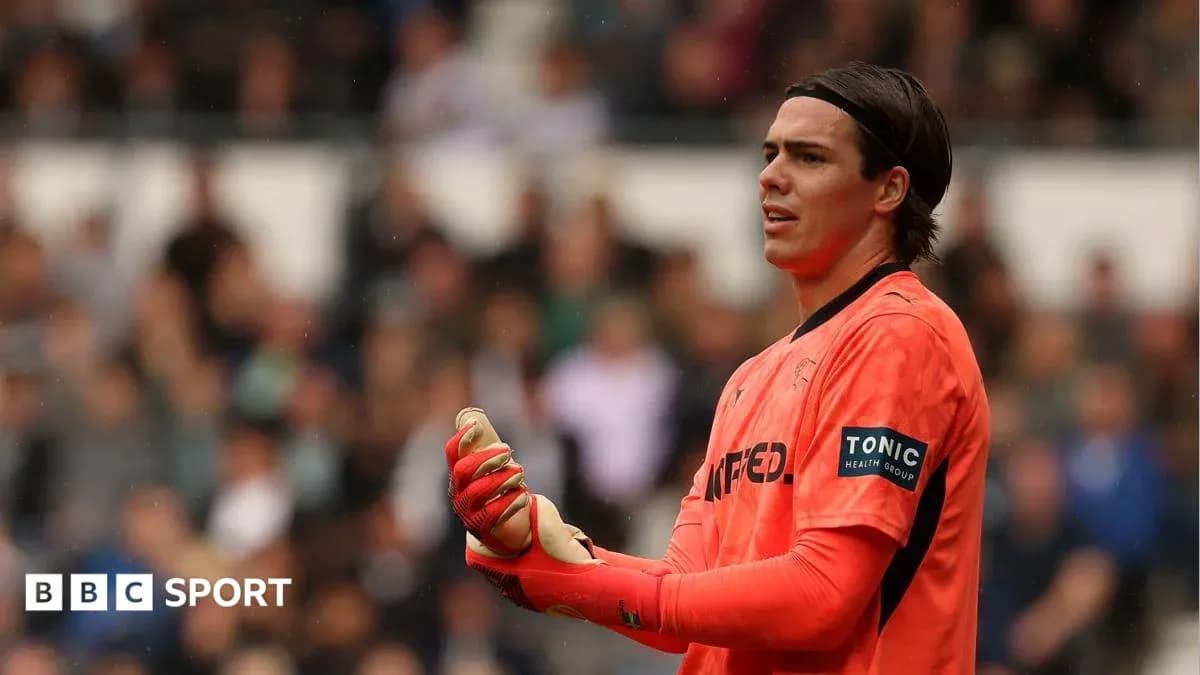
The goalkeeping situation also lingers as a concern. Martin Dúbravka does not look like a genuine long-term challenger to Antonín Kinský, and doubts remain over Kinský himself. This summer felt like a chance to reset in that position, to bring in a clear No 1. That chance slipped by.
Spurs now stand with a refreshed squad, a bold manager, and a stripped-back schedule. The board have spent. The squad has been reshaped. The excuses have thinned.
The next judgment won’t come from a balance sheet. It will come from the league table.