The Evolution of European Football: From Maradona to Modern Super Leagues
On a warm September night in 1987, European football changed without quite realising it. Diego Maradona’s Napoli walked into the white glare of the Bernabéu to face Real Madrid’s La Quinta del Buitre in the first round of the European Cup. First round. Maradona, the world’s best, gone before the leaves had even started to fall.
Madrid won 2-0 in Spain, then held Napoli 1-1 at the San Paolo. Tie over, I Partenopei out, the continent’s most compelling player dumped unceremoniously at the first hurdle. For romantics, it was brutal. For powerbrokers, it was unacceptable.
One of them, Silvio Berlusconi, took it personally. The AC Milan owner did not buy into the idea that a superclub could vanish from Europe in September because of one bad week. If Napoli could go, Milan could too. That, in his mind, was bad business.
So he pushed an idea that sounded outlandish at the time: a European super league. The richest, most glamorous clubs, guaranteed big nights, guaranteed revenue, guaranteed exposure. No more rolling the dice on a single two-legged tie in the opening round.
The super league never materialised then, but the message landed. Uefa blinked. Five years later, the Champions League arrived, reshaping the landscape. Group stages, more games, more money, more certainty for the elite. The original European Cup, a straight knockout contest that had made legends and broken them, was nudged aside.
That still did not satisfy the hunger at the top. One place per country became two, then three, then four. In some cases, now, five. The ladder kept extending for those already at the summit. The latest twist, the so‑called Swiss model, pushes the logic to its limit: a sprawling league phase, more fixtures between the wealthiest clubs, and far less risk of a heavyweight crashing out early.
Gabriel Hanot, the French journalist who dreamed up continental competition in the first place, would hardly recognise this version. His vision was a pure sporting quest: champions against champions, jeopardy at every turn. Today’s format hums to a different tune. Yet the stadiums fill, the screens glow, and the spectacle rarely fails.
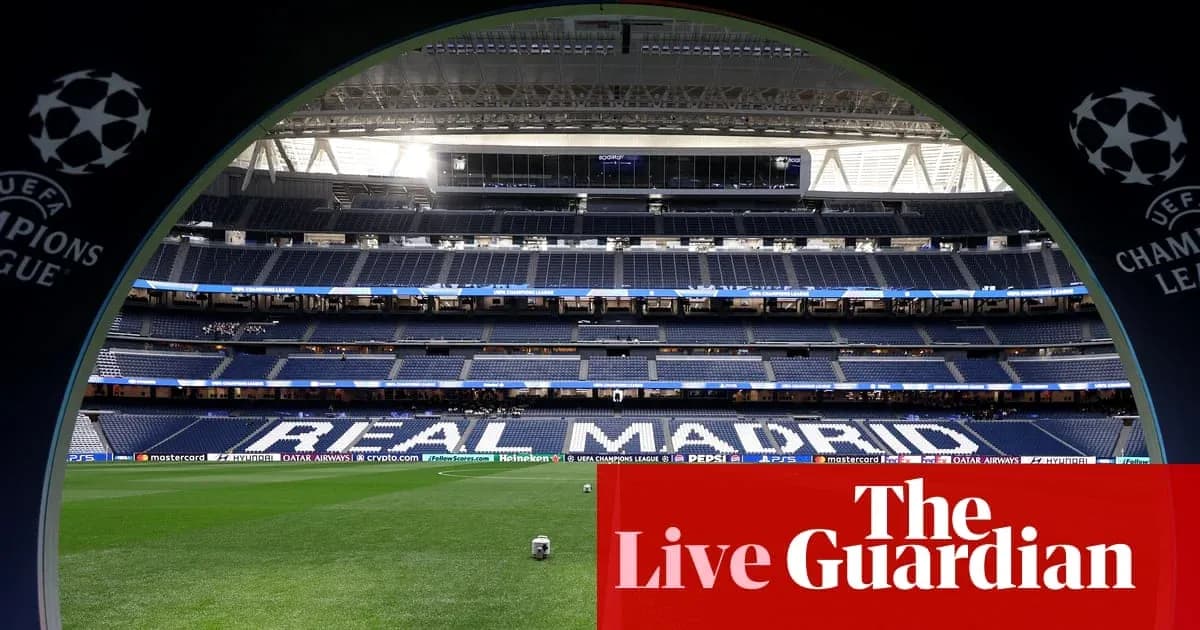
Because then you see the fixture list. Real Madrid v Internazionale. A tie that would have sold out any stadium in Europe at any point over the last half-century, now one of many in a swollen calendar. And still, you can’t look away.
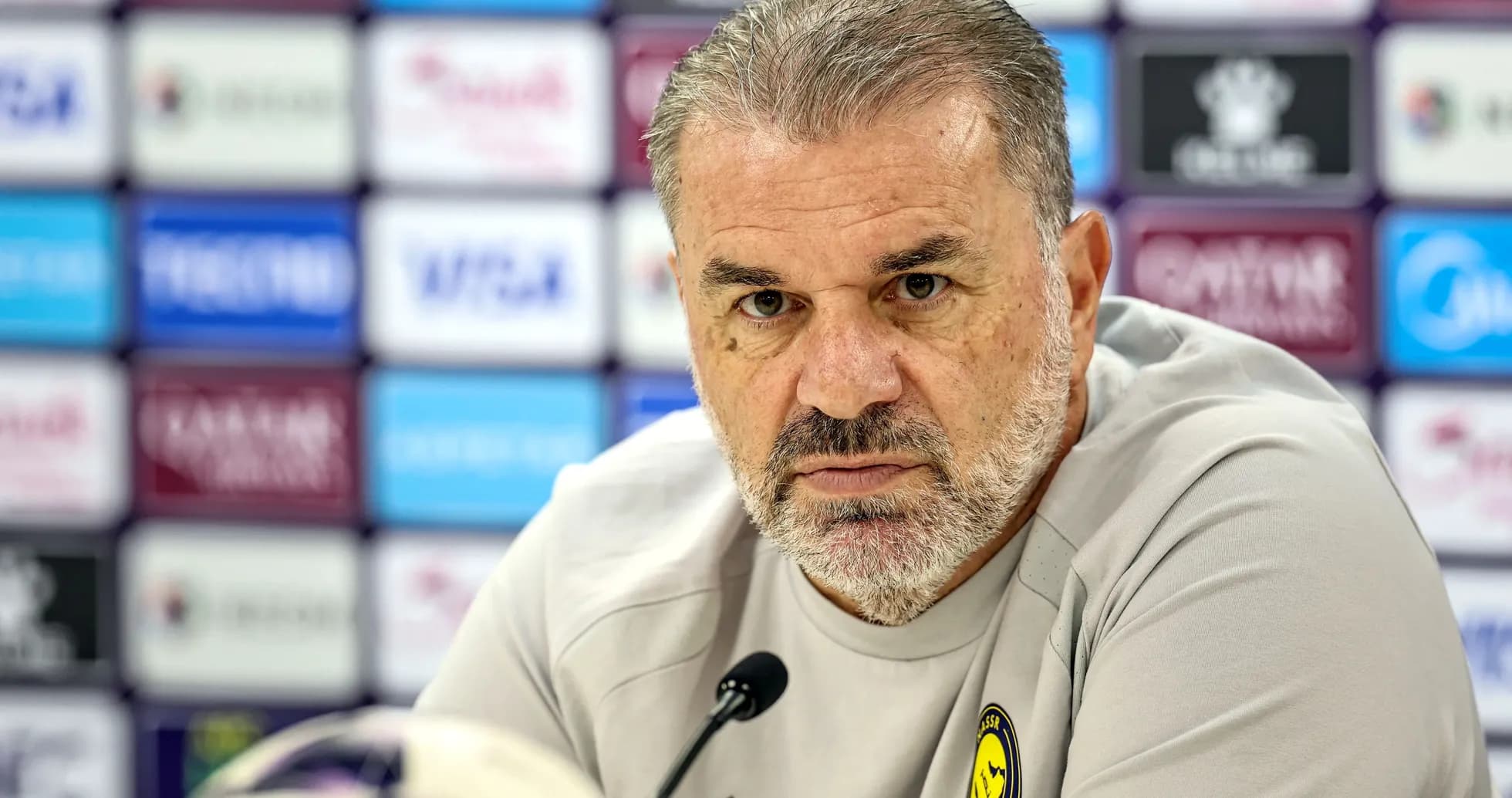
There is intrigue everywhere you turn. José Mourinho, back under the harshest of spotlights, walks into another job billed as his last great chance. Does he still have the old electricity, the siege mentality, the tactical sting that once defined entire seasons? Across from him stands Cristian Chivu, no longer the diligent defender who carried out Mourinho’s instructions at Inter, but the coach trying to carve out his own identity at a club where his former manager wrote a masterpiece.
That alone could carry a night. It doesn’t have to.
In Dortmund, another story brews. The Westfalenstadion, that great yellow cauldron, will lean in to watch Konstantinos Karetsas, an 18-year-old midfielder who has burst into the senior game with the kind of poise that makes scouts sit up straighter. Dortmund against Villarreal might not carry the historical weight of Madrid-Inter, but it crackles with possibility. A teenager, a noisy stand, a European stage. That combination rarely disappoints.
Elsewhere, the giants keep moving. Porto host Manchester City, the reigning benchmark of the modern superclub era, while Lille face Real Betis in a tie that offers its own tactical nuances and flashes of flair. Each game adds another layer to a competition whose meaning has been stretched, commercialised, debated to death – and yet remains irresistible once the whistle blows.
What does any of it amount to in the grand scheme? That’s harder to pin down now. The old clarity of knockout football has been replaced by a long, winding road of league tables, seedings and coefficient calculations. But context tends to dissolve when the ball runs true, when a crowd roars, when a manager on the brink clenches his fists at a late winner.
And this is only part of the evening’s menu. Back in England, the League Cup ticks into life at 7.45pm and 8pm BST, the competition that never quite knows where it stands in the pecking order but still throws up cold‑night classics and unexpected heroes. At 8pm BST, the Champions League takes centre stage again, the cameras flicking between continents of narrative.
The money men got their wish: more games, more giants, more guaranteed drama. The rest of us, despite everything, still lean forward as Real Madrid meet Inter and a teenager in Dortmund takes his next step. The structure has changed beyond recognition; the pull of the night has not.