Ferrari's Monza Misery: A Home Race to Forget
Ferrari left its home race not with a roar, but with a grimace.
On a day when the Tifosi packed Monza in a sea of red, Lewis Hamilton salvaged only sixth place, Charles Leclerc crashed out after barely two laps, and a 19-year-old Mercedes rookie, Kimi Antonelli, stormed from 19th on the grid to win the 2026 Italian Grand Prix. For Maranello, that combination cut deep.
This was not just a bad Sunday. It was the kind of afternoon that shakes walls in the boardrooms of Turin and Maranello alike.
A Home Race That Fell Apart in Two Laps
Ferrari’s weekend began with genuine hope. Third and fourth on the grid, Leclerc and Hamilton lined up with a realistic shot at the podium, maybe more. Monza, the power circuit, the cathedral of speed, the place where Ferrari is never allowed to simply “do its best.” Here, it must deliver.
Instead, the race unraveled almost immediately.
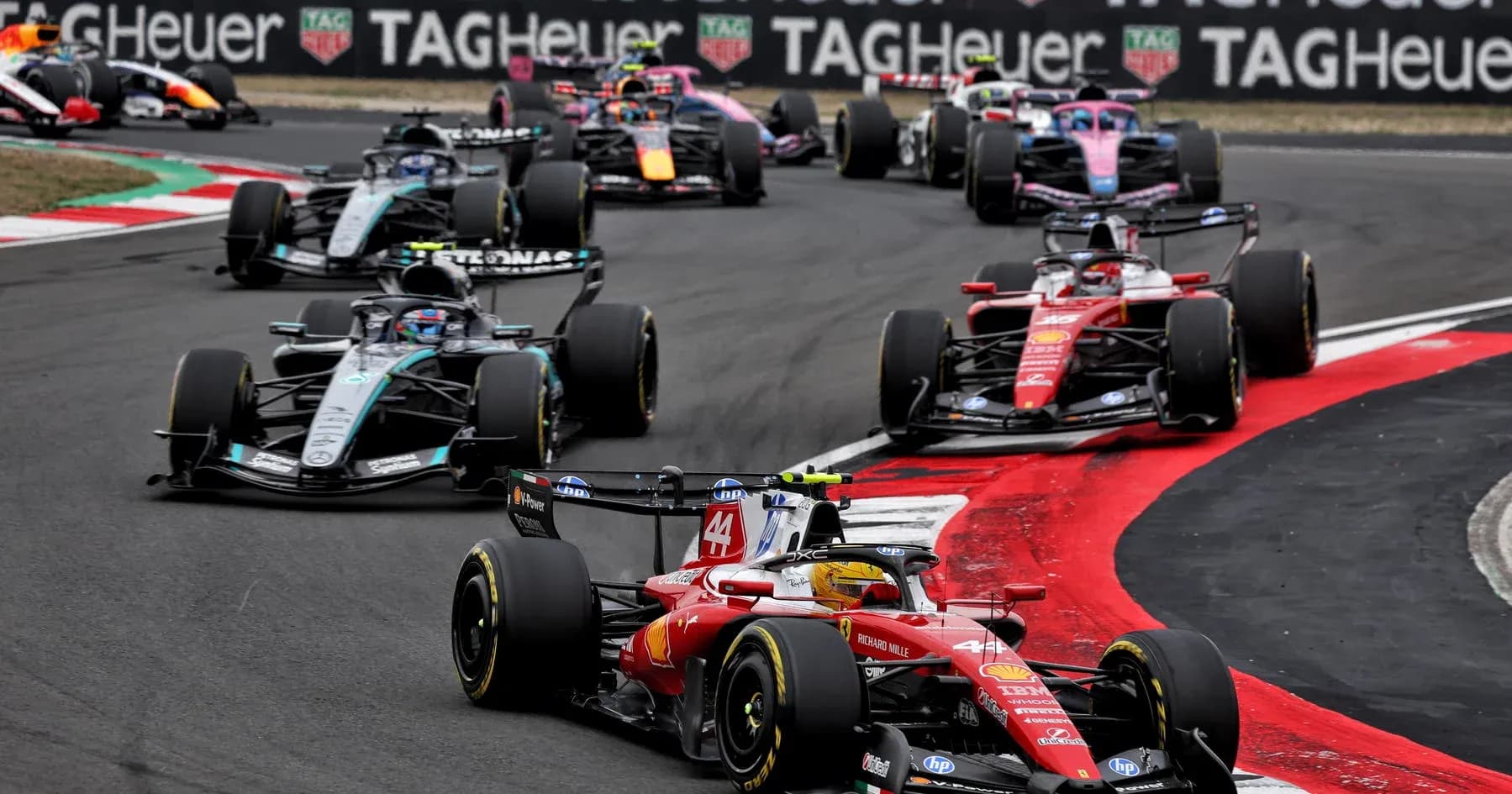
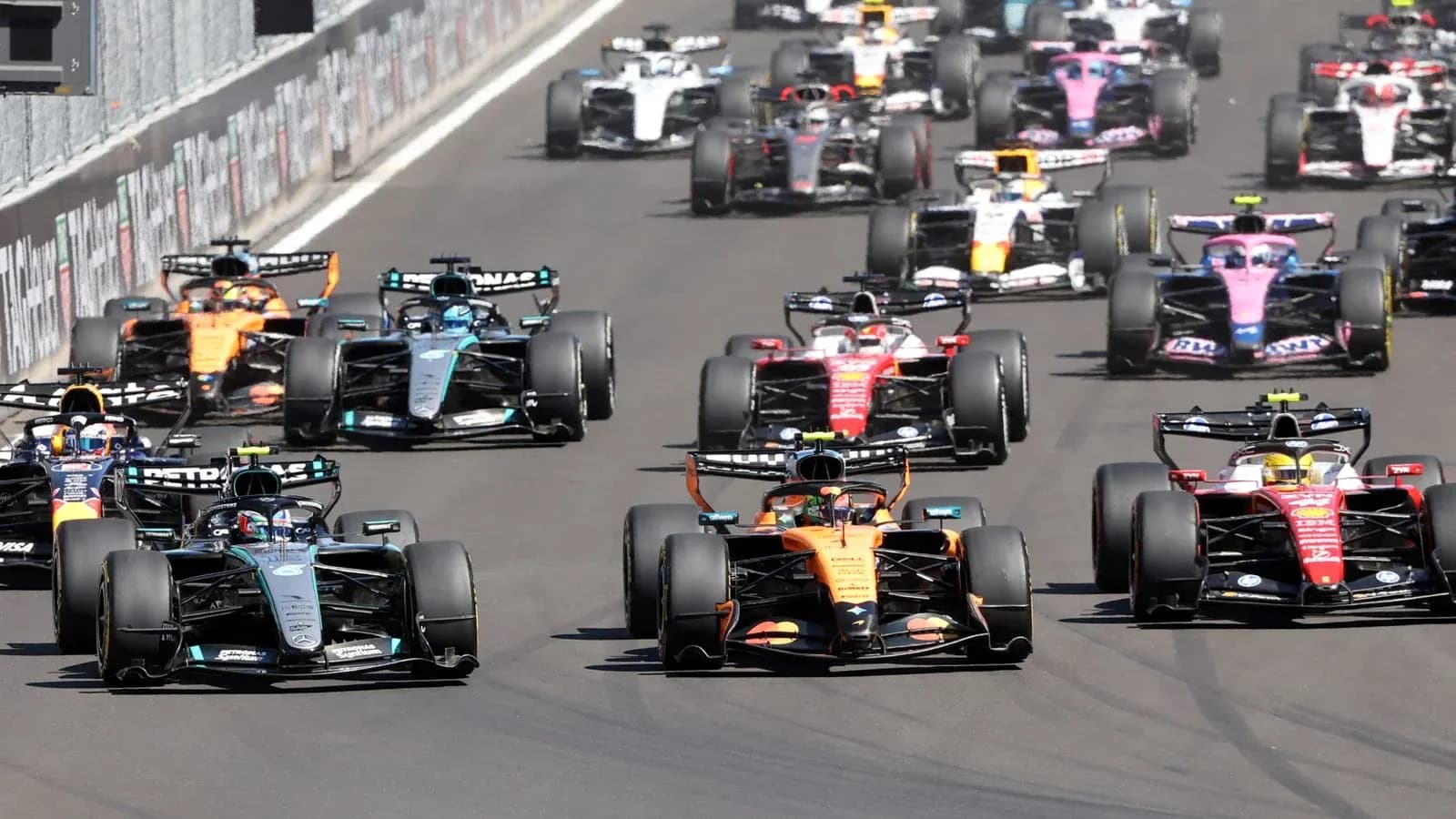
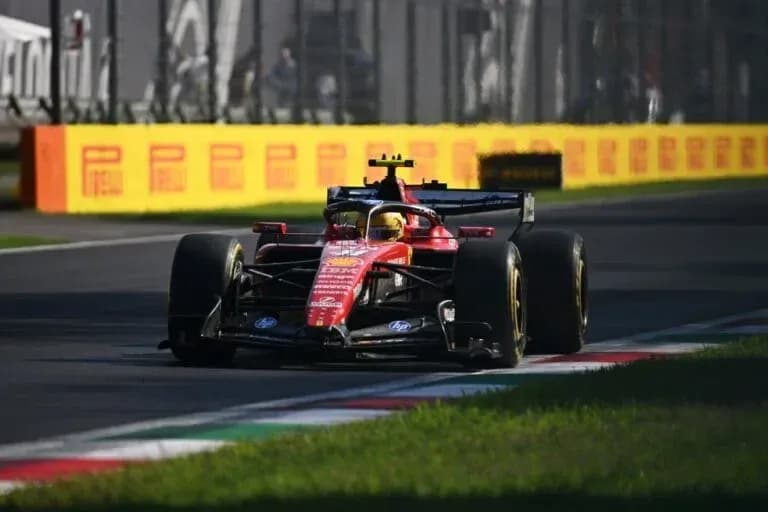
Into the opening chicane, the two red cars ran side by side, Hamilton and Leclerc fighting for the same strip of tarmac. Hamilton ended up on the gravel, losing crucial positions. Moments later, Leclerc’s race ended violently at Curva Alboreto on lap two. The Ferrari that was meant to attack the Mercedes instead sat in the barriers, and the other one was buried in traffic.
Hamilton eventually clawed his way back to sixth over 53 laps, but it felt like a consolation prize on a day that was supposed to be a statement.
He was blunt afterward. Hamilton insisted he had the advantage into Turn 2 and called the clash “very bad for the team,” lamenting how far it set Ferrari back. He spoke of wrong tyre choices, of lost points, of decisions coming “many, many weeks too late.” Above all, he sounded gutted for the Tifosi and for the people at the factory who, in his words, are “really really giving it everything.”
Those words cut to the heart of Ferrari’s problem. The effort is there. The execution is not.
Leadership, Rules of Engagement, and a Rising Crisis
Monza has thrown a harsh spotlight on Ferrari’s internal structure. According to reporting from The Race, senior figures inside the team and around it are questioning whether there is a clear enough hierarchy and set of rules between the two drivers.
The Dutch Grand Prix and Monza have become Exhibit A and B in that discussion. Incidents, near-misses, and costly clashes are being replayed and dissected. Not just in the media, but in the corridors of power.
This is where Fred Vasseur finds himself squarely in the firing line.
Only last year, the Frenchman signed a renewed multi-year contract as team principal. He was meant to be the steady hand after years of upheaval. Yet insiders suggest Ferrari’s management was far from impressed by what unfolded at its home race, and Vasseur’s position is now at the center of internal debate.
This is not yet a decision, but it is very clearly a conversation.
Power Unit Questions and Strategic Hesitation
The on-track picture only deepens the unease.
Ferrari arrived at Monza with the second ADUO upgrade on its power unit, hoping to close the gap to Mercedes on a circuit that exposes any weakness in straight-line speed. Instead, the opposite story played out. Mercedes looked stronger, more efficient, and more confident in race trim.
The upgraded Ferrari engine did not drag the red cars closer to the silver ones. On a power-hungry track, that is a brutal verdict.
There is also frustration, according to The Race, over the team’s response to the revised start procedure. Where Mercedes adapted and thrived, Ferrari appeared slow to react. At this level, hesitation is a luxury you cannot afford.
Taken together, it paints a picture of a team that is not just being beaten on Sunday, but out-thought from Friday onwards.
The Vasseur Question: Who Comes Next?
When Ferrari stumbles, one question always follows: who could replace the person in charge?
The names being floated are familiar. Antonello Coletta, the man who leads Ferrari’s World Endurance Championship programme, has long been linked with a potential move into Formula 1 leadership. His success in the endurance arena has not gone unnoticed, and his name is again being whispered as a possible successor if Ferrari opts for an internal reshuffle.
Christian Horner is the other high-profile figure mentioned by The Race. The Red Bull boss has previously been approached by Ferrari chairman John Elkann and reportedly turned the job down. Yet his name refuses to leave the conversation. When Ferrari looks outside, it tends to look at the very top.
For now, these are scenarios, not plans. But they exist for a reason.
“We Can’t Go On Like This”
The mood in Italy has hardened.
Corriere della Sera captured the tone in Maranello and Turin: “We can’t go on like this.” The paper reports that even Vasseur, despite his recently renewed deal, understands his future is uncertain under the weight of pressure “from on high” that could “trigger a change.”
Not immediately, they suggest. But with Monza framed as a potential “revolutionary” moment, the implication is clear: patience is running out.
The same publication calls it “a major turning point at Ferrari” and stresses a stark reality — there is “no Plan B beyond the French manager.” That line is as much a warning as it is a description. Vasseur’s Ferrari, they say, is under scrutiny by Elkann’s Ferrari, “which can no longer pretend nothing is wrong.”
The symbolism of Monza makes this different. Losing at home is one thing. Watching a teenage Mercedes driver charge from 19th to victory, while your own cars collide, crash, and limp to sixth, is another.
Ferrari has lived through crises before. It knows the weight of its own history, the impatience of its public, the ruthlessness of its leadership. The question now is not whether this weekend hurt. It is what – and who – the Scuderia is willing to change to make sure it does not become the new normal.