FIA President: Fernando Alonso Must Not Leave Formula 1 This Way
Fernando Alonso has built a career on defying logic. Titles with Renault, near-misses with Ferrari, a late-career resurgence with Aston Martin. Now, at 45, he stands at another crossroads – and the head of motorsport’s governing body has made it clear he does not want the story to end here.
Mohammed Ben Sulayem, president of the FIA, says it would be “not acceptable” for Alonso to walk away from Formula 1 while stuck in an uncompetitive car and mired at the back of the grid.
Alonso, a two-time world champion, is out of contract with Aston Martin at the end of the season and said on Thursday that any decision on his future will come “not soon”. He has time. The situation around him, though, is tightening.
A champion stuck in 10th
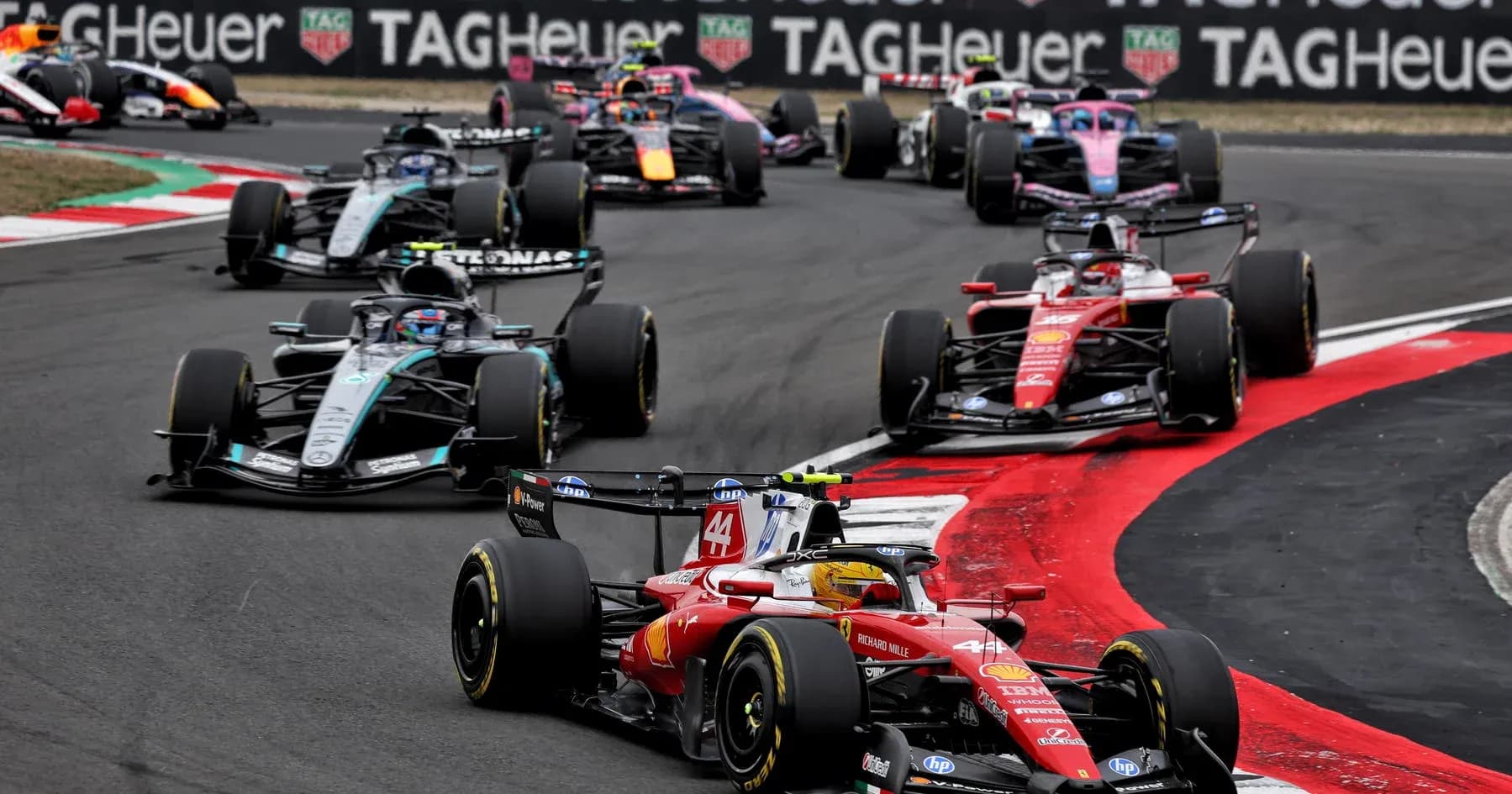
Aston Martin sit 10th in the constructors’ championship, paying the price for a car that has slipped badly from the promise of previous seasons. The team’s Honda power-unit has been assessed as the least powerful on the grid, leaving Alonso and his team-mates fighting physics as much as rivals.
For a driver who once traded blows with Michael Schumacher and Lewis Hamilton at the peak of F1’s intensity, this is a harsh comedown. In Madrid on Friday, Ben Sulayem made it clear he does not want the curtain to fall like this.
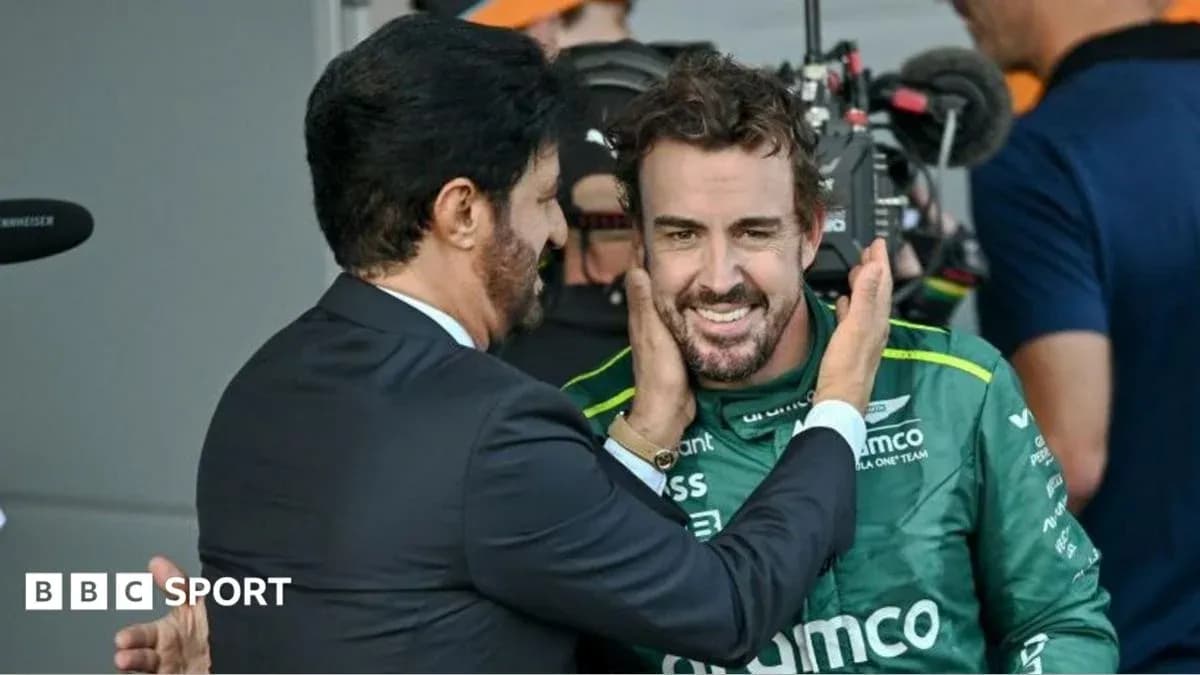
“There is no way we can allow Fernando to leave – Alonso, a great champion – to leave just because of the circumstances,” he said. “That's not the way to leave the stage. He has to be successful and then he leaves whenever he wants, not because he was forced to leave because of the performance.”
The language was emotional, almost protective. This was not a dry, administrative response. It was a racing man talking about another.
‘I saw him very sad’
Ben Sulayem, whose presidency has already attracted controversy over governance changes within the FIA, said he intends to speak directly with Alonso about his future.
“I will be speaking to him,” he said. “I said to him, I saw him very sad, and I said, ‘Fernando, I understand, it's not acceptable that you are coming to your own country and now after two times a world champion…’”
The scene is easy to picture: Alonso, racing at home, burdened by a car that cannot match his ambition; the FIA president trying to reassure a driver who has given two decades to the sport.
Ben Sulayem then revealed that steps had already been taken earlier in the year to help Aston Martin’s engine situation.
“We did something earlier, in May, legally for the team towards the engine to go and improve,” he said. “And then I said to him: ‘I am not going to tell you what we are going to do. Please tell me what you want because you are the driver and come and tell me what do you want us to do to improve these results.’”
The Aduo lifeline
An FIA spokesperson later clarified that Ben Sulayem was referring to F1’s additional development and upgrade opportunities system – known as Aduo.
Under Aduo, any engine manufacturer whose power-unit is judged to be more than 2% down on the benchmark is given extra scope to upgrade its design. In a cost-capped, largely frozen engine era, that mechanism is crucial. It is one of the few levers that can be pulled to help a struggling power-unit catch up.
“It is a comment about the Aduo process and that he hopes Fernando Alonso stays in the sport,” the spokesperson said. “That is all.”
The message: this is a formal, regulated route, not a backdoor fix for a superstar. The FIA is adamant it is operating within its own framework.
Questions over the FIA’s role
Even so, Ben Sulayem’s words triggered an obvious concern: where is the line between a passionate president and an overreaching one?
Pressed on whether the FIA chief was suggesting he could intervene in a way that might compromise the body’s role as an independent, objective regulator, the spokesperson pushed back.
“He is passionate about the drivers, having been one himself, and I really would not read too much into this,” they said.
That passion is clear. Ben Sulayem has made no secret of his admiration for drivers who have shaped eras of the sport. Alonso is one of them. The risk, though, is that any hint of preferential treatment – even rhetorical – invites scrutiny in a paddock that watches every move.
How does Alonso’s story end?
For now, the immediate reality is brutal. Alonso remains one of the sharpest operators on the grid, still capable of dragging lap time from a car that does not deserve it. Yet Aston Martin’s slump and Honda’s power deficit have left him fighting for crumbs.
He insists he will not rush his decision. The market will move around him. Seats will open. Projects will be pitched. Retirement will lurk as an option, not a threat.
Ben Sulayem has made his stance public: the sport, in his eyes, owes Alonso a better exit than this. Whether Formula 1 can give him that – on merit, within the rules, and in time – is another question entirely.