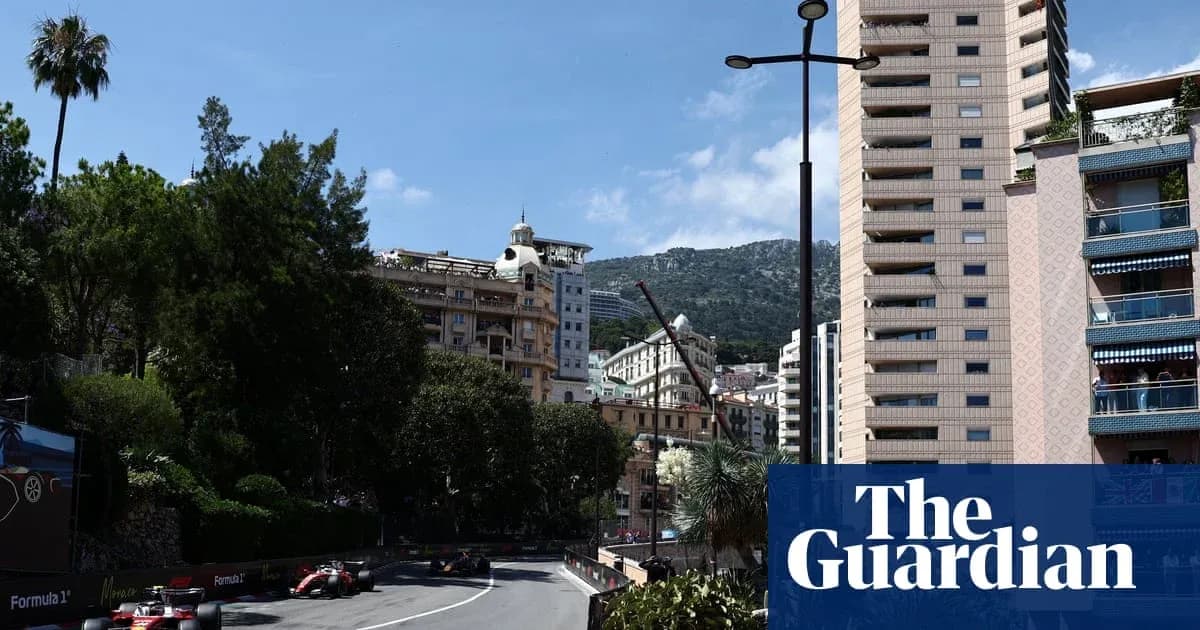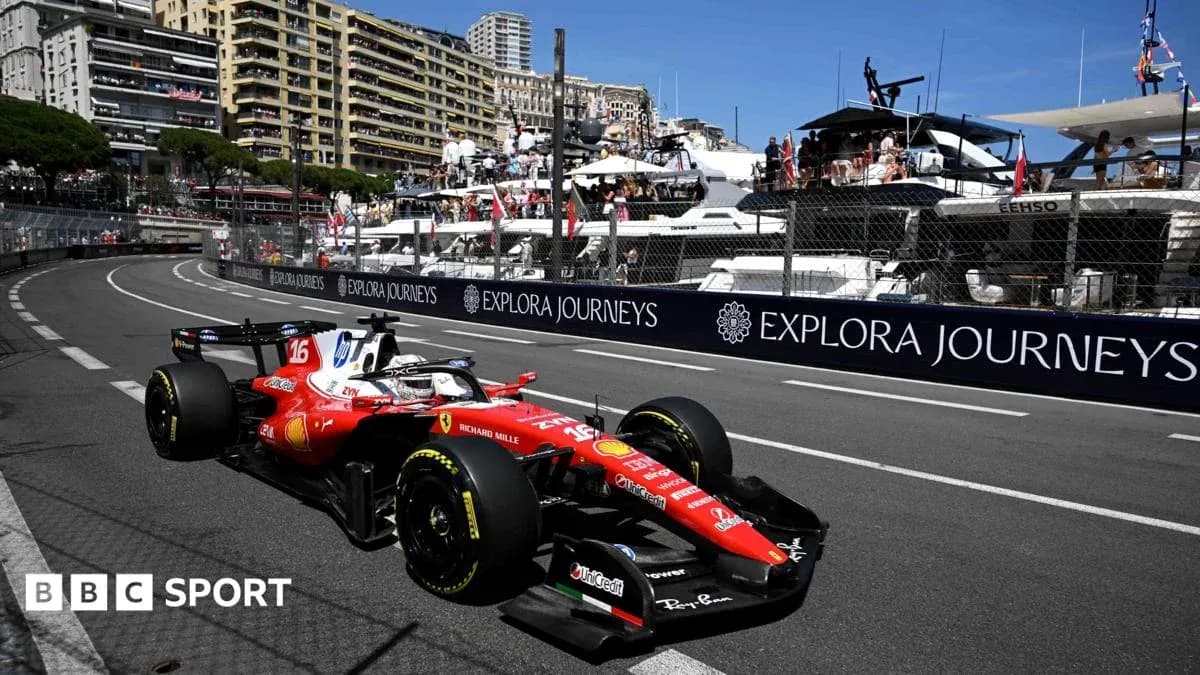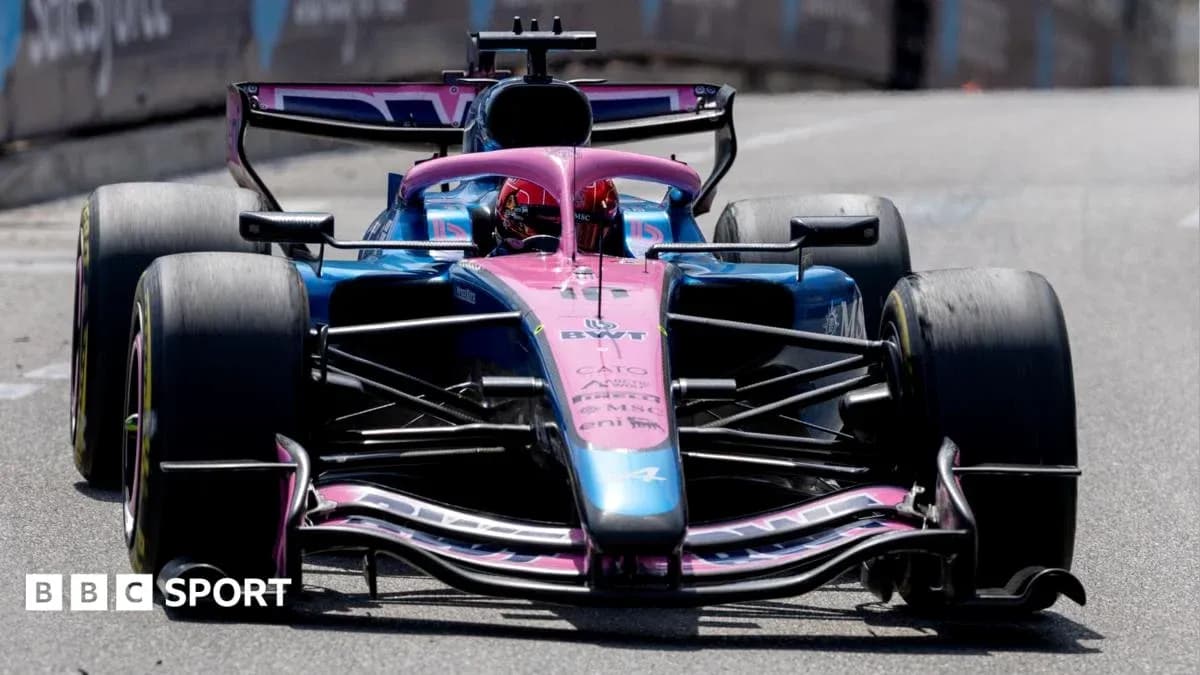
Gasly Loses Monaco Podium as Court Rules in Favor of McLaren and Red Bull
The Monaco Grand Prix has been rewritten again – and this time, Pierre Gasly is the one who pays the price.
McLaren and Red Bull have won their joint appeal over the pit-lane speeding controversy, overturning the decision that had handed Gasly a podium weeks after the chequered flag. The Alpine driver, third on the road in Monte Carlo, now falls back to seventh, the position he originally held in the official classification.
Isack Hadjar is restored to third, Oscar Piastri to fourth, with Racing Bulls pair Liam Lawson and Arvid Lindblad promoted to fifth and sixth. A shuffled deck, all over 77 centimetres of tarmac.
A 77cm storm
The entire saga grew out of a tiny discrepancy in the pit lane at Formula 1’s most famous street circuit. The officially measured pit-lane distance, used to calculate the speed limit monitoring, did not match the shortest legal line a driver could actually take. The difference? Just 77cm.
That margin became crucial.
At Alpine’s initial appeal, it was demonstrated that by using this shorter route as the reference, Gasly had not technically exceeded the pit-lane speed limit. Two five-second penalties were thrown out, and with them came a dramatic promotion to the podium.
But the story didn’t end there. McLaren pushed back, arguing that changing the measurement method after the race shredded the idea of sporting fairness. Their driver Piastri had served a five-second pit-lane speeding penalty during the grand prix and lost two points because of it. The team argued that everyone had calibrated their approach to the pit lane based on the official parameters given before the weekend. Those, they said, could not simply be rewritten after the fact.
The international court of appeal agreed.
Court backs the original calibration
In its ruling, the court anchored its decision on a simple principle: once the event has started and competitors have been informed of the measurement parameters, those parameters cannot be altered mid-weekend or retroactively.
The judges accepted that a shorter line through the pit lane was possible and that the official F1 measurement was not the absolute minimum distance. But that, they said, did not make the official measurement “incorrect”.
The key point was consistency. Teams and drivers had calibrated their pit entry, limiter settings and risk margins to a common, event-wide reference. Changing that reference after the race to reassess individual cases was deemed incompatible with sporting fairness.
The court’s written reasoning was blunt: what fairness “absolutely precludes” is the retrospective replacement of that shared calibration parameter with a different geometric or measurement approach just to re-adjudicate a competitor’s result.
Once that principle fell into place, the dominoes followed. Gasly’s reprieve vanished, and with it his podium.
Wider fallout through the field
The Monaco penalties did not just touch Alpine and McLaren. Several drivers were hit by pit-lane speeding sanctions on the day, with knock-on effects throughout the points-paying positions.
George Russell was among those caught in the web. The Mercedes driver dropped out of the points after being penalised for not correctly serving a pit-lane speeding penalty. The appeal decision leaves that outcome standing, even if the underlying measurement debate has now been exposed as far more complex than it first appeared.
The verdict, then, tidies up the legal argument but not the lingering sense of unease. The rules were applied as written, the court says. The geometry, though, has left a scar.
Alpine left aggrieved
Alpine did not hide its frustration. In a statement, the team insisted it still fully believes Gasly never exceeded the pit-lane speed limit at any stage of the race, based on the shorter line that underpinned its original successful appeal.
“While we disagree with the decision, and still fully maintain that car 10 (Gasly) did not exceed the pit-lane speed limit at any point during the race, the team acknowledges the decision of the judging panel from the recent hearing in Paris,” the team said.
“While the result is not what we had hoped for, as we feel that we have been unjustly punished, the team is firmly focused on continuing to improve its performance on track and remains in a close and very competitive championship fight.”
So Gasly loses a podium he had already celebrated twice – once on track, once in the courtroom – and Alpine walks away empty-handed from a legal battle it briefly thought it had won.
McLaren and Red Bull, by contrast, leave with their original grievances vindicated and their drivers restored to where they believe they always should have been.
A few centimetres of pit-lane asphalt have redrawn the Monaco story. The bigger question now is whether Formula 1 moves to ensure that, next time, the limits are not only clear and consistent, but measured in a way no one can challenge after the flag falls.