Harry Kane Leads England as Ballon d’Or Returns to London
Harry Kane stands where English footballers rarely find themselves these days – at the very front of a Ballon d’Or queue.
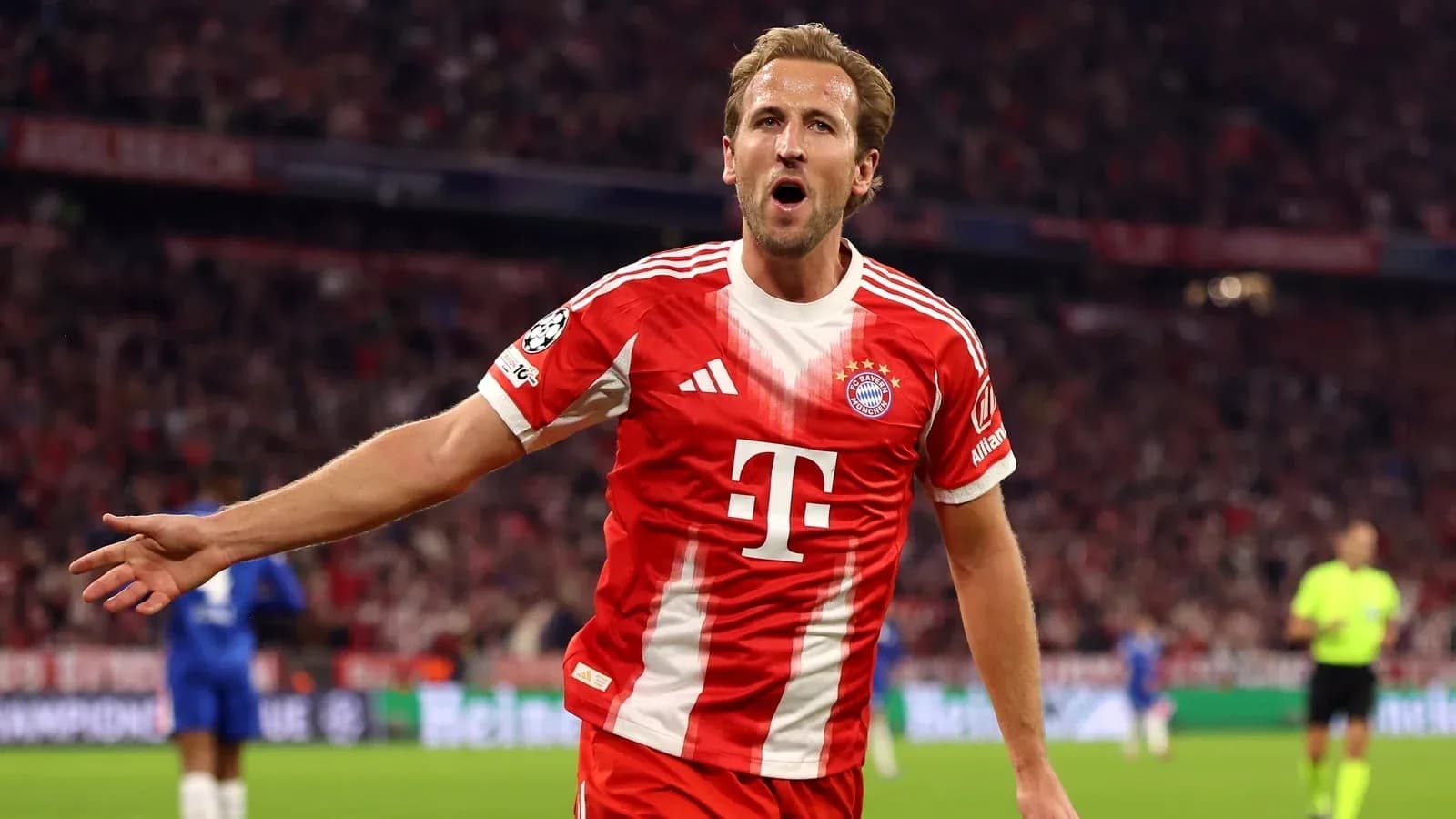
The Bayern Munich striker was confirmed on Tuesday among the nominees for the 2026 Men’s Ballon d’Or and, this time, the bookmakers do not see him as a plucky outsider. They have him as favourite. On 26 October, in London of all places, Kane could finally put his hands on the game’s most coveted individual prize.
It would be hard to argue with the numbers. Seventy-three goals in 65 matches for club and country. Another Bundesliga title in his first full campaign in Germany. The figurehead of an England side that battled its way to a World Cup bronze. Kane has built a career on relentless consistency; this season he added the kind of headline statistics that traditionally sway voters.
He will not have the stage to himself.
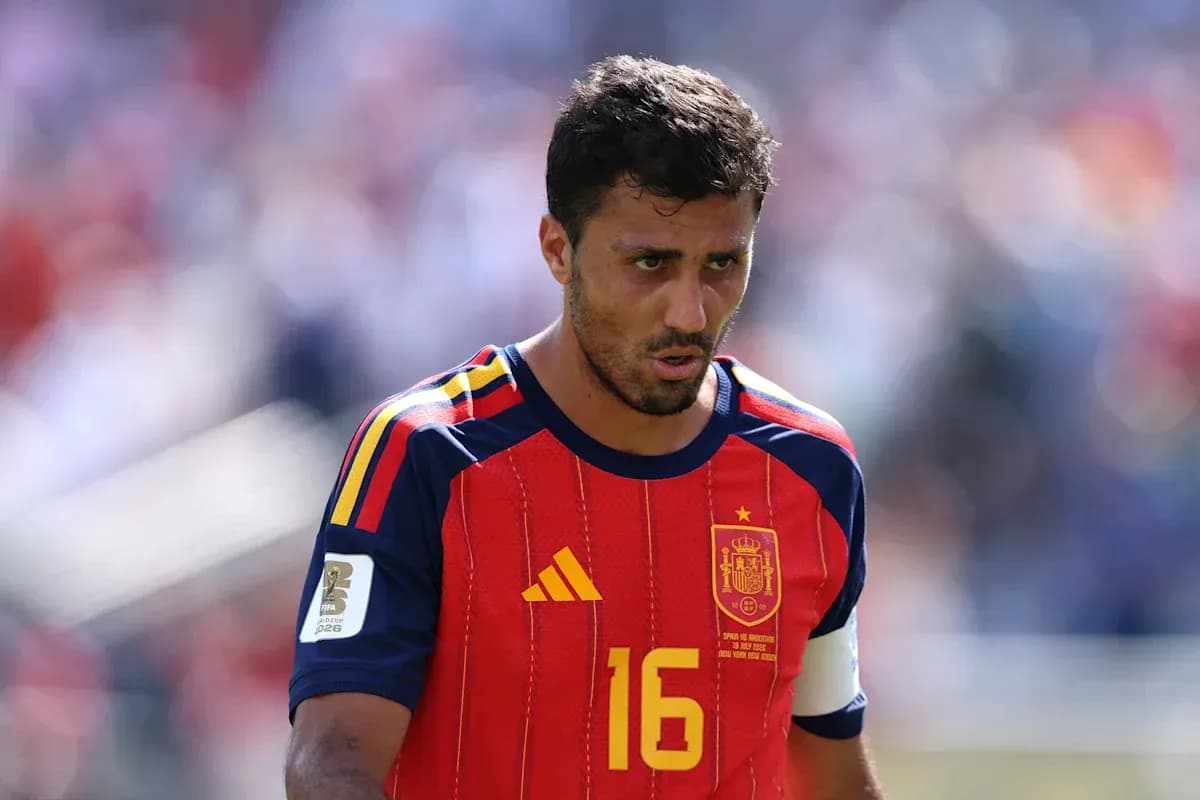
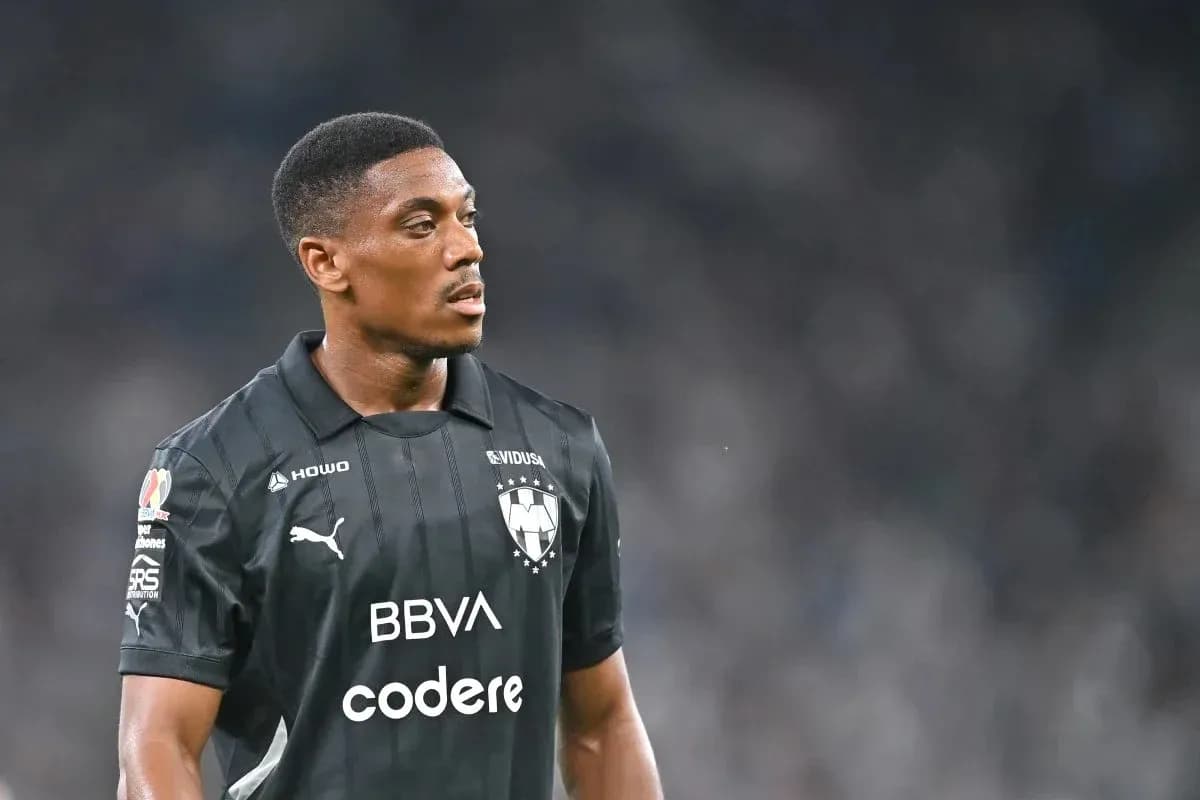
Holder Ousmane Dembele is back in the running, while Khvicha Kvaratskhelia, Lamine Yamal, Rodri and Kylian Mbappe form a glittering cast of rivals. The presence of so many attacking talents only underlines the scale of the task. At 33, Kane is operating in an era dominated for two decades by Lionel Messi and Cristiano Ronaldo. The last Englishman to win the Ballon d’Or was Michael Owen in 2001. A different generation. A different sport, almost.
This time, though, the ceremony comes to England. The London Palladium will host the awards for the first time, a symbolic shift in a landmark year for the trophy.
England’s Influence
England’s influence on the shortlist runs deeper than Kane.
Jude Bellingham and Declan Rice join their captain among the nominees, a trio that reflects the spine of Gareth Southgate’s national team and the Premier League’s enduring pull. Rice is one of several current Premier League names chasing the golden ball, with Bruno Fernandes, Gabriel, Erling Haaland and William Saliba all included.
Messi’s name appears once more on the 30-man list, a reminder that his shadow still stretches across the modern game. Ronaldo’s does not. The Portugal legend misses out entirely, a stark marker of how quickly eras close in elite football.
Young Talents
The spotlight is not reserved for the established stars.
Lamine Yamal, already a headline act for club and country despite his age, tops the Men’s Young Talent of the Year shortlist. Bournemouth forward Junior Kroupi also makes the cut, a nod to the Premier League’s growing pool of precocious attackers. Manchester City’s new signing Ayyoub Bouaddi and Aston Villa’s recent arrival Johan Manzambi are nominated as well, underlining the reach of Europe’s biggest clubs into the next generation.
On the women’s side, Chelsea’s Veerle Buurman is in contention for a young talent accolade of her own, another sign of the club’s deep investment in emerging quality.
Coaches and Clubs
Coaches and clubs have their own battles to fight.
Arsenal manager Mikel Arteta and Aston Villa’s Unai Emery are both shortlisted for Men’s Coach of the Year. They stand alongside Spain’s Luis De La Fuente, Vincent Kompany and Luis Enrique – a group that blends international success, tactical reinvention and bold rebuilding jobs. Arteta’s Arsenal are also nominated for Men’s Club of the Year, recognition of a project that has pushed them back towards the summit of English and European football.
Between the posts, Cape Verde’s Vozinha is rewarded for his standout World Cup displays with a place on the Men’s Goalkeeper of the Year shortlist. He will compete with names far more familiar to Premier League audiences, including Arsenal’s David Raya and Emiliano Martinez, now at Chelsea. Their presence underlines how tournament moments and club consistency collide in the minds of voters.
A Year of Symbolism
All of this unfolds in a year heavy with symbolism.
This is the 70th anniversary of the Ballon d’Or, first created by France Football and, since 2024, co-organised with UEFA. To mark the milestone, the ceremony has been moved from its traditional Parisian home to London in tribute to the inaugural winner, England and Blackpool great Stanley Matthews.
Seventy years on from Matthews’ coronation, the trophy returns to the city that shaped him. An Englishman, Kane, walks in as favourite. The question now is whether he can finish the journey that Owen, and so many others, could not extend into a new century – and bring the Ballon d’Or back to England at last.