Ipswich’s £186m Gamble Meets Liverpool’s New Era
Portman Road will feel smaller than ever on Friday night. Not because of the stands or the pitch, but because of the weight of what Ipswich Town have just done.
Fourteen signings. Around £186m spent. A newly promoted club smashing the spending record set only last year by Sunderland, and outspending Barcelona and Paris St-Germain in the same window. For a side that only just climbed back into the Premier League, this is not a gentle step up. It is a leap, eyes wide open, straight into the fire.
Ipswich go “to the limit”
Chairman Mark Ashton made it plain last month: the club’s US owners told him to push financial fair play “right to the limit”. Ipswich have taken that instruction and built an entire strategy around it.
The final piece dropped in on deadline day. Zian Flemming, the Dutch forward from Burnley, became signing number 14 and the symbol of an unprecedented recruitment drive. The plan is clear enough. Heavier investment, a pivot towards overseas talent, and a squad retooled to bridge the brutal gap between the Championship and the Premier League.
Most of the money has gone into the middle and top of the pitch. Creative players, runners, forwards. The kind of profiles that change tight games and punish mistakes. Issa Diop, formerly of Fulham, has arrived to stiffen the defence, but the back line still carries the ghosts of relegation. Three of the back four who started the opening two league games this season were also first-choice when Ipswich dropped out of the division in 2024-25.
That continuity may yet prove valuable. Right now, it looks like a fault line.
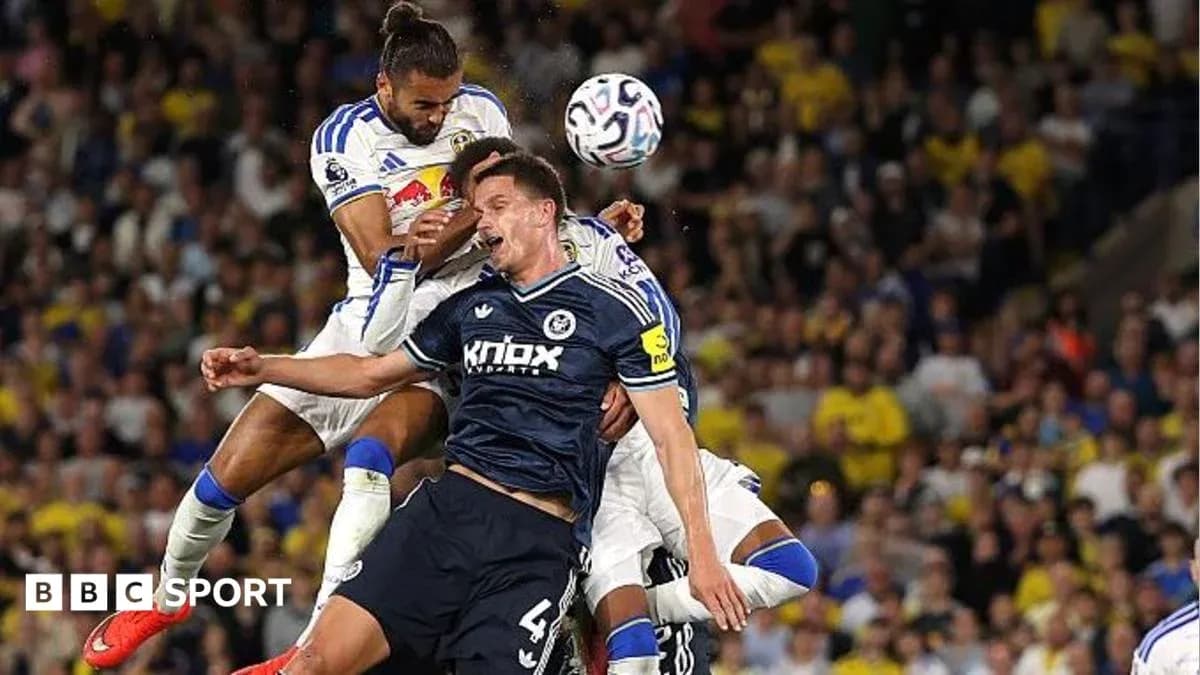
The 5-2 defeat at Manchester United underlined the concern. Ipswich stayed with United in the first half, trading punches, matching the tempo. Then came the restart, a blur of red shirts and missed assignments. Two goals conceded in three chaotic minutes, the game ripped away before Ipswich could steady themselves.
Gary O’Neil didn’t hide from it. He spoke of a lack of “emotional discipline” after United’s second goal was allowed to stand despite Harry Maguire handling the ball in the build-up. The sense of injustice lingered; the response on the pitch did not. Ipswich unravelled.
That cannot happen against Liverpool.
History, and a warning
Liverpool do not just edge this fixture. They dominate it. Ipswich have lost their last four league meetings with the Merseysiders, conceding 17 goals and scoring only once. Their last home league win over Liverpool came 40 years ago. Entire generations of Ipswich fans have grown up without seeing it.
So when the lights go on at Portman Road and the cameras roll, Ipswich’s lavish summer will meet a cold, familiar reality: Liverpool usually dictate what happens here.
The question is whether £186m can bend history.
Iraola’s Liverpool still searching for a spark
On the other bench, there is a rebuild of a different kind.
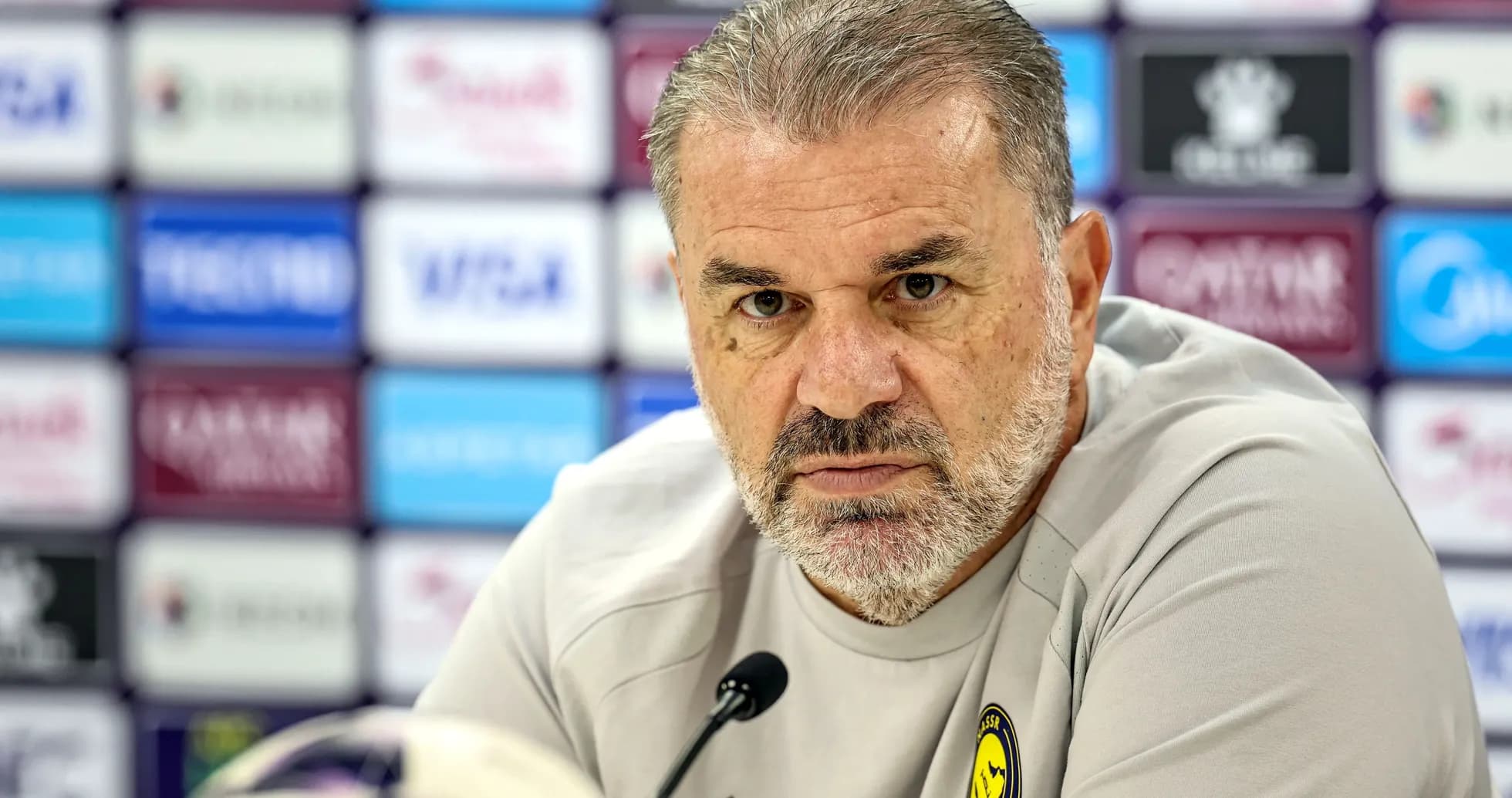
Andoni Iraola has already felt the Premier League’s unforgiving rhythm once. At Bournemouth, he went nine league games without a win at the start of his tenure. He cannot afford a repeat at Liverpool, and he knows it.
His new side have started with a strange consistency. Twice behind, twice level: a 2-2 draw at Newcastle on the opening weekend, then another 2-2 at home to Nottingham Forest. Resilient, yes. Convincing, not yet.
Iraola has said this week that he is happy with Liverpool’s transfer work. The numbers back up the ambition. A net spend of around £200m, the highest in the division. Questions remain, particularly at full-back, where the decision not to strengthen has been picked apart. But across the pitch there is fresh energy, fresh risk.
No signing embodies that more than Bradley Barcola.
Barcola steps into the spotlight
Liverpool did not just buy a winger. They made a statement. Barcola, 23, arrives from Paris St-Germain for an initial £107m, with the fee potentially rising to £123m. He is available to make his Premier League debut on Friday night.
The price tag is brutal. The profile explains it.
Barcola’s breakout came in 2024-25, when he either scored or assisted 39 goals, the ninth-highest total across Europe’s top five leagues. Last season that number dropped to 21, but the underlying picture stayed bright. The volume of chances he created for himself and others kept him in the elite bracket.
Operating mainly off the left, he drives at defenders, not around them. He carries the ball, commits markers, and turns dribbles into shots. No player in Europe’s top five leagues averaged more than two shot-ending carries per 90 minutes last season, except Barcola. That specific trait – picking up the ball, running five metres or more, then pulling the trigger – made him unique.
He also lives where defenders hate to look up and see you: in the box. Barcola averaged nearly nine touches in the opposition area per 90 minutes, ranking seventh out of more than 1,500 eligible players. Only the most relentless penalty-box operators, led by Barcelona’s Lamine Yamal, touched the ball there more often.
For Iraola, that is gold. For Ipswich’s still-settling defence, it is a looming problem.
A night of judgement
So the stage is set.
On one side, a promoted club that has spent like a superpower, trusting recruitment and data to close a chasm in quality. On the other, a European giant reshaped under a new coach, leaning heavily on a £100m winger to ignite a new cycle.
Ipswich need composure where they lost it at Old Trafford. They need their expensive attacking reinforcements to justify the gamble. Above all, they need that old back line to stand up to one of Europe’s most dangerous new wide forwards.
Liverpool, still searching for Iraola’s first win and a sharper defensive edge, arrive knowing they usually leave Portman Road with the points.
Something has to give: the weight of history, or the weight of the money.