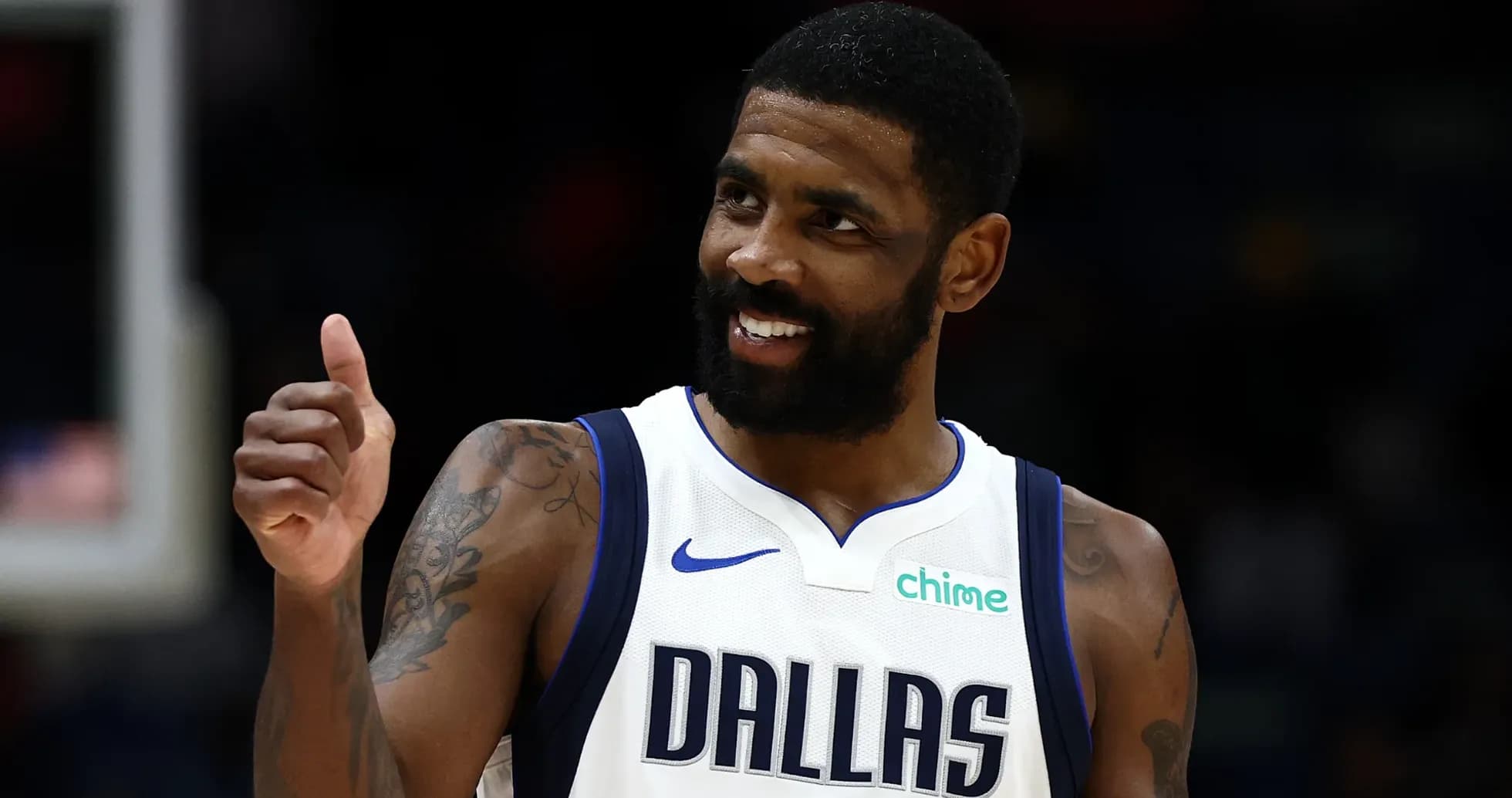
Kyrie Irving Trade Proposal: Houston Rockets and Dallas Mavericks
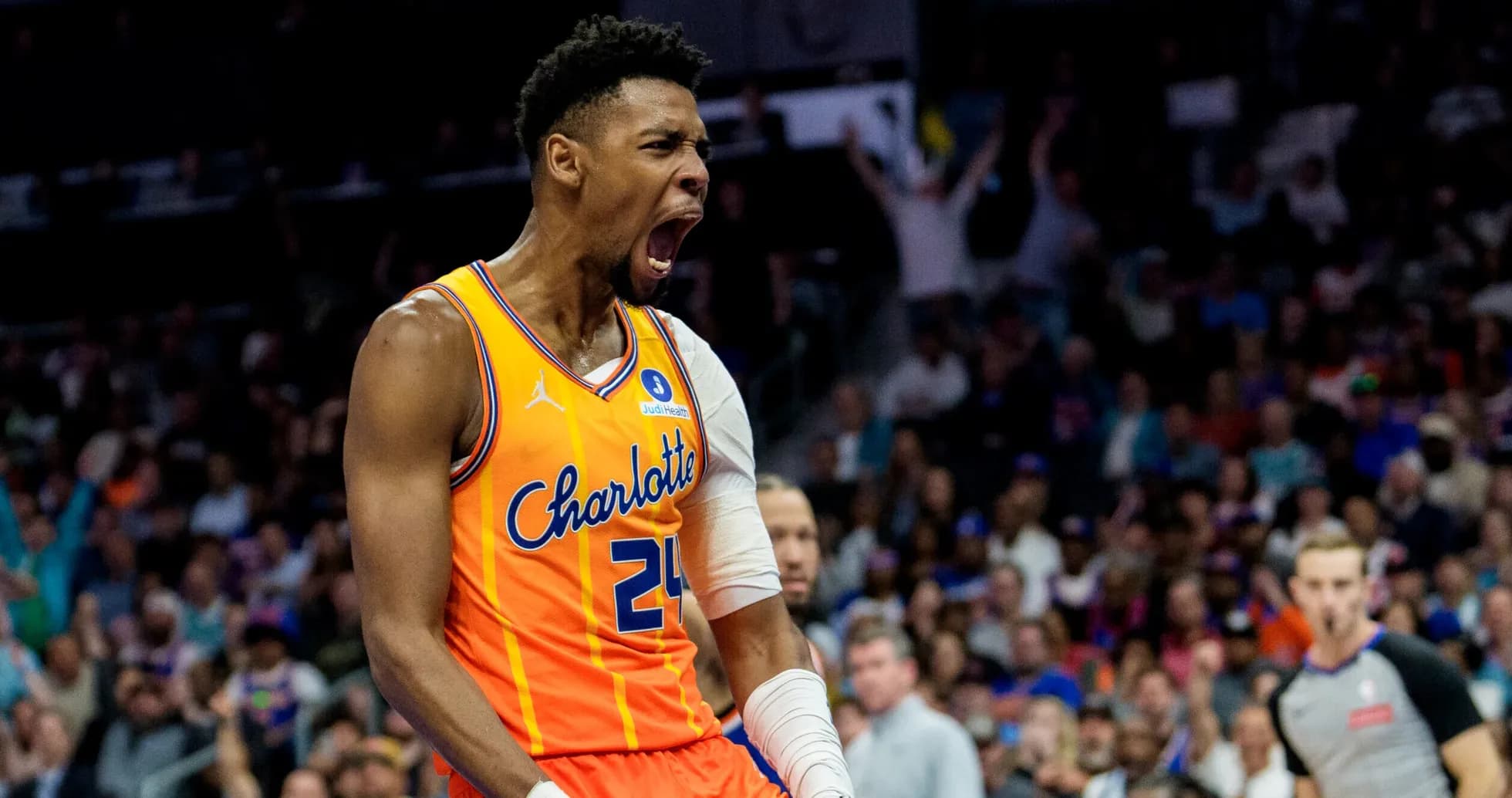
The Houston Rockets spent last season stuck in second gear. They ranked 26th in the league in drives per game, a damning number for a young backcourt built around Amen Thompson and rookie Reed Sheppard, both of whom struggled to consistently puncture defenses off the dribble.
Fred VanVleet’s return will steady the ship. It won’t supercharge it. In a Western Conference loaded with star power and downhill creators, Houston still lacks a true pressure point at the rim.
So the proposal lands on the table: call Dallas. Ask about Kyrie Irving.
A Blockbuster Built on Familiar Faces
The framework is simple:
- Rockets receive: Kyrie Irving
- Mavericks receive: Fred VanVleet, Reed Sheppard (via NTMLE)
On paper, it’s a clean basketball swap. In reality, it’s layered with history, ego, and one last shot at relevance for two aging superstars.
Houston has already built an intriguing core. Alperen Şengun as the offensive hub. Amen Thompson as the rangy, explosive guard. Jabari Smith Jr. and Tari Eason as long, switchable forwards. And, in this scenario, Kevin Durant already in the building as the veteran centerpiece of a new Big 3.
Add Irving to Durant and Şengun, and suddenly the Rockets don’t look like a fun young team anymore. They look like a problem.
Irving remains one of the league’s most gifted half-court weapons, a historically great shot-creator who still bends defenses with his handle and finishing. Houston’s biggest offensive weakness — getting into the paint with purpose — is exactly where he thrives. Every drive from Kyrie pulls defenders in, opens kick-outs, unlocks Şengun’s passing, and gives Durant cleaner looks.
For a franchise trying to jump from promising to dangerous, that’s intoxicating.
Udoka, Brooklyn’s Ghosts, and a Second Chance
There’s another layer here: Ime Udoka.
Udoka was on Steve Nash’s staff in Brooklyn during the Durant-Irving era, watching that superteam wobble under the weight of injuries, chemistry issues, and off-court turbulence. Back then, he didn’t have the final say. Now, in Houston, he does.
Reuniting him with Durant and Irving offers something that Brooklyn never really had: a single, authoritative voice with the power to set the tone and hold stars accountable. If anyone can get those two pulling in the same direction again, it’s a coach with championship standards and no fear of hard conversations.
For Durant and Irving, this kind of move would read like a redemption attempt. Their partnership in Brooklyn ended abruptly and unsatisfyingly. Since then, both have drifted slightly to the league’s periphery — still elite, still feared, but no longer at the center of the title conversation every June.
Houston gives them one more runway. One more chance to prove that, with the right structure and a deeper supporting cast, they can still anchor a contender.
The cost? Reed Sheppard.
Houston would feel that. Sheppard projects as the kind of elite floor-spacing guard every contender covets for a decade. Losing him hurts. But keeping most of the young core intact while adding Irving is exactly the kind of calculated risk teams take when they believe their window is opening now, not three years from now.
If it works, you’re in the mix. If it implodes, you still have Şengun, Thompson, Smith, and Eason as the foundation for whatever comes next.
Dallas’ Dilemma: Kyrie’s Future vs. Long-Term Flexibility
From the Mavericks’ side, this isn’t about nostalgia or redemption. It’s about risk management.
Irving holds a $42 million player option next season and is reportedly seeking a lucrative long-term deal to close out his career in Dallas. Locking in that kind of money for a 34-year-old guard with a recent ACL injury and a long history of availability questions is a massive bet.
Yes, Kyrie still plays at an All-NBA level when he’s on the floor. But Dallas has to weigh that against its responsibility to build around a young franchise cornerstone for the long haul. One misjudged contract can choke off flexibility for years.
This is where VanVleet and Sheppard become attractive.
VanVleet arrives on an expiring $25 million salary — essentially a high-level rental. He brings championship experience, on-ball toughness, and the ability to organize an offense without demanding the same volume of touches as Irving. If the fit isn’t perfect, Dallas can flip him again at the trade deadline to a contender desperate for backcourt stability. No long-term strings attached.
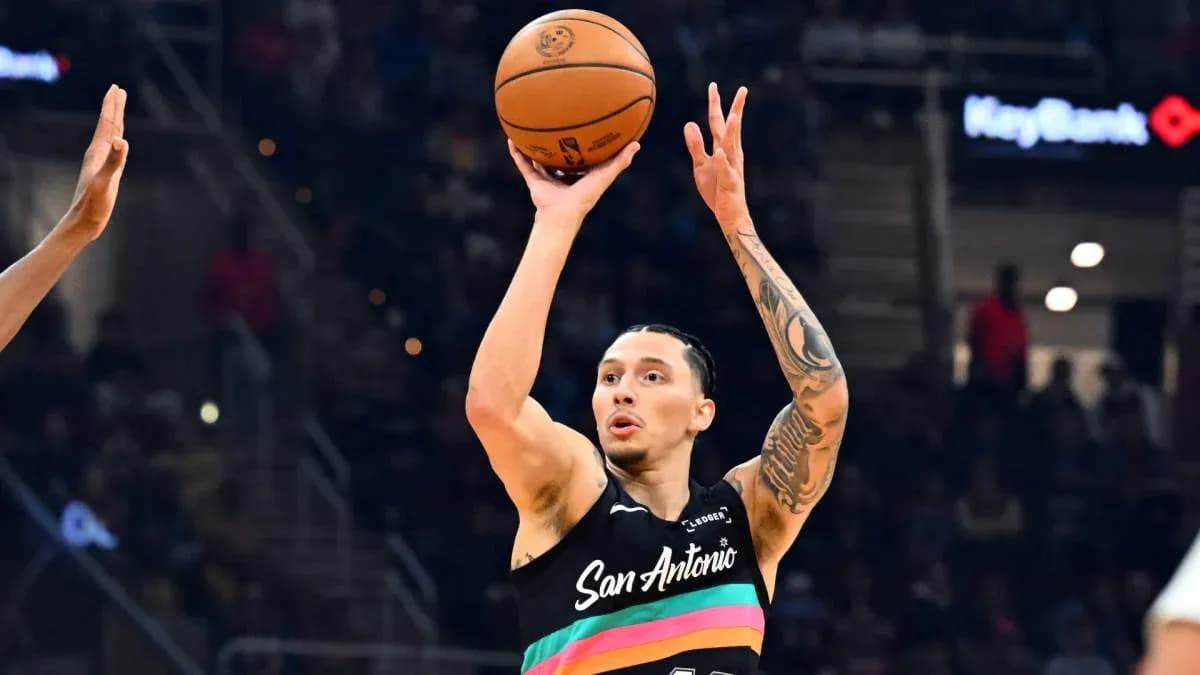
Sheppard is the upside swing. A potential shooting guard of the future, on a cheap deal, with the kind of spacing and off-ball movement that fits cleanly next to a heliocentric star. He doesn’t need the ball to impact the game. He just needs space, and Dallas can give him that.
For a front office wary of tying itself to Irving into his late 30s, this trade offers an exit ramp that doesn’t feel like a surrender. It’s a reset.
One Trade, Two Timelines
Strip away the noise, and the logic is clear.
Houston leans into urgency. It bets on star power, on Udoka’s command, on Durant and Irving finding common ground one more time. It sacrifices a promising young guard to chase something much bigger: relevance in May and June.
Dallas leans into flexibility. It sidesteps a potentially risky long-term deal, adds a respected veteran on a manageable contract, and takes a swing on a young guard who might grow alongside its core.
It’s not a safe idea for either side. That’s the point.
If the Rockets truly believe their Big 3 can carry them into the heart of the Western Conference fight, this is the kind of move that tests that belief. And if the Mavericks truly believe in protecting their future around their young star, this is the kind of decision that defines how bold they’re willing to be.
The question isn’t whether this trade is tidy on paper. It’s which franchise is ready to live with the consequences.