Lincoln City’s Iron Curtain vs Southampton’s Chaos Machine
More than six decades have passed since Lincoln City and Southampton last shared a league pitch. March 1961: a different era, different divisions, same fixture. Southampton won 3-0 that day in the second tier, a routine victory that helped cement a long, lopsided history between the clubs.
That history still leans heavily in the Saints’ favour. Across all competitions, Southampton have lost just one of their last 16 meetings with Lincoln (10 wins, five draws), that solitary defeat a 3-2 reverse in December 1960. For generations, this has been a fixture in which the south-coast side usually walk away with the points.
This time, the story feels very different.
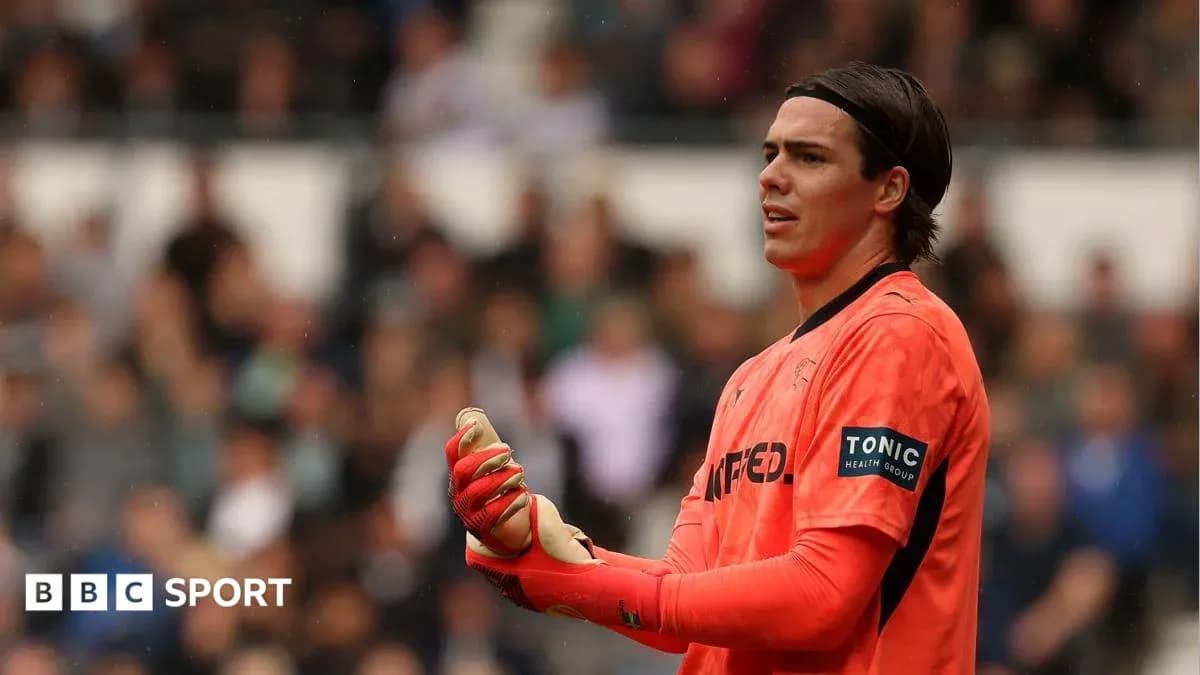
Lincoln arrive as one of the most stubborn outfits in the country. In 2026, no team across England’s top four tiers has kept more clean sheets than the Imps. Thirteen shutouts and counting, including each of their last two games in the Championship, tell the tale of a side built on structure, discipline, and a goalkeeper who expects to leave with a clean shirt.
Their defensive record is not a quirk of the calendar. It’s an identity. Lines stay compact, distances tight, risks minimal. Lincoln do not blow teams away; they suffocate them.
Southampton, by contrast, live at the other extreme. Every match is a rollercoaster. They have scored 19 goals and conceded 11 across their last eight league games, finding the net and being breached in every single one of them. The last time they strung together a longer run of such high-event encounters was back in November 2009, when they went 10 in a row in League One with goals at both ends.
They play open, expansive football, and it shows on the scoreboard. When Southampton step onto the pitch, something happens. Often a lot of somethings.
So the clash writes its own script: Lincoln’s iron curtain against Southampton’s chaos machine. One side thrives on control, the other on volatility. One has turned clean sheets into a habit, the other into a luxury.
History leans one way. Recent form pulls the other. The question now is simple: does the weight of the past hold, or does Lincoln’s new defensive steel finally bend the story in a different direction?