Lionel Messi's Bold Move into Club Ownership with Eldense
Lionel Messi is preparing a new kind of dribble through Spanish football – this time in a suit, not in boots.
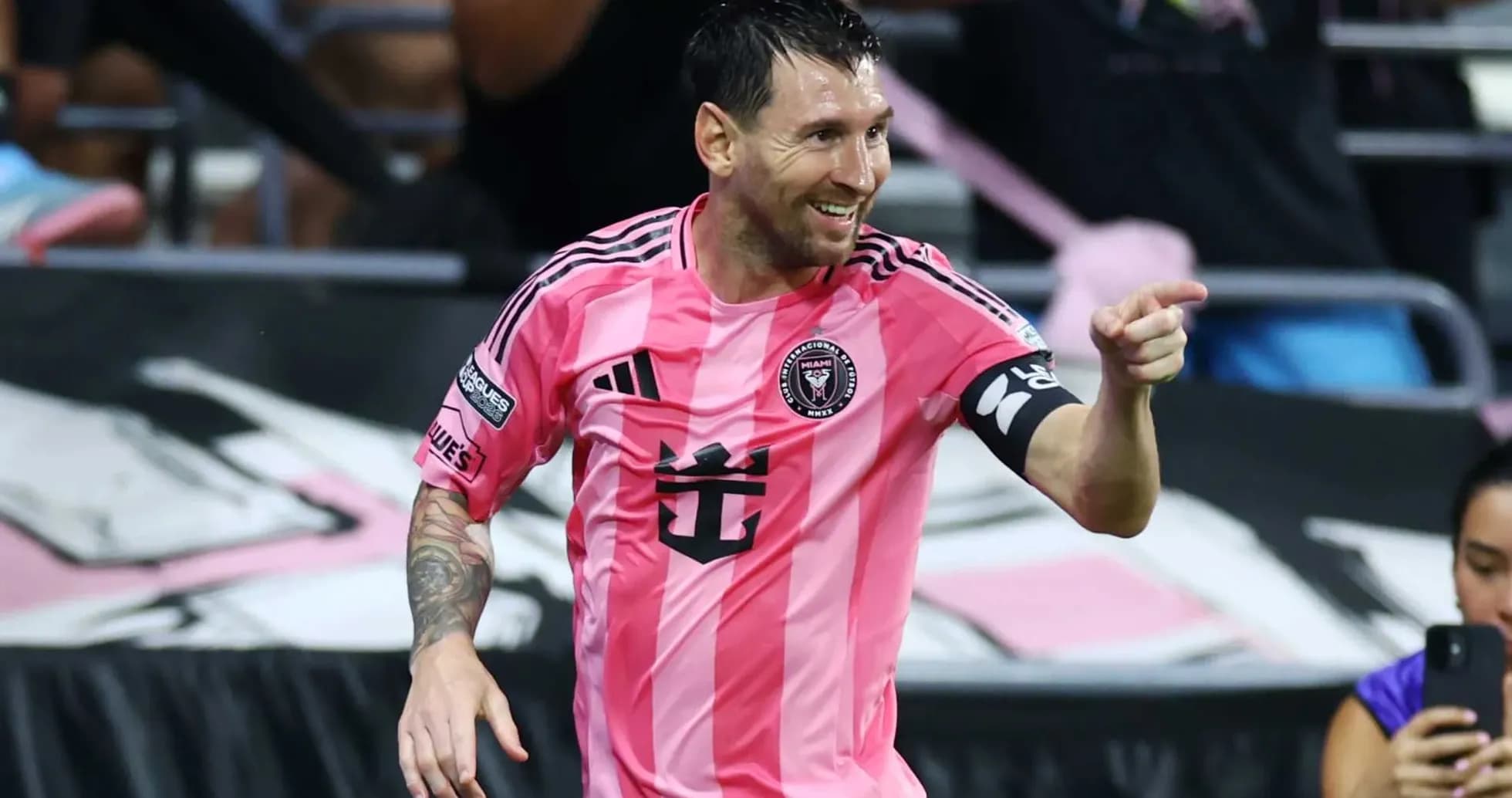
According to a report in Spanish daily Marca on Tuesday, the Argentine icon has reached a preliminary agreement to buy Eldense, a club newly promoted to Spain’s second division. If completed, the deal would hand Messi full control of the Alicante‑province side and deepen his growing footprint in the business of the game.
From Cornellà to Elda: a new map of Messi’s Spain
This is not a one‑off venture. Earlier this year, Messi moved into Spanish club ownership by acquiring Cornellà, a third‑division outfit based in Catalonia. Eldense would be the next step, and a bolder one: a club already in the professional ranks, playing in LaLiga’s second tier.
The structure is clear. Messi would take 100% of the shares, with no third‑party partners involved. No consortiums, no shadow investors. Just the most famous No. 10 of his generation putting his name – and money – directly on the line.
Behind it sits a straightforward idea: invest his legacy back into football itself. Not in glossy superclubs, but in projects that can grow, clubs that can be reshaped. Eldense, based in Elda in the province of Alicante, offers exactly that: a modest institution with a fresh promotion, a restless fanbase, and a region that lives the sport intensely.
The geography matters. Elda lies not far from Catalonia, where Messi is expected to settle once he ends his playing days at Inter Miami. The map of his future is starting to form: a life in Catalonia, and a network of clubs in the Spanish pyramid bearing his imprint.
A club in flux, on and off the pitch
Eldense is no stranger to change. The club already passed into new hands in October 2015, when an international investment group with Colombian roots, led by businessman Juan Carlos Trujillo, bought it from Pascual Pérez. That move was meant to modernise and stabilise the institution.
The rumour mill has been spinning again in recent months. Argentine businessman Ricardo Beni had been strongly linked with a takeover bid reported at around 12 million euros. His name circled around the club, hinting at a new era that never quite materialised.
Now Messi’s name has crashed into that conversation with far greater force. The prospect of the game’s modern standard‑bearer taking charge of a second‑division side has immediately shifted the narrative from speculation to global spotlight.
Legal checks, financial scrutiny – and a ticking clock
For all the noise, the deal is not yet done. The agreement remains preliminary, and several formal steps stand between intention and reality.
Completion is expected within the next few days, once the final legal and contractual work is finished. Financial due diligence is underway, a necessary deep dive into Eldense’s accounts and obligations before any signature becomes permanent.
There is also a political layer. The Spanish National Sports Council must approve the operation, as is standard for this kind of takeover in the professional game. Only after that green light can Messi officially add Eldense to his portfolio.
If everything aligns, the club could soon move from being an interesting investment story to a headline symbol of a new era: Lionel Messi, club owner in Spanish professional football.
Crisis in the dugout
While the boardroom prepares for a possible revolution, the pitch tells a harsher story.
Eldense have endured a grim start to their second‑division campaign. Four league matches, two points, no wins. The optimism of promotion has given way to anxiety and early questions about survival.
The pressure has already claimed a victim. Last Monday, the club sacked coach Claudio Barragán, making him the first managerial casualty of the second division season. The bench is empty, the team is drifting, and a replacement has yet to be appointed.
That vacuum only sharpens the stakes. Any new ownership would walk straight into a sporting emergency: a squad in need of direction, a dressing room searching for leadership, and a fanbase demanding signs that promotion will not be wasted.
For Messi, if he completes the takeover, Eldense will not be a quiet, background investment. It will be an immediate test of how his vision translates from the pitch to the boardroom, from deciding games to deciding futures.
The greatest player of his era is used to changing matches with a touch. Now the question is whether he can change a club with a signature.